
1969-S Doubled Die Obverse WDDO-001
Error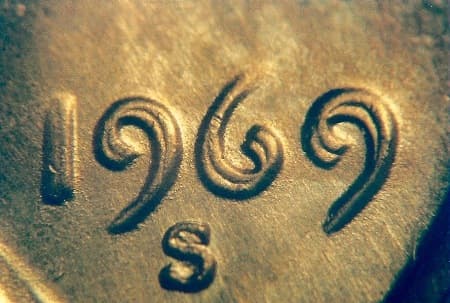
Description
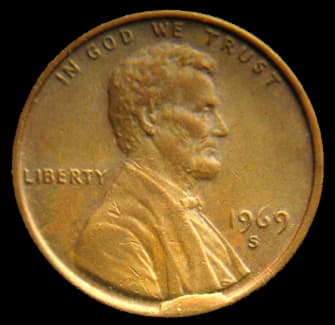
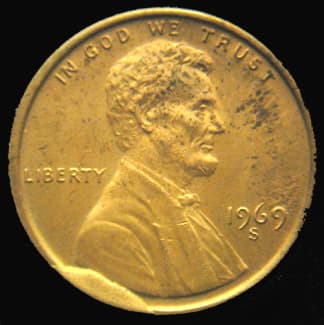
Few coins in American numismatics command the reverence and notoriety of the 1969-S Lincoln Memorial cent WDDO-001 — a doubled die obverse so dramatic that it ranks alongside the 1955 doubled die as one of the most famous error coins ever struck. Designated WDDO-001 by the Wexler team, this variety displays a very strong Class I counterclockwise (CCW) spread on the letters of LIBERTY, IN GOD WE TRUST, and the date, as well as on Lincoln's jacket, lapel, and vest. The doubling is unmistakable to the naked eye — Class I rotated hub doubling where the working hub turned significantly between impressions, producing bold secondary images across virtually the entire obverse. The history surrounding this variety is unprecedented. When specimens first surfaced, their dramatic doubling coincided with an active Secret Service investigation into counterfeit 1969 P-mint doubled die cents being manufactured outside the Mint. The Secret Service and United States Mint initially declared the 1969-S doubled die cents counterfeit, confiscating specimens from owners as part of the investigation and prosecution. Ultimately the coins were deemed genuine and returned, but not before five of the original specimens were destroyed — permanently reducing the known population. Obverse die markers include a short die scratch running east from the upper right T of LIBERTY. On the reverse, strong die scratches run ENE from the top of the T in UNITED; a die scratch curves NNW from the upper right N in CENT; X-shaped die scratches appear between the E and P of EPU; and die scratches run ESE from the bottoms of the R and I in AMERICA, with numerous other die scratches throughout the reverse. Cross-referenced as CONECA 1-O-I, Cherrypickers' Guide FS-01-1969S-101 (028), Breen #2252, Crawford CDDO-001, and Coppercoins 1969S-1DO-001. Collectors must be aware that numerous 1969-S cents show mechanical doubling — flat, shelf-like secondary images affecting date and mint mark simultaneously — frequently mistaken for this variety. When both date and mint mark show identical doubling, it is almost certainly mechanical, because the mint mark was hand-punched into the working die after all other elements were hubbed. The genuine WDDO-001 shows hub doubling on design elements but not on the separately-applied mint mark. Specimens were recently found in original bank-wrapped rolls, proving discovery remains possible with systematic effort and luck.
Attribution History
- Discovered by Stewart Blay Cross References: CONECA: 1-O-I, Cherrypickers’ Guide: FS-01-1969S-101 (028), Breen: #2252, Crawford: CDDO-001, Coppercoins: 1969S-1DO-001 Comments: This doubled die variety was the subject of a great deal of controversy when it was first discovered. This was due to the fact that there was an attempt at that time to produce a counterfeit 1969 P-Mint doubled die variety. As part of the investigation into the counterfeiting effort and the subsequent prosecution of the case, the genuine 1969-S doubled die cents were initially confiscated by the Secret Service and the United States Mint and were also declared to be counterfeit. Ultimatey the 1969-S doubled die cents were deemed to be genuine and returned to their owners, but not before five of the original specimens were destroyed. For much more information on this amazing story we recommend that you read the full details in the "Hot Topics" section of The Authoritative Reference on Lincoln Cents - Second Edition which is available for sale elsewhere on this website. Collectors also need to be aware that numerous 1969-S Lincoln cents have been found that show the common form of doubling known as mechanical doubling. These frequently confuse collectors into thinking that they have the major doubled die variety. Mechanical doubling is characterized by flat, shelf-like secondary images that usually affect the date and mint mark. When both the date and the mint mark show the same type of doubling, you can be relatively sure that you do not have the major doubled die variety. During this period of time the mint mark was hand punched into the working die after all of the other design elements were already in place. For more information on mechanical doubling and to see an example of mechanical doubling on a 1969-S cent we recommend that you go to the Mechanical Doubling doubling page of this website. Specimens of the major 1969-S doubled die were recently found in some original bank-wrapped rolls of 1969-S cents proving that it is still possible to find specimens of this variety with a lot of searching and a little bit of luck.
- CONECA: 1-O-I, Cherrypickers’ Guide: FS-01-1969S-101 (028), Breen: #2252, Crawford: CDDO-001, Coppercoins: 1969S-1DO-001 Comments: This doubled die variety was the subject of a great deal of controversy when it was first discovered. This was due to the fact that there was an attempt at that time to produce a counterfeit 1969 P-Mint doubled die variety. As part of the investigation into the counterfeiting effort and the subsequent prosecution of the case, the genuine 1969-S doubled die cents were initially confiscated by the Secret Service and the United States Mint and were also declared to be counterfeit. Ultimatey the 1969-S doubled die cents were deemed to be genuine and returned to their owners, but not before five of the original specimens were destroyed. For much more information on this amazing story we recommend that you read the full details in the "Hot Topics" section of The Authoritative Reference on Lincoln Cents - Second Edition which is available for sale elsewhere on this website. Collectors also need to be aware that numerous 1969-S Lincoln cents have been found that show the common form of doubling known as mechanical doubling. These frequently confuse collectors into thinking that they have the major doubled die variety. Mechanical doubling is characterized by flat, shelf-like secondary images that usually affect the date and mint mark. When both the date and the mint mark show the same type of doubling, you can be relatively sure that you do not have the major doubled die variety. During this period of time the mint mark was hand punched into the working die after all of the other design elements were already in place. For more information on mechanical doubling and to see an example of mechanical doubling on a 1969-S cent we recommend that you go to the Mechanical Doubling doubling page of this website. Specimens of the major 1969-S doubled die were recently found in some original bank-wrapped rolls of 1969-S cents proving that it is still possible to find specimens of this variety with a lot of searching and a little bit of luck.; Wexler Variety ID: 1969-S 1¢ WDDO-001
- Expert attribution by Wexler Team
External References
Community & Reference
Related Errors
More Doubled Die Obverse Errors
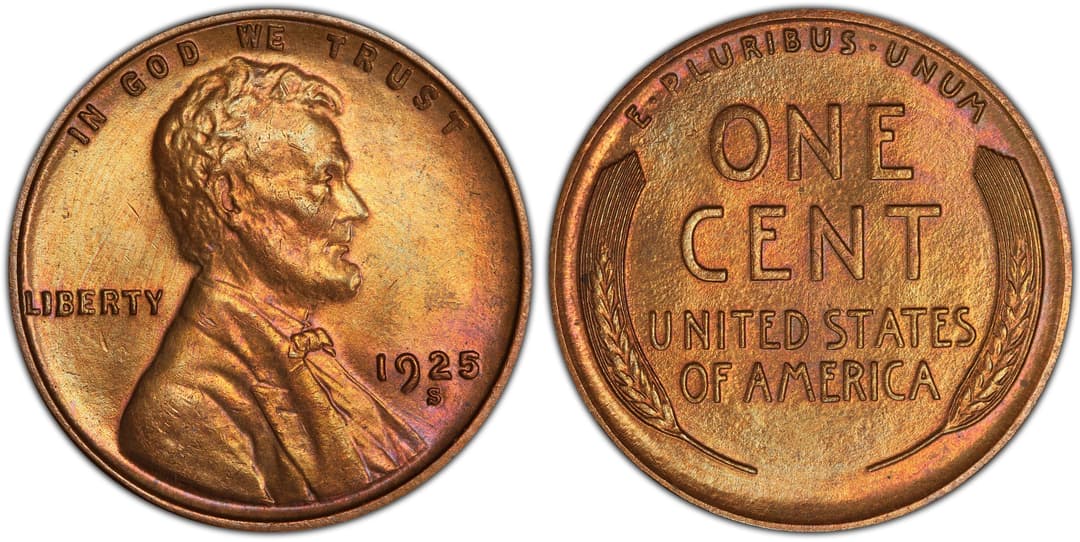
1925-S Doubled Die Obverse DDO-001
Doubled Die Obverse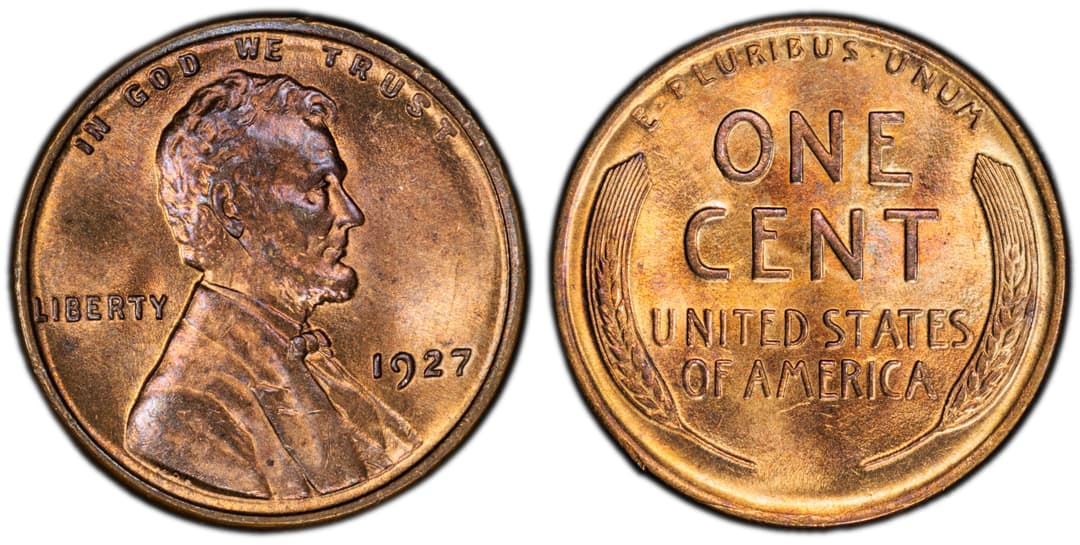
1927 Doubled Die Obverse DDO-001
Doubled Die Obverse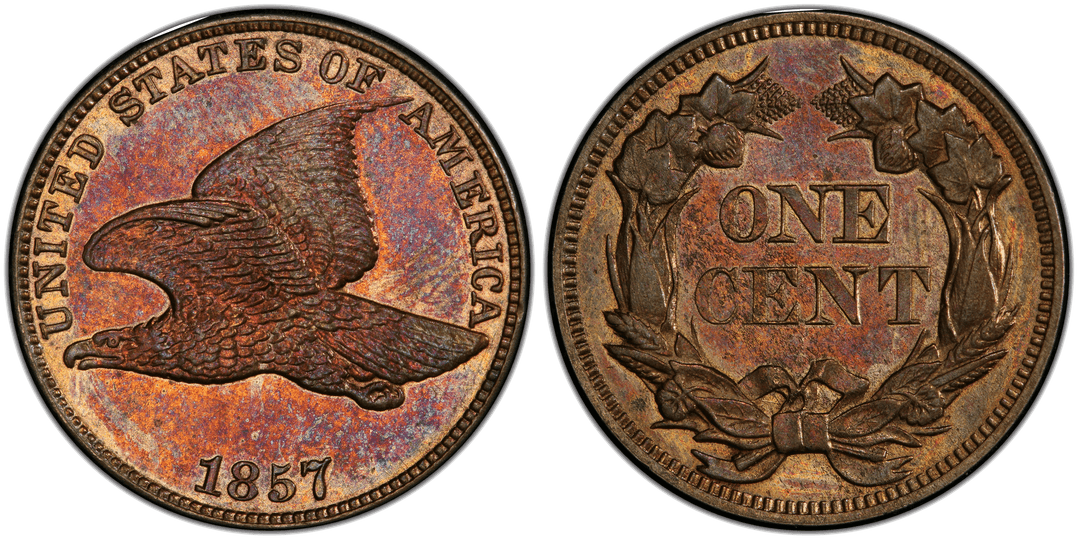
1857 Proof Flying Eagle Cent Doubled Die Obverse FS-401 Snow-5
Doubled Die Obverse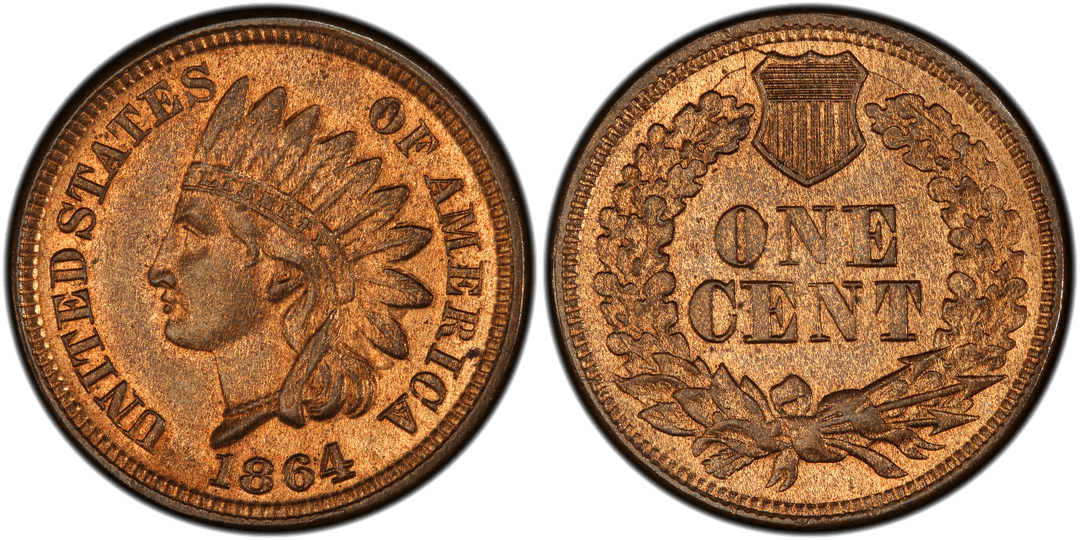
1864 Indian Head Cent (Bronze No L) Doubled Die Obverse FS-1101 Snow-4
Doubled Die Obverse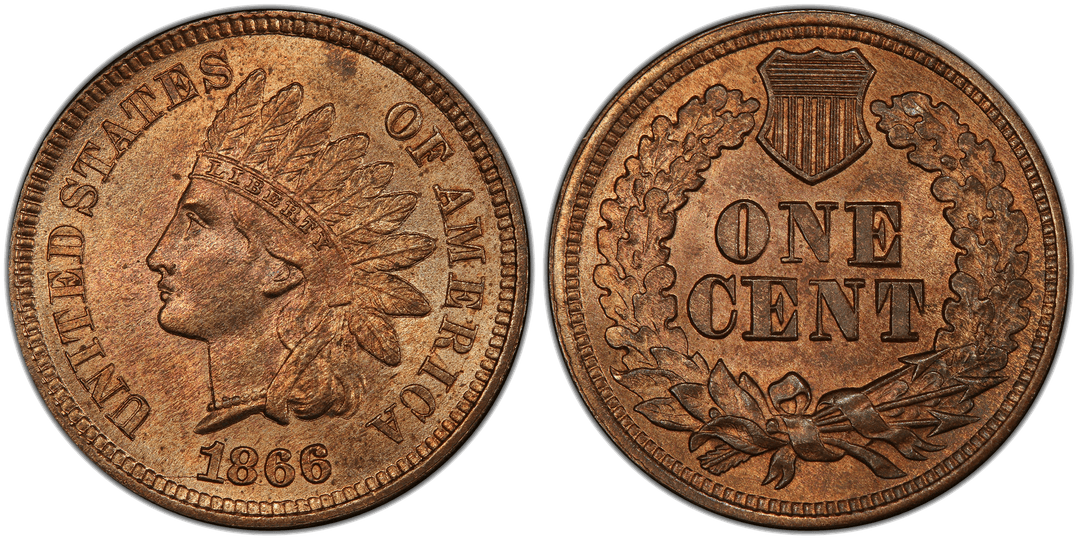
1866 Indian Head Cent Doubled Die Obverse FS-101 Snow-1
Doubled Die ObverseCollector Essentials
Tools for examining and preserving error coins and die varieties.
10x-20x Jeweler's Loupe
Essential for examining die varieties, doubled dies, and RPMs
Cherry Picker's Guide
The definitive reference for U.S. error coins and die varieties
2x2 Coin Flips & Holders
Protect and organize your finds with archival-quality holders
USB Digital Microscope
Capture detailed images for documentation and community submissions
As an Amazon Associate, NumisDex earns from qualifying purchases.