
1900-P VAM-3
Error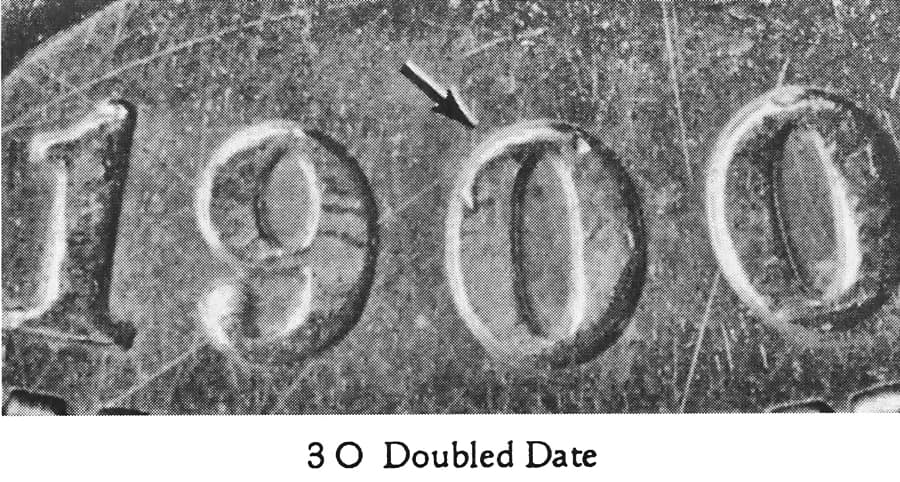
Description
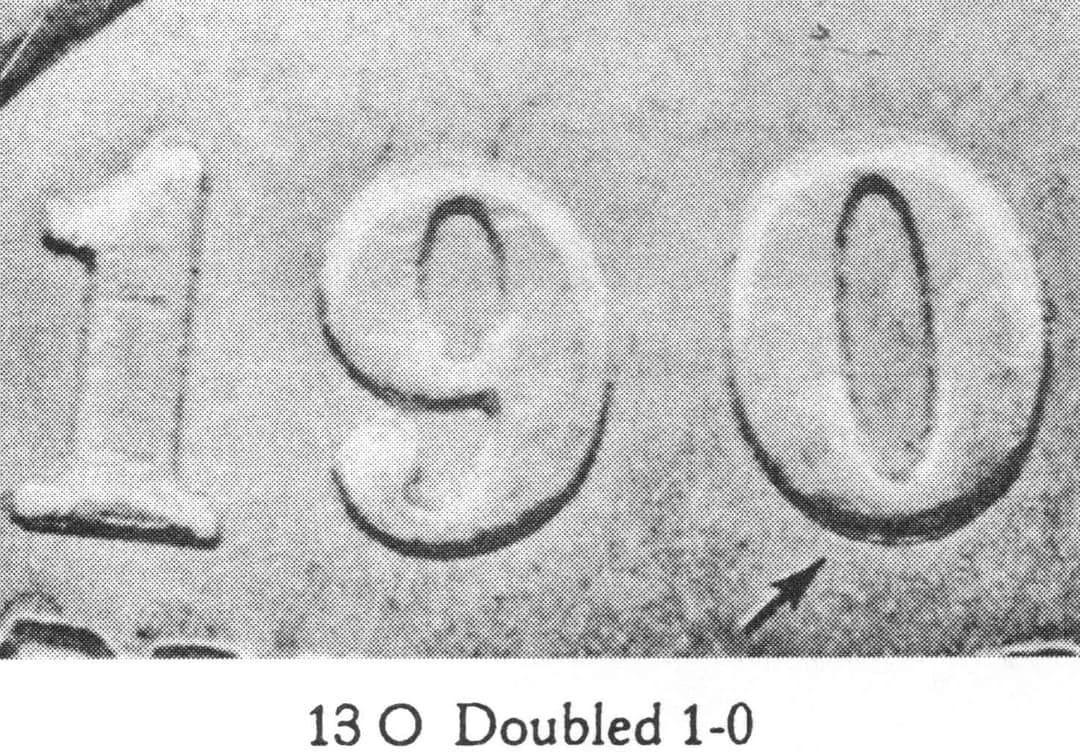
Originally discovered by George Mallis in January 1968, VAM-3 is classified as III2 2, C3a (Doubled Date), with all digits reportedly doubled to ten o'clock and a normal C3 type reverse. However, this listing carries an important caveat: the apparent doubling at ten o'clock may actually be strike doubling, also known as machine doubling or die bounce, which would render this VAM obsolete. Strike doubling is caused by the die bouncing during the striking process and is considered mechanical damage rather than a true die variety. Genuine hub doubling occurs when a die receives multiple impressions from the hub during manufacture, producing raised, shelf-like doubling. Machine doubling, by contrast, creates flat, shelf-less displacement. This distinction is critical in die variety attribution and illustrates how early VAM discoveries sometimes require re-evaluation as diagnostic techniques improve. Collectors should examine specimens carefully for the characteristics that distinguish true hub doubling from strike artifacts.
External References
Community & Reference
Related Errors
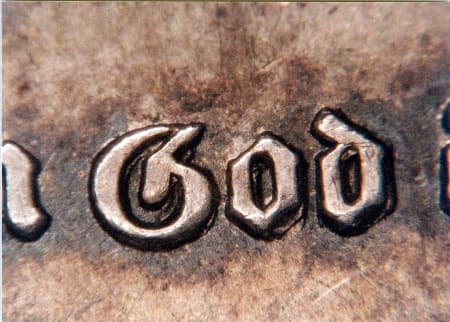
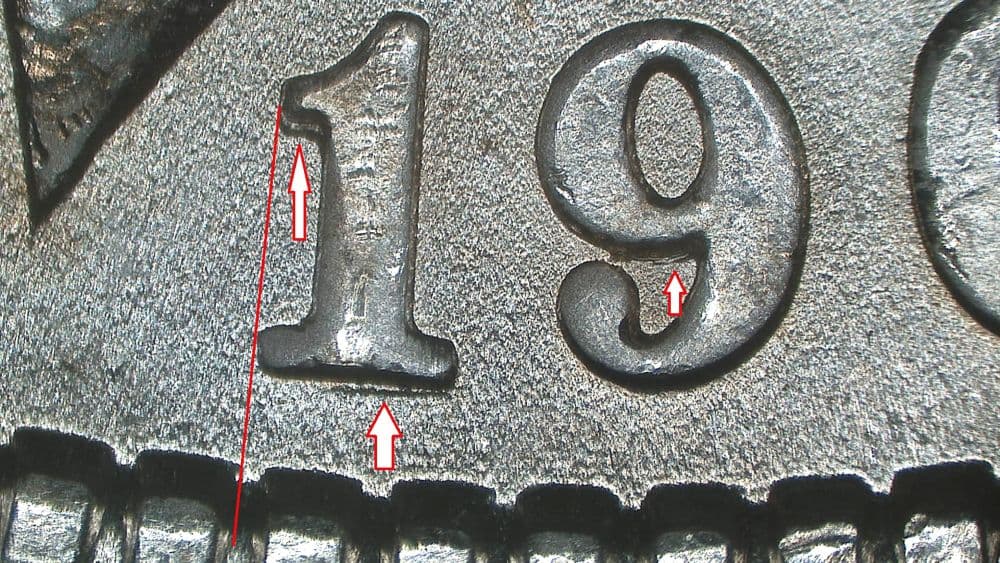

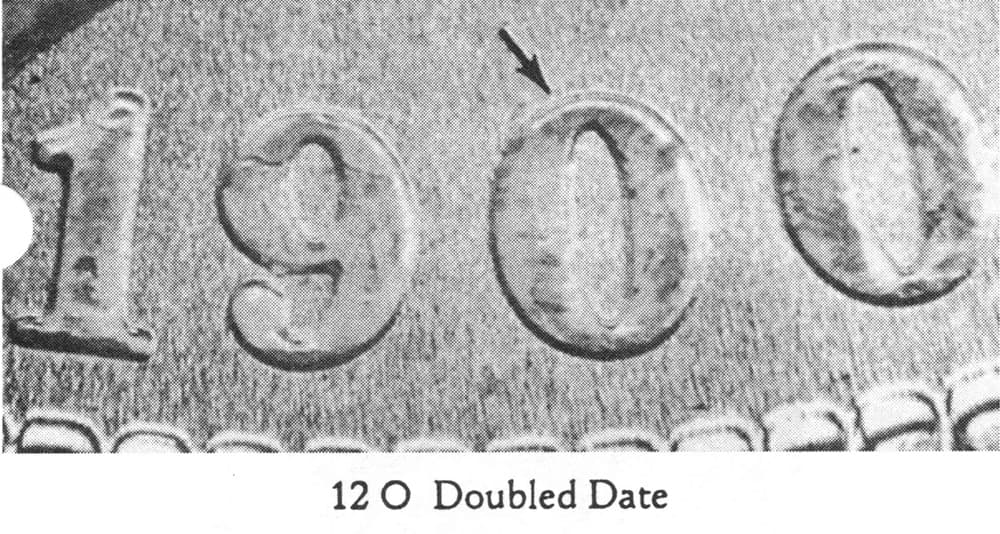
More VAM Variety Errors


Collector Essentials
Tools for examining and preserving error coins and die varieties.
10x-20x Jeweler's Loupe
Essential for examining die varieties, doubled dies, and RPMs
Cherry Picker's Guide
The definitive reference for U.S. error coins and die varieties
2x2 Coin Flips & Holders
Protect and organize your finds with archival-quality holders
USB Digital Microscope
Capture detailed images for documentation and community submissions
As an Amazon Associate, NumisDex earns from qualifying purchases.