
1864 Indian Head Cent (Copper Nickel) Pre-Cud Reverse (5 to 7 o'clock)
Error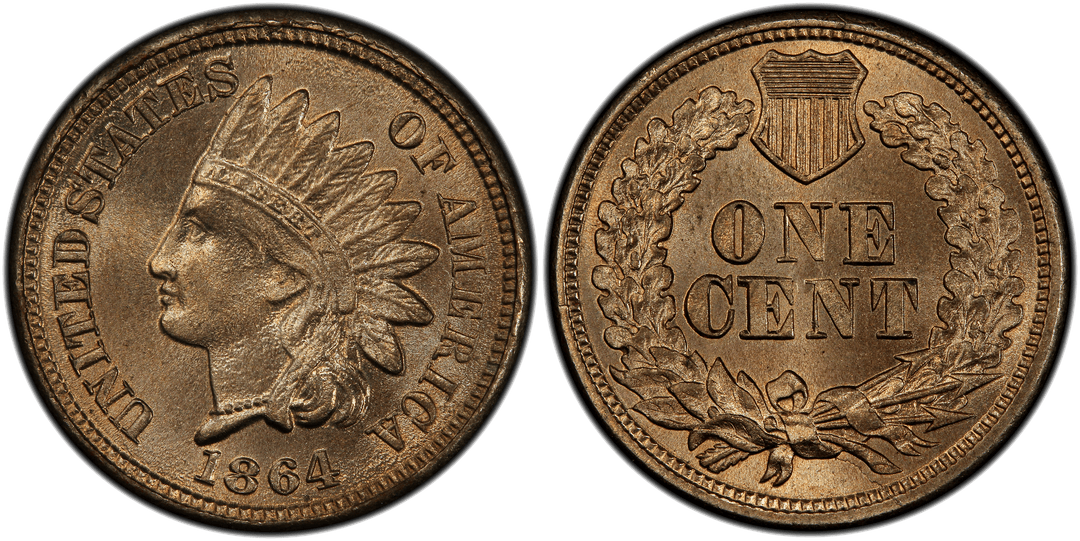
Community Voting
This listing needs 10.0 weighted votes to advance to community review.
Description
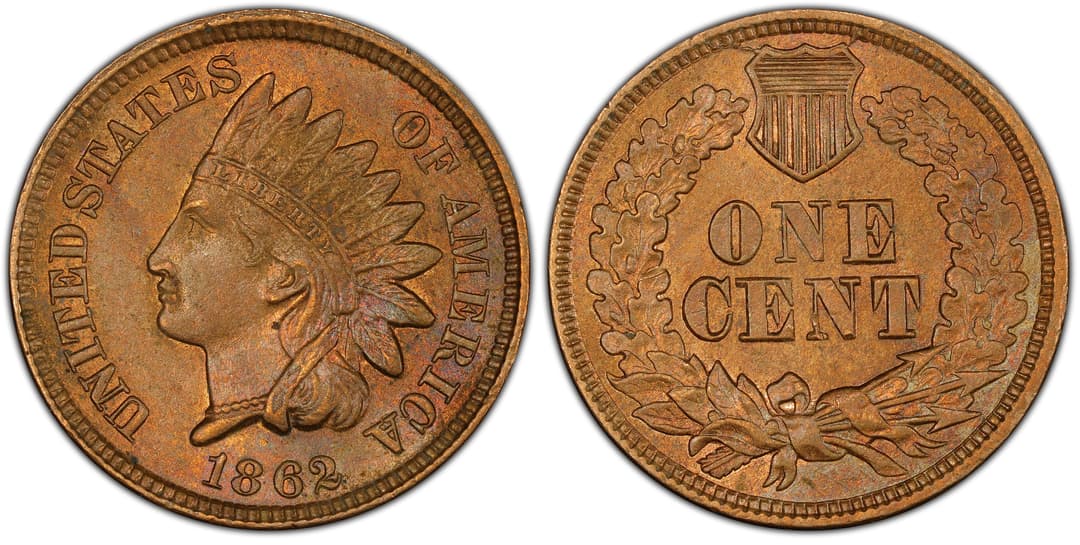
Spanning the lower reverse from approximately 5 o'clock to 7 o'clock, this pre-cud die crack on the 1864 copper-nickel Indian Head Cent captures an advanced stage of die deterioration frozen just before catastrophic failure. A pre-cud represents the penultimate stage in a die's structural collapse at the rim — the crack system has developed to the point where a die fragment is nearly isolated but has not yet separated to create the blank, featureless raised area that characterizes a full cud. The 5-to-7 o'clock position places this crack along the bottom of the reverse, traversing the lower portion of the wreath and the rim area below the denomination inscription. The 1864 copper-nickel Indian Head Cent holds particular numismatic significance as it represents the final year of the original copper-nickel composition for the denomination. Mid-year in 1864, the composition was changed from the thicker 88% copper and 12% nickel alloy (weighing 4.67 grams with a 19.05 mm diameter) to a thinner bronze planchet of 95% copper, 5% tin and zinc at 3.11 grams — both compositions sharing the same diameter but differing substantially in weight and thickness. This compositional transition, driven by wartime metal shortages and the practical difficulties of striking the harder copper-nickel alloy, means the 1864 copper-nickel issue was produced in limited quantities before the changeover. The Indian Head design, created by James Barber Longacre, featured Liberty wearing a Native American feathered headdress on the obverse and a wreath encircling the denomination on the reverse. The copper-nickel alloy's greater hardness compared to bronze may have contributed to increased die stress and faster die deterioration, potentially explaining the development of this substantial rim crack system that extended across a sixty-degree arc of the reverse die.
Community & Reference
Related Errors

1864 Indian Head Cent (Copper Nickel) Die Clash (Reverse)
Die Clash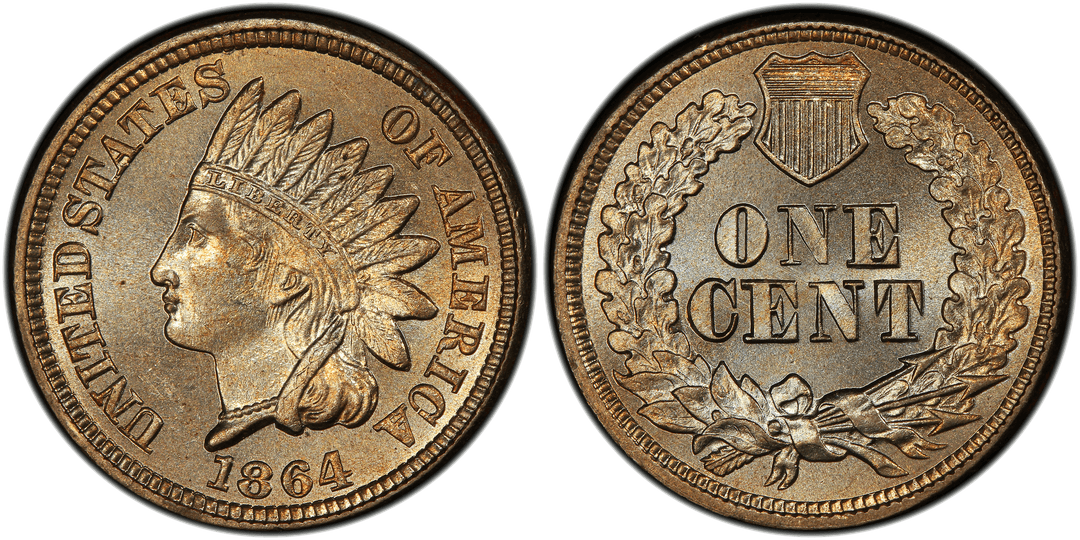
1864 Indian Head Cent (Copper Nickel) Polished Die FS-401 Snow-5
Die Polishing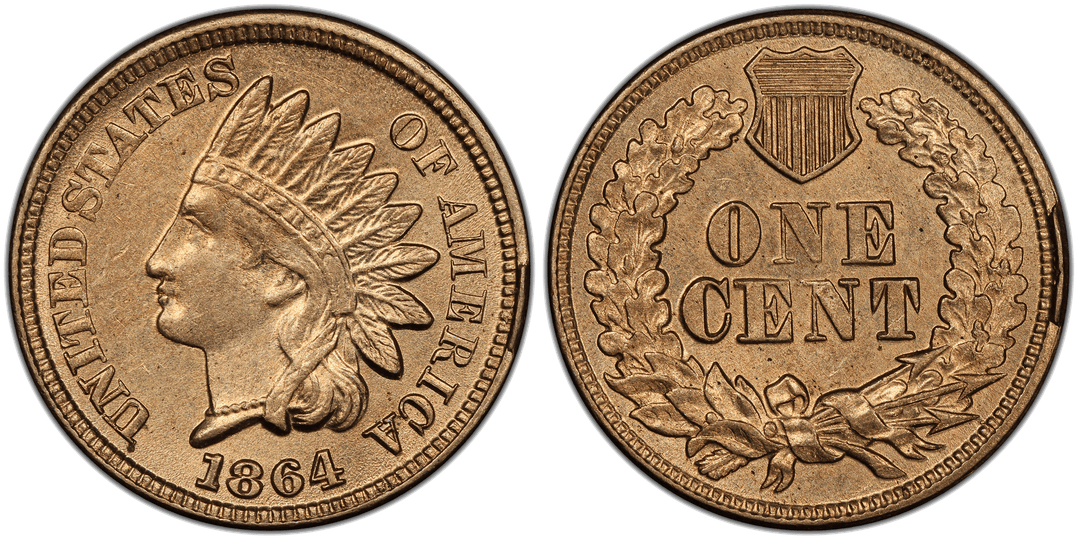
1864 Indian Head Cent (Copper Nickel) Rim Cud (Obverse and Reverse, 3 o'clock)
Cud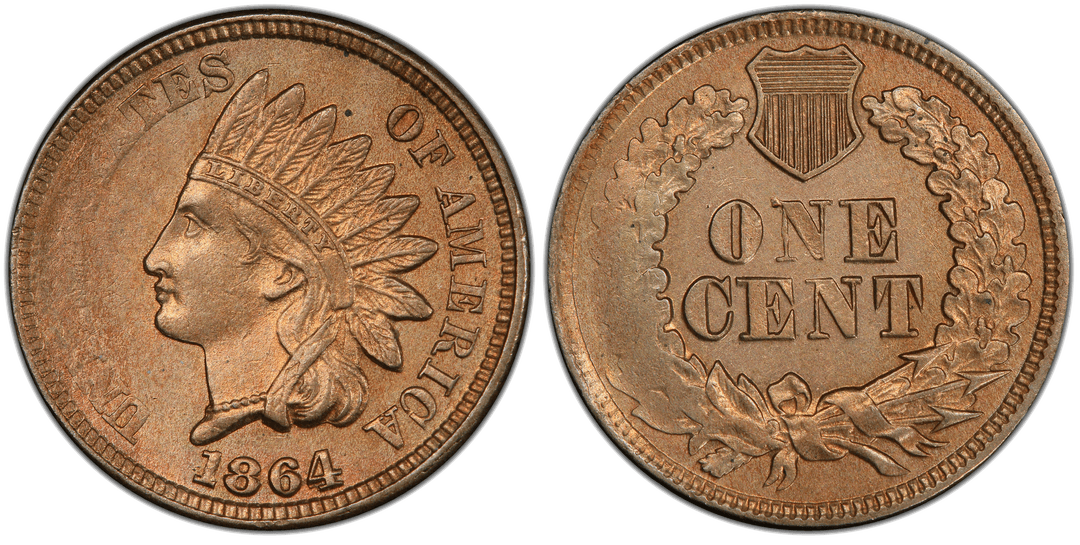
1864 Indian Head Cent (Copper Nickel) Tapered Planchet
Tapered Planchet
CU-1c-1864-01R(CN) Cud
CudMore Pre-Cud Errors


Collector Essentials
Tools for examining and preserving error coins and die varieties.
10x-20x Jeweler's Loupe
Essential for examining die varieties, doubled dies, and RPMs
Cherry Picker's Guide
The definitive reference for U.S. error coins and die varieties
2x2 Coin Flips & Holders
Protect and organize your finds with archival-quality holders
USB Digital Microscope
Capture detailed images for documentation and community submissions
As an Amazon Associate, NumisDex earns from qualifying purchases.