
SD-1c-1798-01R Split Die
Error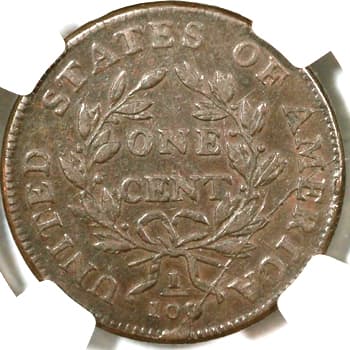
Description
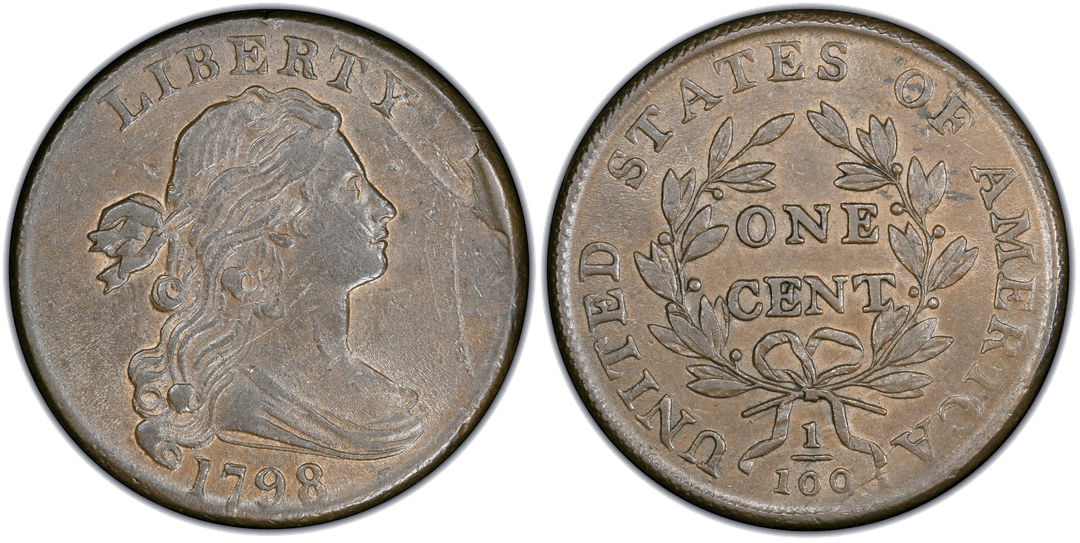
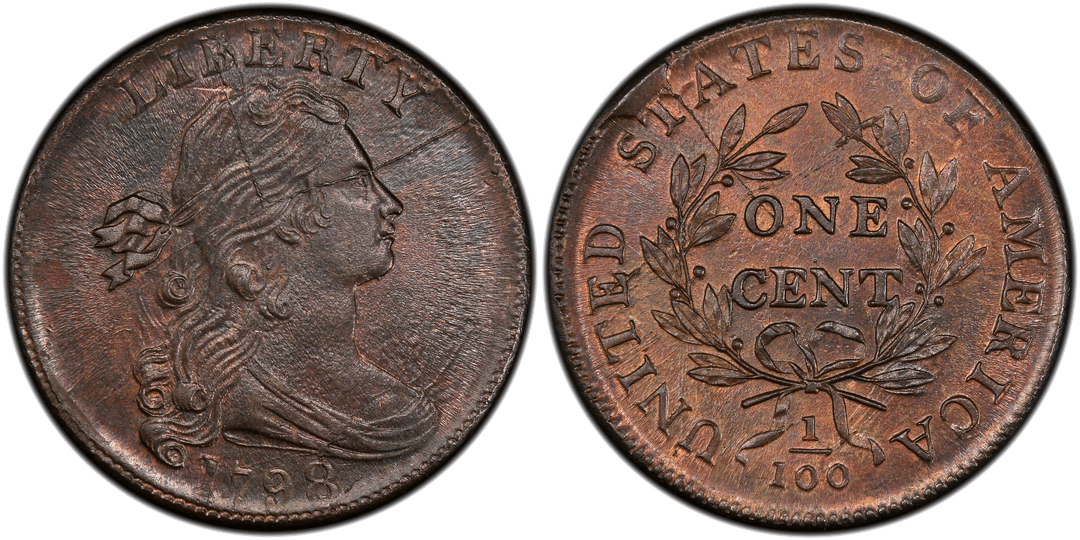
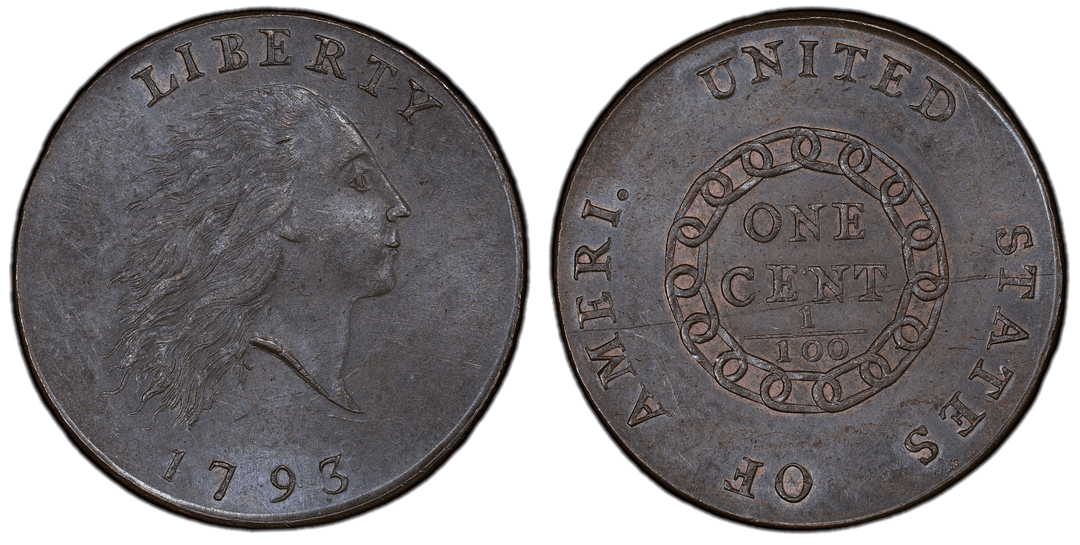
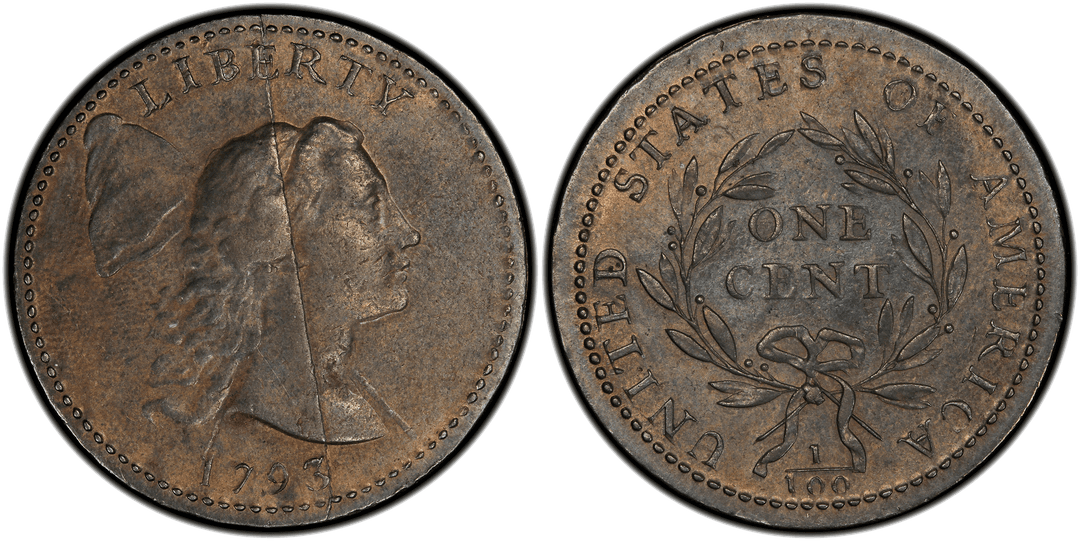
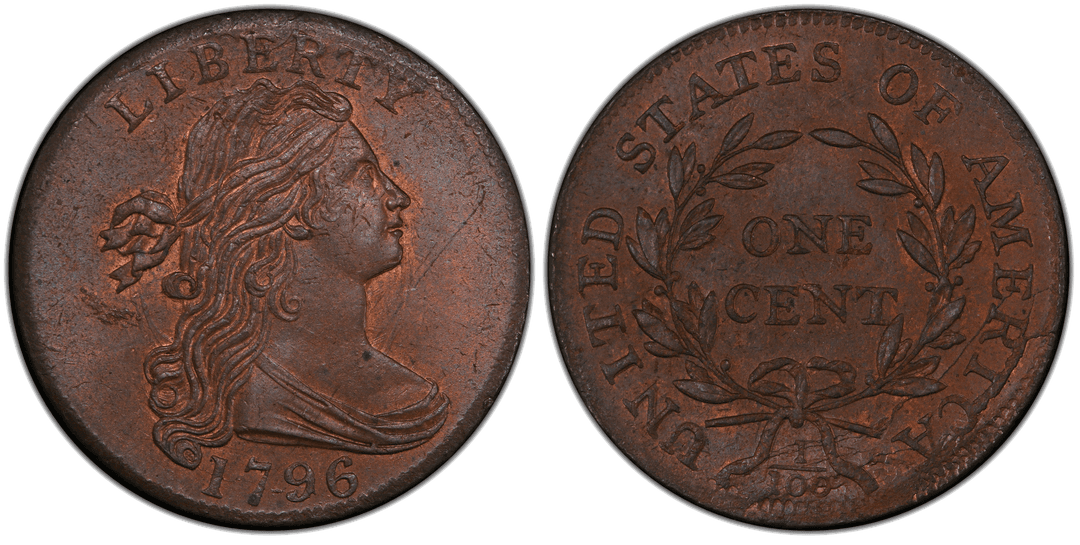
Among the most dramatic die failures in early American coinage, SD-1c-1798-01R documents a split die on the reverse of the 1798 Draped Bust Large Cent, Second Hair Style. A split die represents the terminal stage of die deterioration — a catastrophic fracture that cleaves the working die into two or more pieces, producing coins with a prominent raised ridge bisecting the design where the crack allowed metal to flow into the gap during striking. The 1798 cent was produced at Philadelphia, the nation's sole mint and only operational since 1793, using hand-operated screw presses. Robert Scot's Draped Bust obverse depicts Liberty with flowing hair gathered in a ribbon, paired with the wreath reverse on large copper planchets of approximately 29mm. Die production relied on hand-cut punches and manual hub work, making each die expensive to produce. Split dies were tolerated longer than they would be in later eras precisely because replacement dies required considerable time and skill. The R suffix confirms the split occurred on the reverse die, and sequence number 01 marks it as the first cataloged split die for this date.
External References
Community & Reference
Related Errors
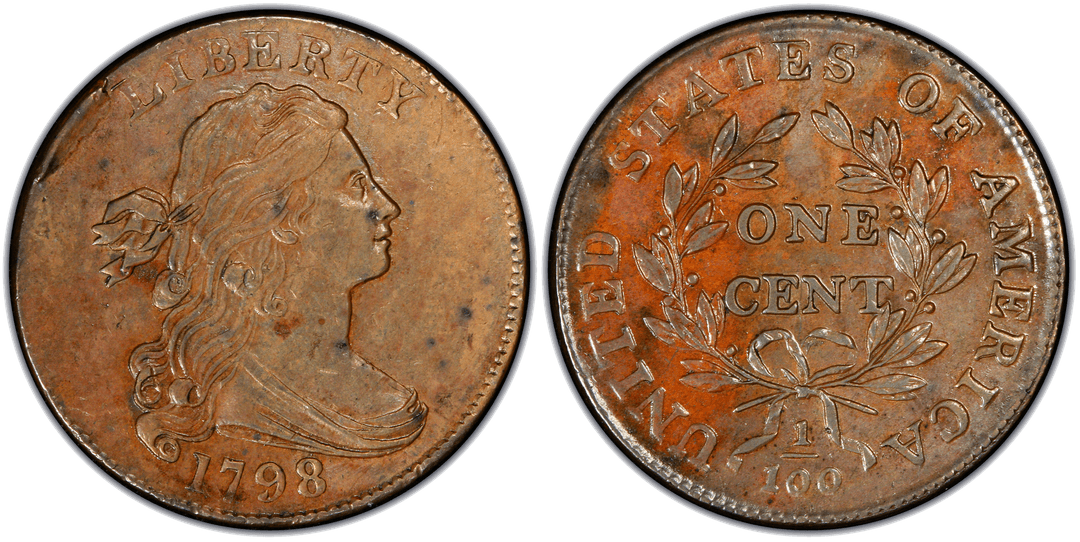
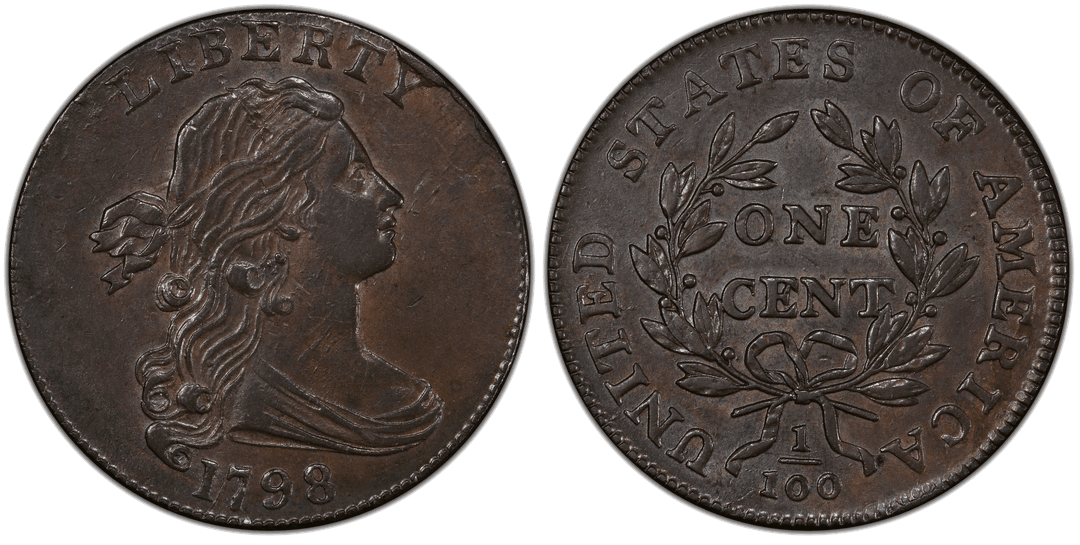
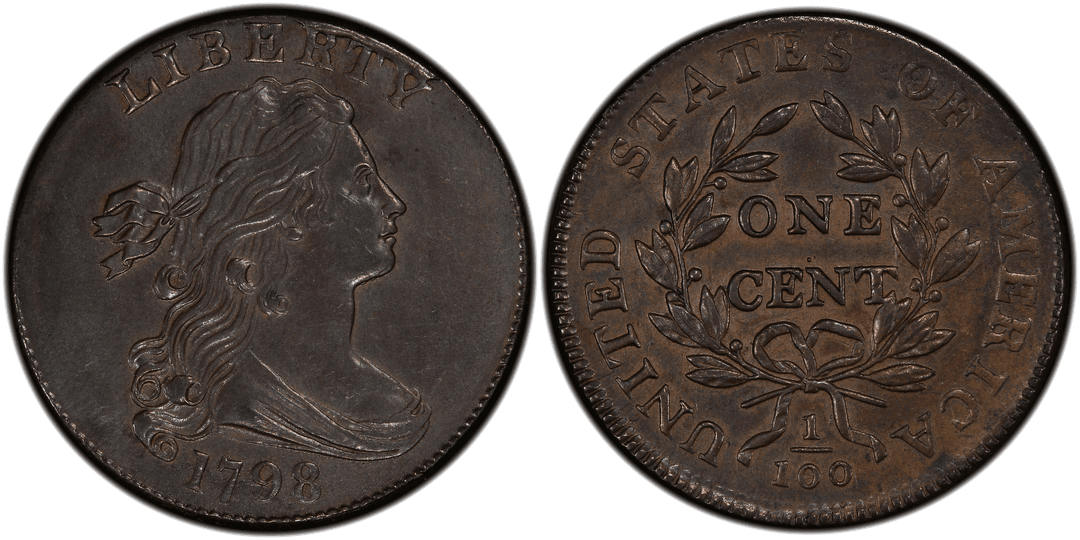
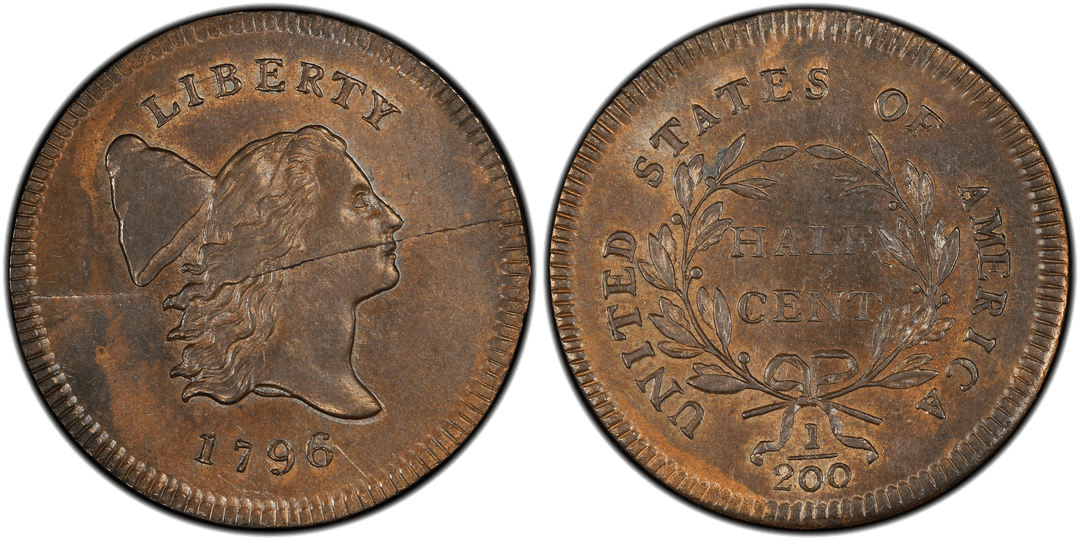
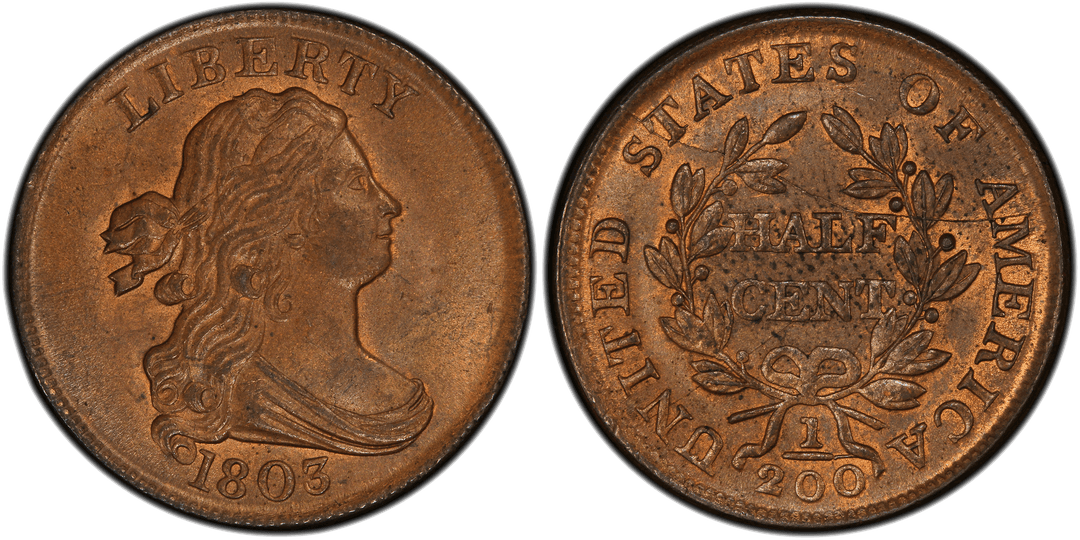
More Split Die Errors
Collector Essentials
Tools for examining and preserving error coins and die varieties.
10x-20x Jeweler's Loupe
Essential for examining die varieties, doubled dies, and RPMs
Cherry Picker's Guide
The definitive reference for U.S. error coins and die varieties
2x2 Coin Flips & Holders
Protect and organize your finds with archival-quality holders
USB Digital Microscope
Capture detailed images for documentation and community submissions
As an Amazon Associate, NumisDex earns from qualifying purchases.