
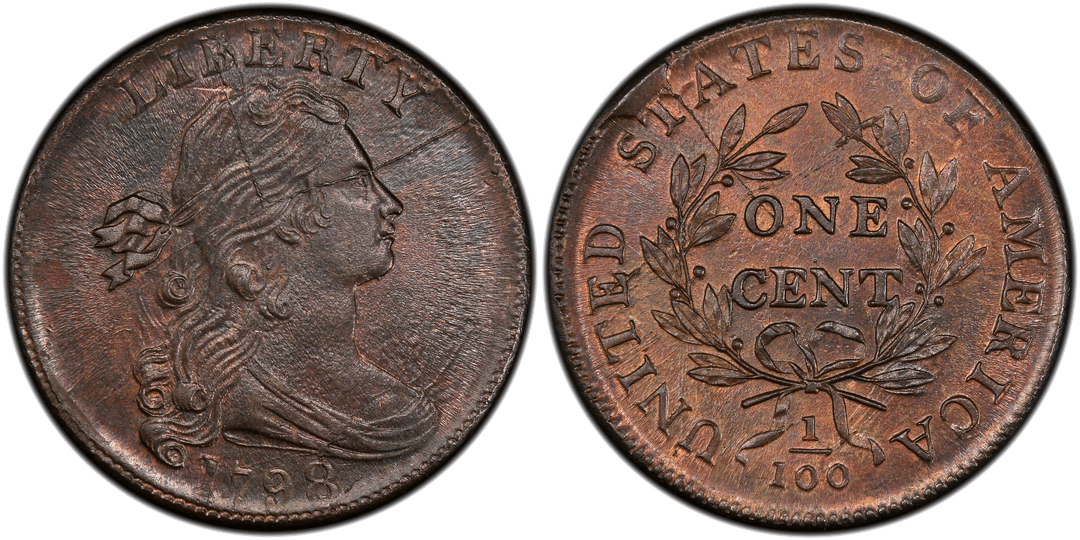
1798 Draped Bust Large Cent S-172 Obverse Cud
Error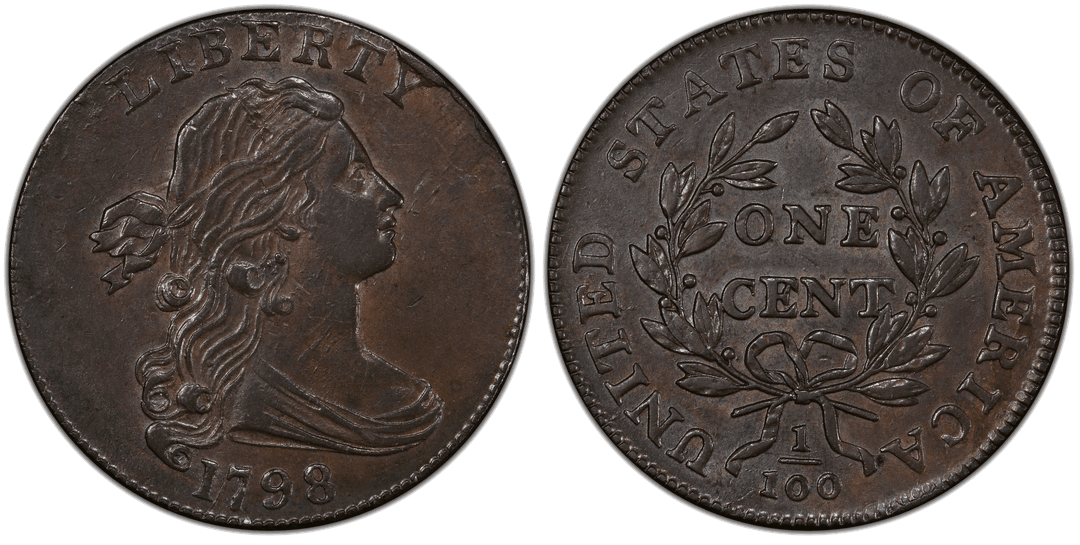
Description
An obverse cud die break is visible on this 1798 Draped Bust Large Cent, attributed to the Sheldon S-172 die variety within the Second Hair Style obverse classification. A section of the obverse die broke away from the rim directly above the letter Y in LIBERTY, extending clockwise and leaving a raised, featureless mass of metal on the struck coin where the missing die fragment no longer imparted design detail. Cud die breaks occur when a piece of the die rim fractures and separates entirely, creating a void in the die face that fills with unstruck metal during subsequent impressions. The Sheldon variety system, established by Dr. William Sheldon in his landmark reference on early American large cents, provides the definitive die variety attribution for cents from 1793 through 1814, with S-172 identifying this specific obverse-reverse die marriage. Struck at the Philadelphia Mint — the only operating U.S. Mint facility in 1798 — this large cent was produced during the earliest years of American coinage, when hand-engraved dies, screw presses, and copper planchets of variable quality made die failures a regular occurrence. The Second Hair Style designation distinguishes the revised portrait from the initial Draped Bust obverse introduced in 1796, reflecting die engraving modifications within the same design type.
Attribution History
- Discovered by NumisDexDealer
- Sheldon S-172
Community & Reference
Related Errors
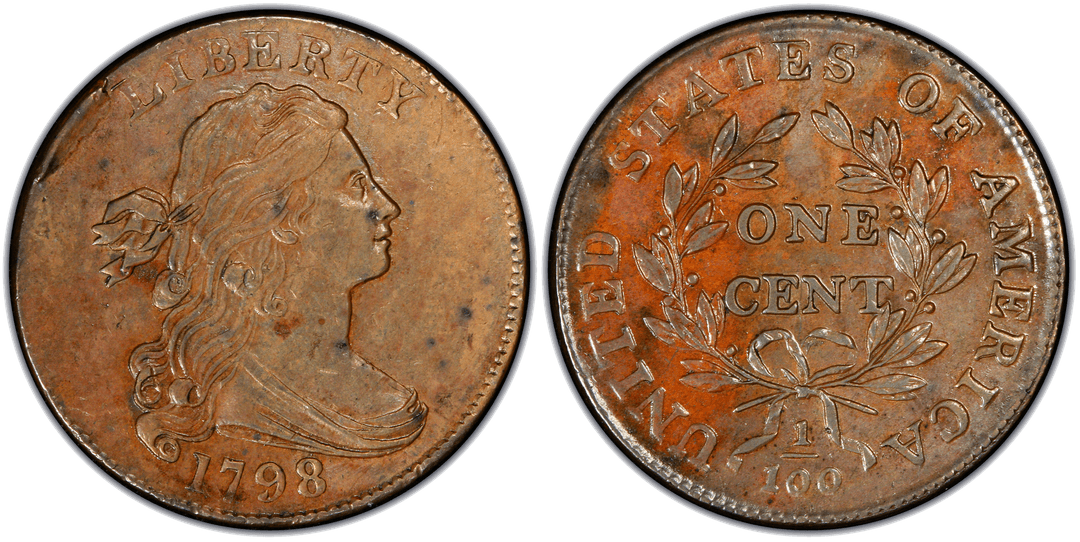
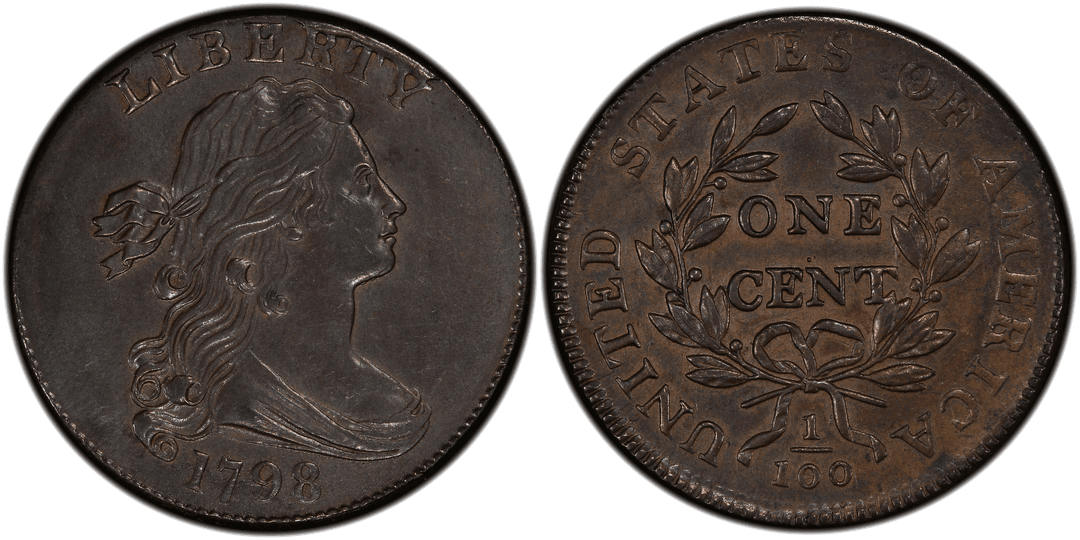
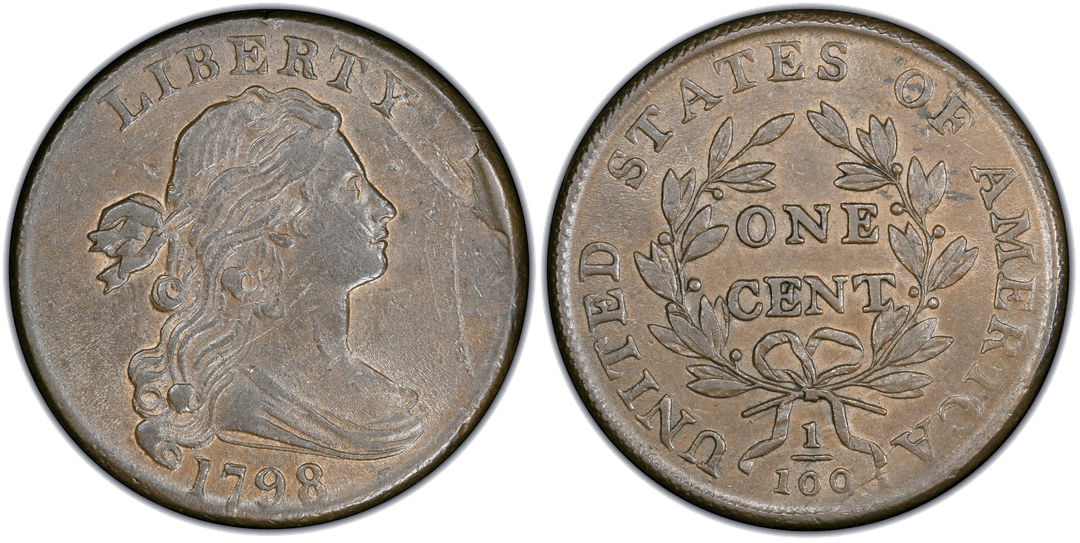
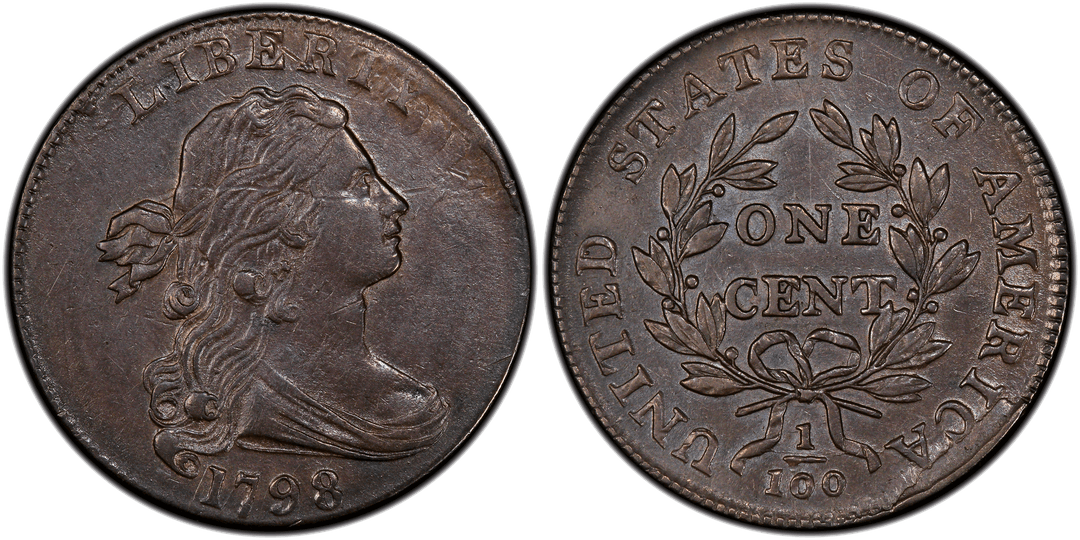
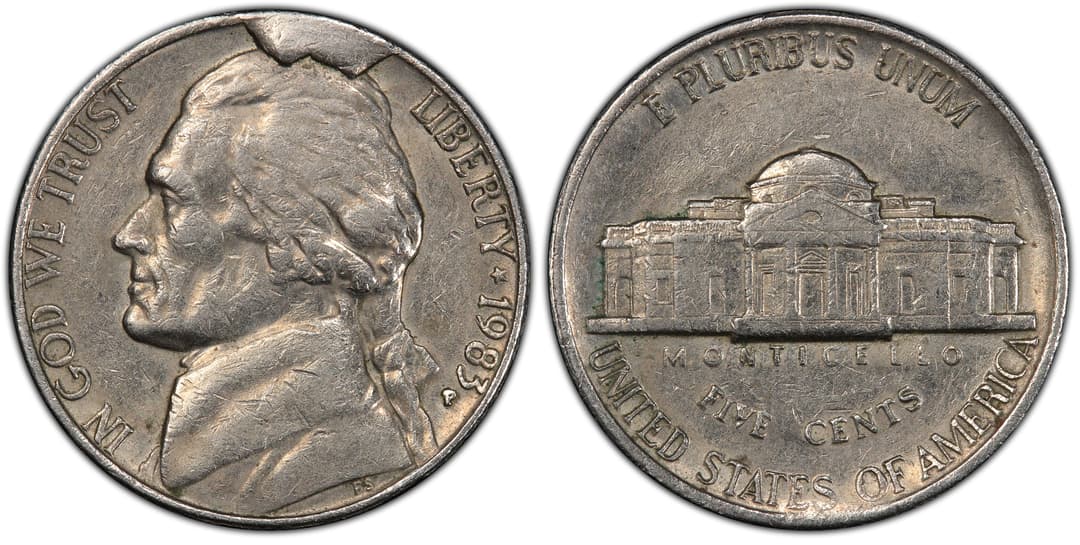
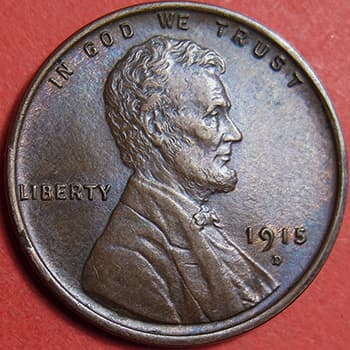
More Cud Errors
Collector Essentials
Tools for examining and preserving error coins and die varieties.
10x-20x Jeweler's Loupe
Essential for examining die varieties, doubled dies, and RPMs
Cherry Picker's Guide
The definitive reference for U.S. error coins and die varieties
2x2 Coin Flips & Holders
Protect and organize your finds with archival-quality holders
USB Digital Microscope
Capture detailed images for documentation and community submissions
As an Amazon Associate, NumisDex earns from qualifying purchases.