
1998 Typical Die Clash TDC-10C-1998-01
Error
Description
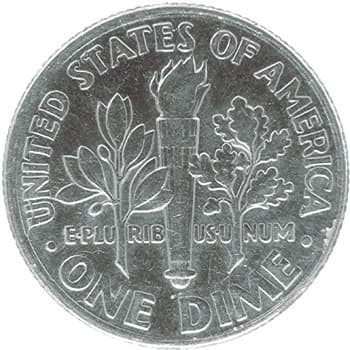
Cataloged by the MadDieClashes attribution service, TDC-10C-1998-01 records a typical die clash variety on the 1998-P Roosevelt dime — an error produced when the obverse and reverse dies struck each other without a planchet between them during an empty-chamber event in the coining press. John R. Sinnock's Roosevelt dime design, in continuous production since 1946, creates a die clash pattern where the obverse portrait contours may appear as faint incuse lines on the torch-and-branches reverse, and the reverse design elements may be ghosted onto the portrait side. The 10C denomination code identifies the dime, 1998 establishes the date, and 01 marks this as the first cataloged typical die clash for the issue. Philadelphia struck approximately 1.16 billion Roosevelt dimes in 1998, an enormous production volume where the high-speed coining presses occasionally experienced the mechanical timing failures that allow dies to contact each other without a planchet present. Typical die clashes produce mirror-image design transfers that appear in predictable positions relative to the normal die alignment, distinguishing them from atypical clashes where an intermediary object creates transferred imagery at unexpected angles. On Roosevelt dimes, the clash marks are typically most visible in the open field areas — behind Roosevelt's head on the obverse and in the spaces between the torch, branches, and inscriptions on the reverse — where the transferred imagery contrasts against otherwise smooth surfaces. The full detail and positions of the clash marks on this specific specimen are not elaborated in the source data, but the MadDieClashes designation confirms the variety has been documented and verified by the attribution service. Collectors should examine both sides of the coin under 10-15x magnification with angled lighting that emphasizes shallow surface features, looking for faint transferred design elements in the field areas of both obverse and reverse.
External References
Community & Reference
Related Errors
More Typical Die Clash Errors



Collector Essentials
Tools for examining and preserving error coins and die varieties.
10x-20x Jeweler's Loupe
Essential for examining die varieties, doubled dies, and RPMs
Cherry Picker's Guide
The definitive reference for U.S. error coins and die varieties
2x2 Coin Flips & Holders
Protect and organize your finds with archival-quality holders
USB Digital Microscope
Capture detailed images for documentation and community submissions
As an Amazon Associate, NumisDex earns from qualifying purchases.