
1972 Doubled Die Obverse WDDO-010
Error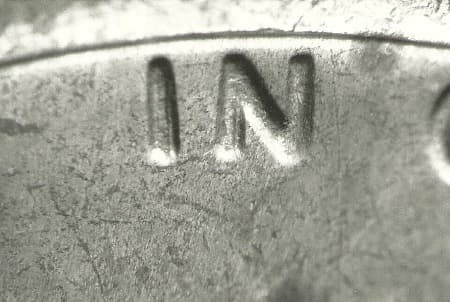
Description
Documented across four obverse die stages and four reverse die stages — the second-most extensive die life record among the 1972 Philadelphia doubled dies after WDDO-003's remarkable seven-by-seven matrix — WDDO-010 shows a very close Class I counterclockwise (CCW) spread on IN GOD WE TRUST, providing collectors with a richly documented variety that rewards patient stage-by-stage collecting. The four-stage obverse progression records this die from its earliest known state through progressive deterioration, with die markers appearing, evolving, weakening, or vanishing as the die accumulated production wear across millions of striking cycles. Obverse Stage A presents the die in its freshest condition with the sharpest visible doubling and the most complete set of original die markers — this is the premium state sought by collectors willing to pay top dollar for maximum visual impact. Obverse Stage B shows initial wear progression with most Stage A markers still present but some beginning to weaken, and the doubling retaining most of its definition. Obverse Stage C marks the die's transition into later life, where accumulated wear has softened the doubled images perceptibly and some original markers have faded while new die scratches or deterioration features may have appeared from polishing or extended use. Obverse Stage D documents the die in its final production phase with substantially degraded doubling visibility and advanced surface deterioration — the last coins struck before the die was retired from service. Similarly, the four reverse stages document the companion reverse die's parallel journey from fresh to exhausted, with each stage defined by its own set of diagnostic markers that evolved as the reverse die accumulated its own production wear independently of the obverse. Cross-referenced as CONECA 5-O-I (notably receiving the fifth CONECA sequence number despite being tenth in the Wexler system — reflecting different discovery chronologies between attribution organizations), Cherrypickers' Guide FS 01-1972-105 (033.55), Crawford CDDO-014, and Coppercoins 1972P-1DO-005. The discrepancy between catalog numbers across systems (CONECA 5, Wexler 10, Crawford 14, Coppercoins 5) illustrates a fundamental challenge in die variety collecting: a single physical variety appears under at least four different designations depending on which reference is consulted, requiring collectors to maintain cross-reference awareness when researching or purchasing specimens described using different attribution systems. The four-by-four stage matrix offers sixteen theoretical obverse/reverse stage combinations, though not all pairings may have been documented on surviving specimens — making the pursuit of confirmed stage combinations a collecting objective unto itself for WDDO-010 specialists. For collectors building comprehensive 1972 doubled die sets, the multi-stage documentation and FS listing make WDDO-010 one of the more rewarding varieties to pursue in depth, with each confirmed die state pairing representing a distinct snapshot in the die's production biography. A small die gouge (dot) can be found inside the upper Y of LIBERTY. A strong south to north die scratch is centered between the D of GOD and the W of WE. Numerous west to east die scratches can be found between the vest and the 1 in the date. Remnants of a die clash can be found above and between the 9 and the 7. Obverse Stage C: Most Stage B markers are either very weak or gone except for the die clash mark above the 9 and 7. Reverse Stage A: A small die gouge (dot) can be found to the left of the center of the C in CENT. A short but strong die gouge shows on the Memorial roof north of the top left side of the 3rd Memorial column. A die scratch runs east to west through the lower E PL of EPU. Reverse Stage C: A small die gouge (dot) can be found between the upper I and T of UNITED. Two die gouges can be found SE of the bottom right side of the 2nd A of AMERICA. A small die gouge can be found above the G in the designer’s initials. A small die gouge can be found north of the N of ONE.
Attribution History
- CONECA: 5-O-I, Cherrypickers: FS 01-1972-105 (033.55), Crawford: CDDO-014, Coppercoins: 1972P-1DO-005; Wexler Variety ID: 1972 1¢ WDDO-010
- Expert attribution by Wexler Team
External References
Community & Reference
Related Errors

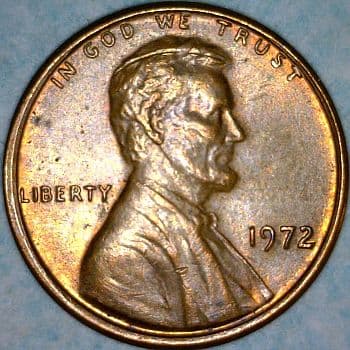
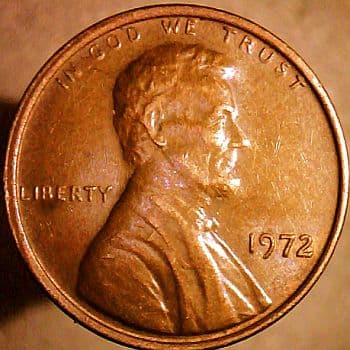

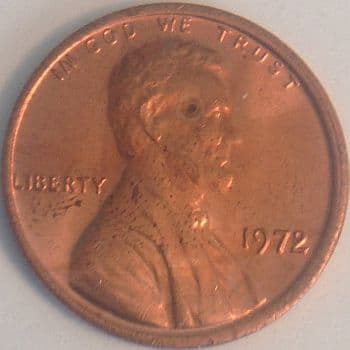
More Doubled Die Obverse Errors
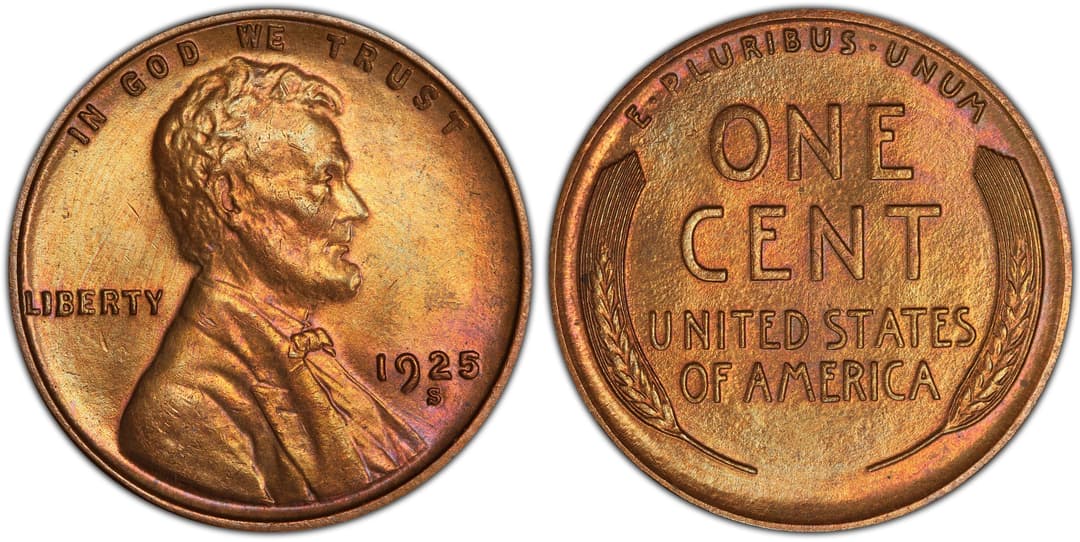
1925-S Doubled Die Obverse DDO-001
Doubled Die Obverse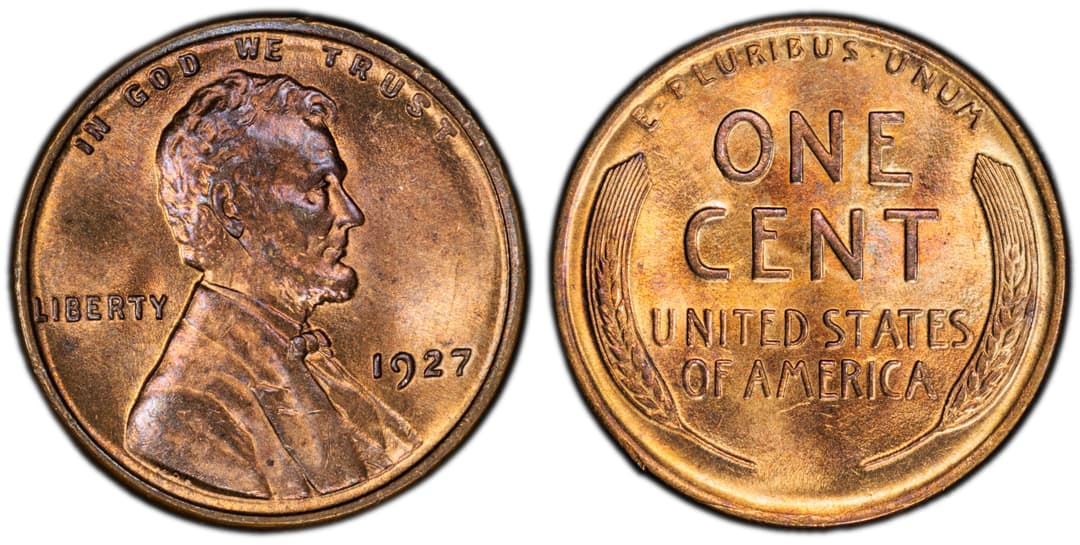
1927 Doubled Die Obverse DDO-001
Doubled Die Obverse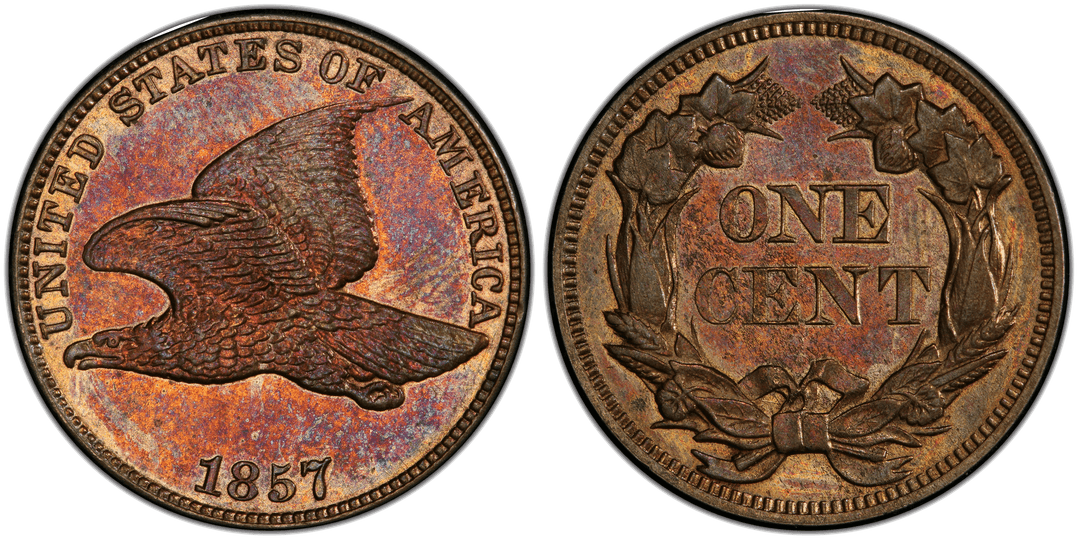
1857 Proof Flying Eagle Cent Doubled Die Obverse FS-401 Snow-5
Doubled Die Obverse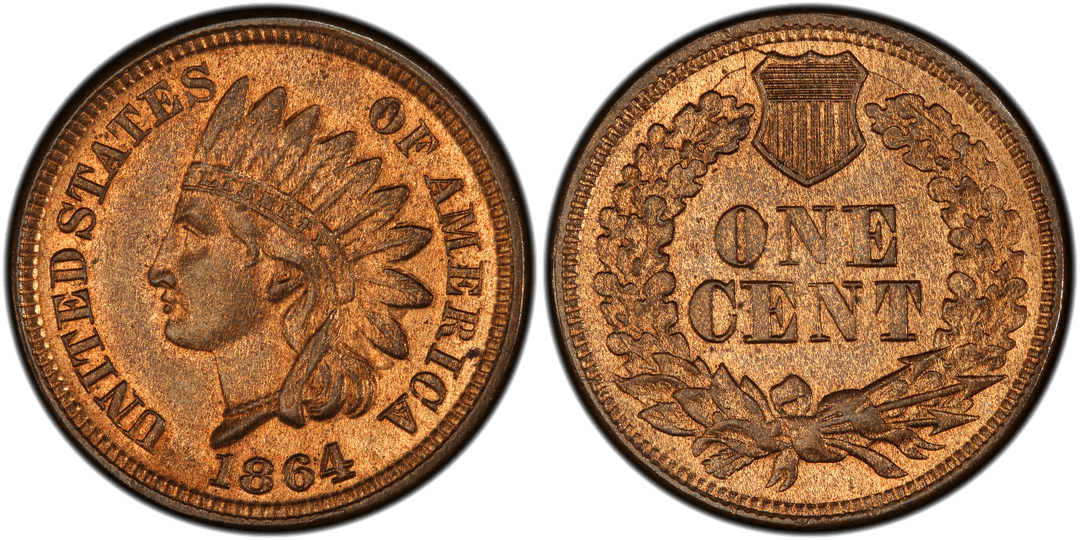
1864 Indian Head Cent (Bronze No L) Doubled Die Obverse FS-1101 Snow-4
Doubled Die Obverse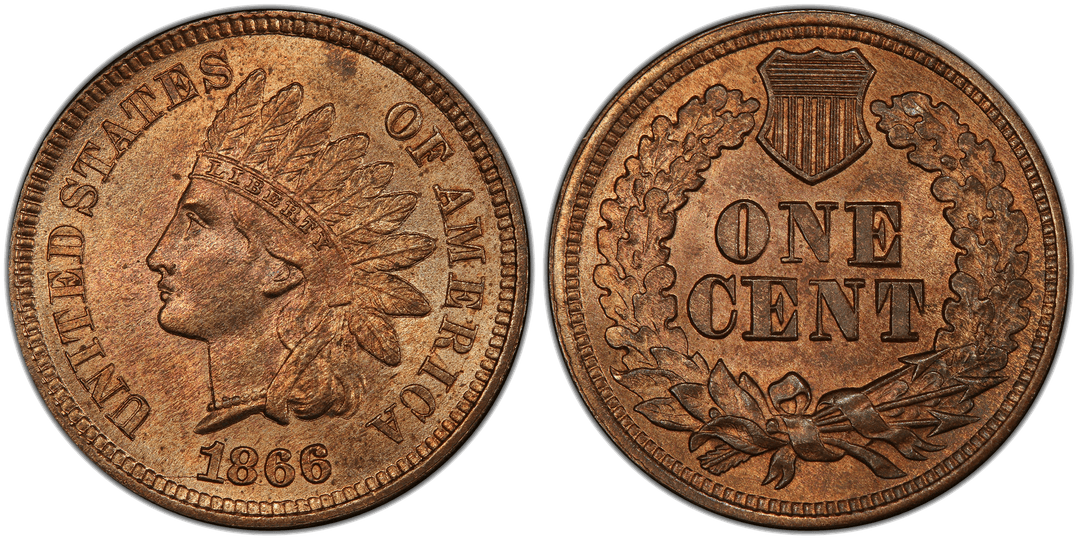
1866 Indian Head Cent Doubled Die Obverse FS-101 Snow-1
Doubled Die ObverseCollector Essentials
Tools for examining and preserving error coins and die varieties.
10x-20x Jeweler's Loupe
Essential for examining die varieties, doubled dies, and RPMs
Cherry Picker's Guide
The definitive reference for U.S. error coins and die varieties
2x2 Coin Flips & Holders
Protect and organize your finds with archival-quality holders
USB Digital Microscope
Capture detailed images for documentation and community submissions
As an Amazon Associate, NumisDex earns from qualifying purchases.