
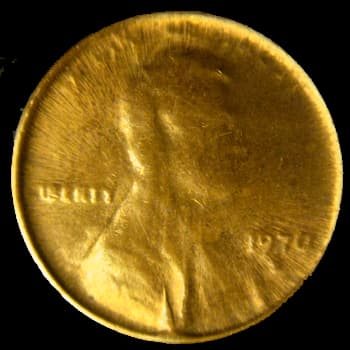
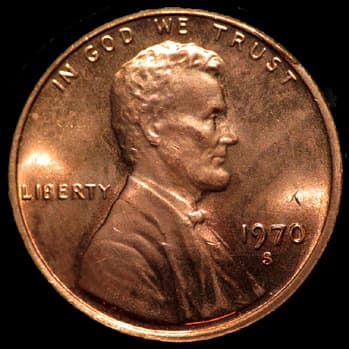
1970-S Doubled Die Obverse WDDO-009
Error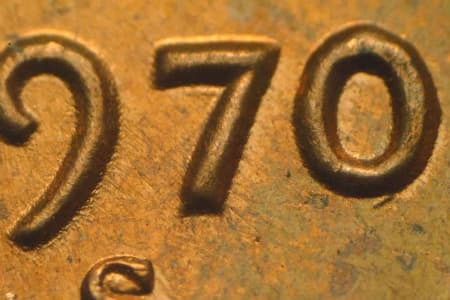
Description
Tracked across three obverse die stages and three reverse die stages, the 1970-S WDDO-009 under the Large Date parent documents a doubled die obverse with doubling visible under the 7 and below the 0 in the date. The three-stage die life record captures the working die's evolution from initial production through progressive deterioration, with heavy abrasion between stages indicating Mint intervention to extend the die's service life by mechanically polishing the working surface. This abrasion treatment — a common practice when the Mint sought to salvage dies showing early signs of clashing, flow lines, or other progressive defects — fundamentally alters the die's diagnostic landscape between stages, meaning specimens from different stages can display markedly different surface characteristics despite carrying the same underlying doubled die variety. Cross-referenced as Coppercoins 1970S-1DO-008, this variety benefits from documentation in both the Wexler and Coppercoins attribution systems, giving collectors dual reference points for specimen comparison. The Large Date parent classification under ODV-025 positions the date-area doubling — under the 7 and below the 0 — within the wider digit spacing characteristic of the Large Date hub. The three-stage progression, with its documented inter-stage abrasion, makes WDDO-009 a useful study in die maintenance practices: each stage represents not merely passive wear but active Mint intervention, and comparing specimens across stages reveals how aggressively the abrasion treatment could modify a die's surface while preserving the underlying doubled die impression embedded deeper in the steel. Die Markers: Obverse Stage A: A long, nearly vertical die scratch can be found north of the left side of the T in LIBERTY. Obverse Stage B: Numerous die scratches run from SW to NE in the fields to the left and to the right of the bust. Obverse Stage C: The die has been heavily abraded removing the previous stage die scratches. A die gouge can be found to the right of the bottom of the 7. Light die scratches run from SW to NE to the right of the beard. Reverse Stage B: A die gouge can be found to the right of the top of the 4th column. A die gouge can be found above the left side of the E in CENT. Nearly vertical die scratches run through, and to the right of the S in PLURIBUS. A die scratch runs from NNW to SSE through the top right of the E in ONE. Other die scratches can be found throughout the reverse. Reverse Stage C: The die has been heavily abraded removing most of the previous stage die scratches. The die scratch through the top right of the E in ONE is still present. The die gouge above the left side of the E is still there, but the die gouge to the right of the top of the 4th column has been abraded away.
Attribution History
- Discovered by John A. Wexler Cross References: Coppercoins: 1970S-1DO-008
- Coppercoins: 1970S-1DO-008; Wexler Variety ID: 1970-S 1¢ WDDO-009
- Expert attribution by Wexler Team
External References
Community & Reference
Related Errors
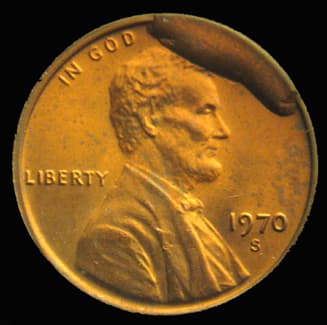
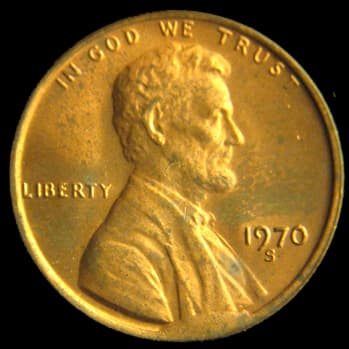
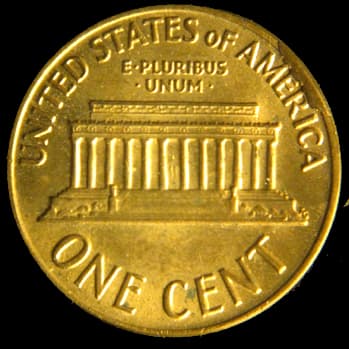
More Doubled Die Obverse Errors
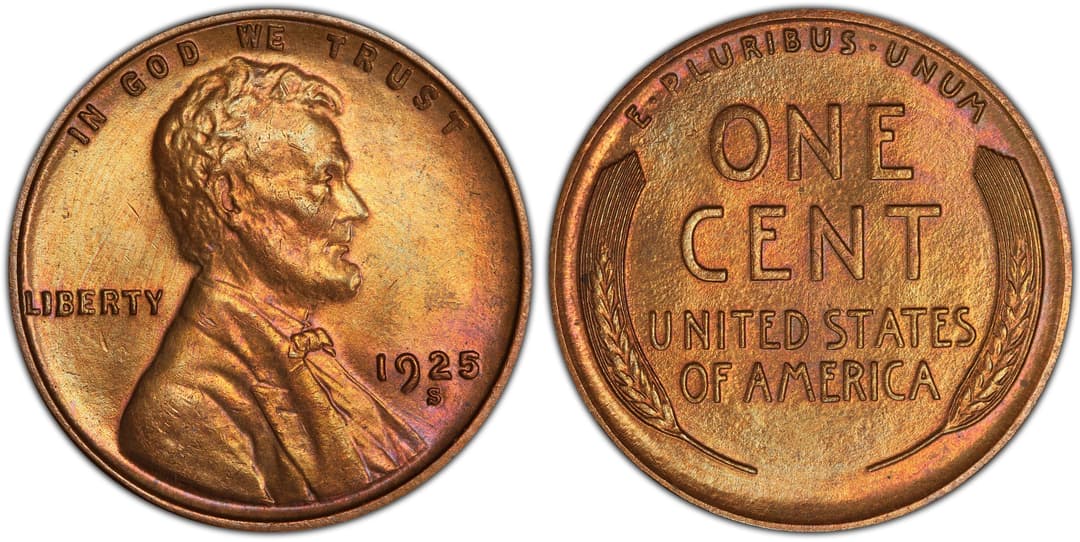
1925-S Doubled Die Obverse DDO-001
Doubled Die Obverse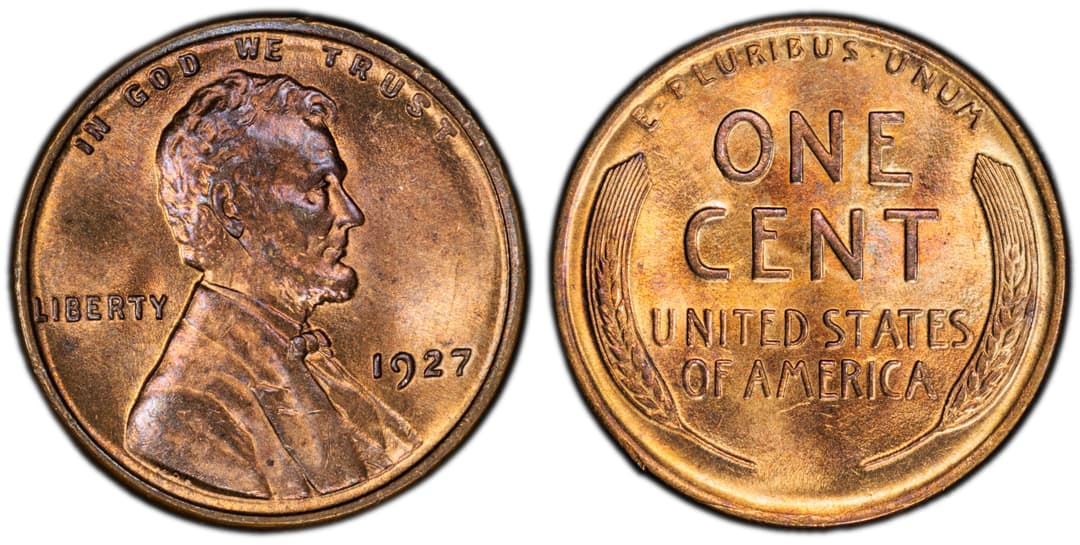
1927 Doubled Die Obverse DDO-001
Doubled Die Obverse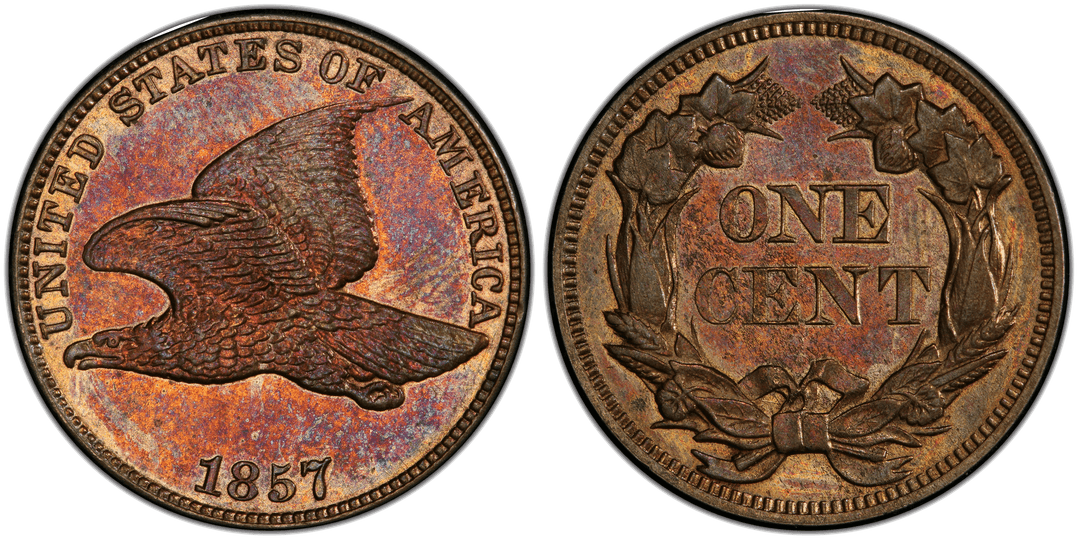
1857 Proof Flying Eagle Cent Doubled Die Obverse FS-401 Snow-5
Doubled Die Obverse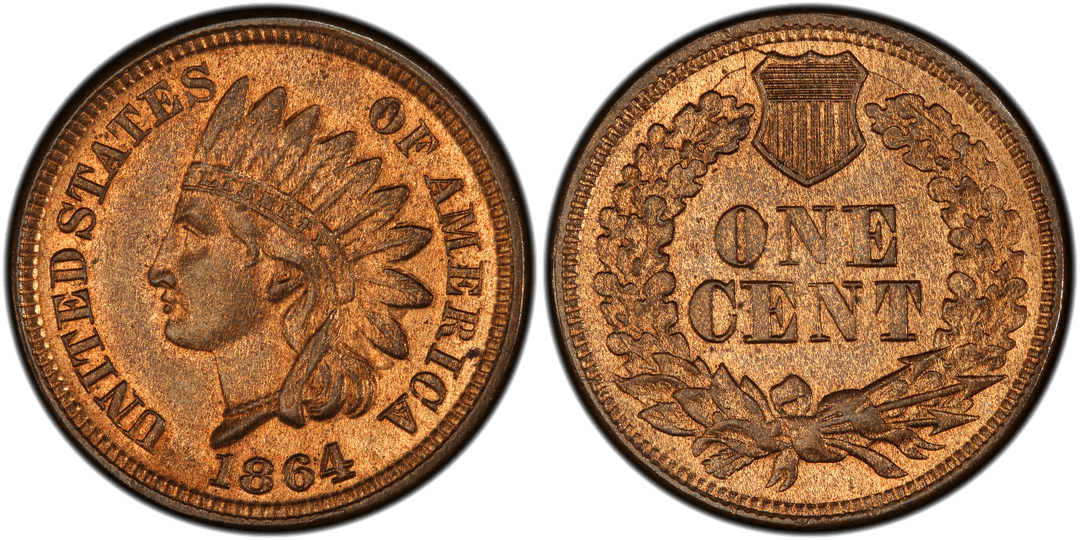
1864 Indian Head Cent (Bronze No L) Doubled Die Obverse FS-1101 Snow-4
Doubled Die Obverse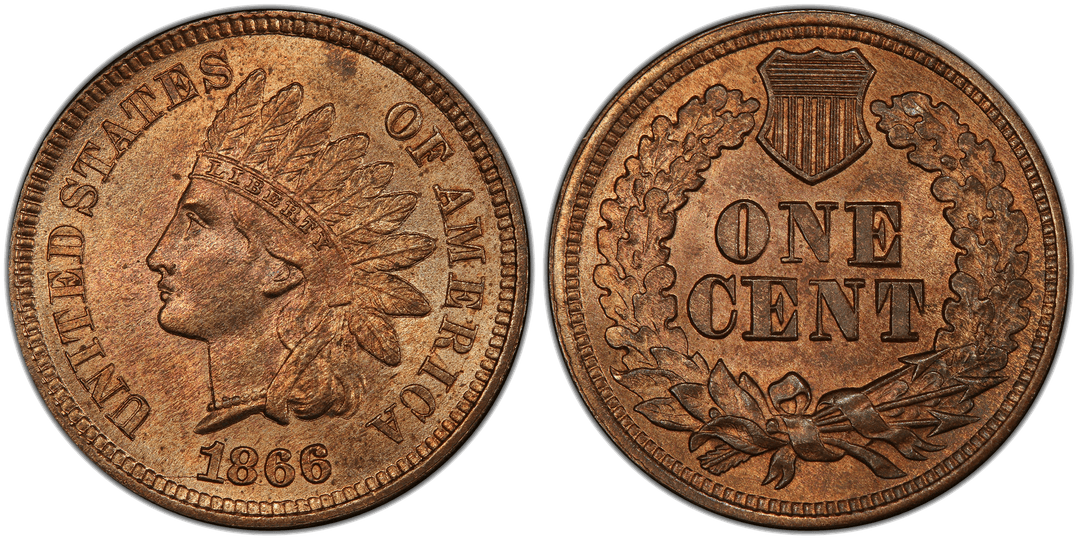
1866 Indian Head Cent Doubled Die Obverse FS-101 Snow-1
Doubled Die ObverseCollector Essentials
Tools for examining and preserving error coins and die varieties.
10x-20x Jeweler's Loupe
Essential for examining die varieties, doubled dies, and RPMs
Cherry Picker's Guide
The definitive reference for U.S. error coins and die varieties
2x2 Coin Flips & Holders
Protect and organize your finds with archival-quality holders
USB Digital Microscope
Capture detailed images for documentation and community submissions
As an Amazon Associate, NumisDex earns from qualifying purchases.