
1968-S Atypical Die Clash ADC-5C-1968S-01
Error
Description
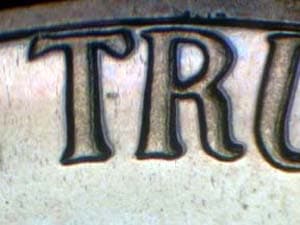
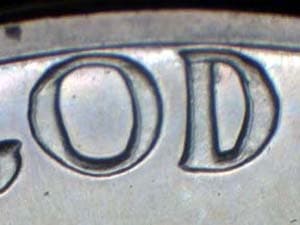
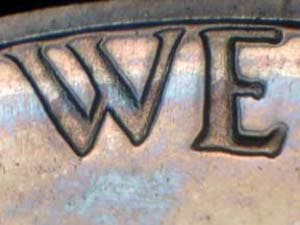
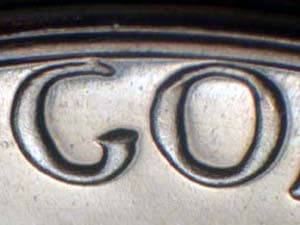
Cataloged by the MadDieClashes attribution service, ADC-5C-1968S-01 documents an atypical die clash event on the 1968-S Jefferson nickel proof — a variety that occurs through a fundamentally different mechanism than standard die clashing. While typical die clashes result from direct die-to-die contact without a planchet, atypical clashes involve an intermediary object — a previously struck coin, planchet fragment, or foreign material — that becomes trapped between the dies during an empty-chamber event, transferring design elements at unusual angles and positions that deviate from the predictable mirror-image pattern of normal clashes. The 1968-S nickel holds particular significance as it comes from the first year San Francisco resumed proof production with mintmarks after the 1965-1967 suspension, when the S mintmark was reintroduced on proof coinage. Felix Schlag's Jefferson portrait obverse and Monticello reverse create the design context for this die clash, where transferred design elements from one die would appear as faint incuse impressions on the opposing die's surface at angles inconsistent with normal die alignment. San Francisco proof production operates under more controlled conditions than business-strike manufacturing, making the occurrence of any die clash event — typical or atypical — particularly noteworthy within the proof coining environment. The 5C denomination code identifies the nickel, the 1968S date-mint confirms the San Francisco proof issue, and the 01 suffix marks this as the first documented atypical die clash for this specific issue. Proof surfaces with their mirror fields provide high-contrast backgrounds that may make faint clash marks more visible than they would be on a frosted business-strike surface. Collectors should examine both sides of the coin under 10-15x magnification for transferred design elements appearing at non-standard positions, looking particularly in the open field areas where clash marks contrast most clearly against the mirror finish.
External References
Community & Reference
Related Errors

More Atypical Die Clash Errors
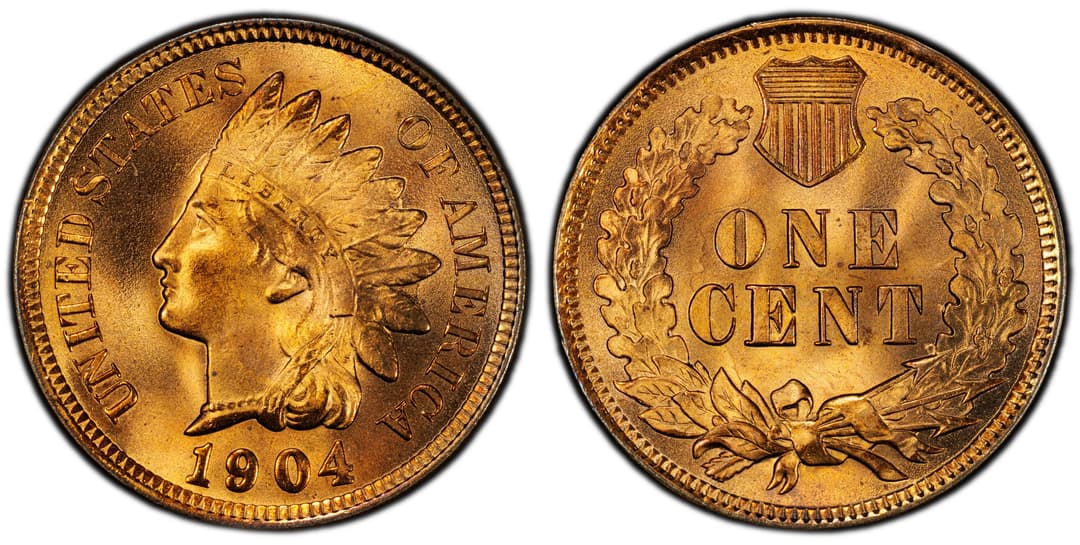
1904 Atypical Die Clash ADC-1C-1904-01
Atypical Die Clash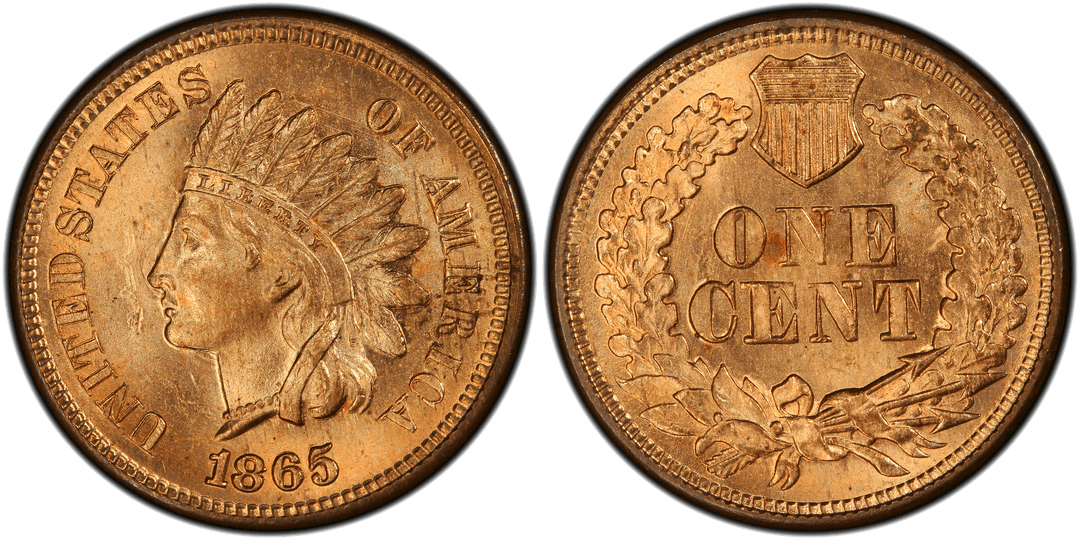
1865 Indian Head Cent (Plain 5) Atypical Die Clash (Obverse)
Atypical Die Clash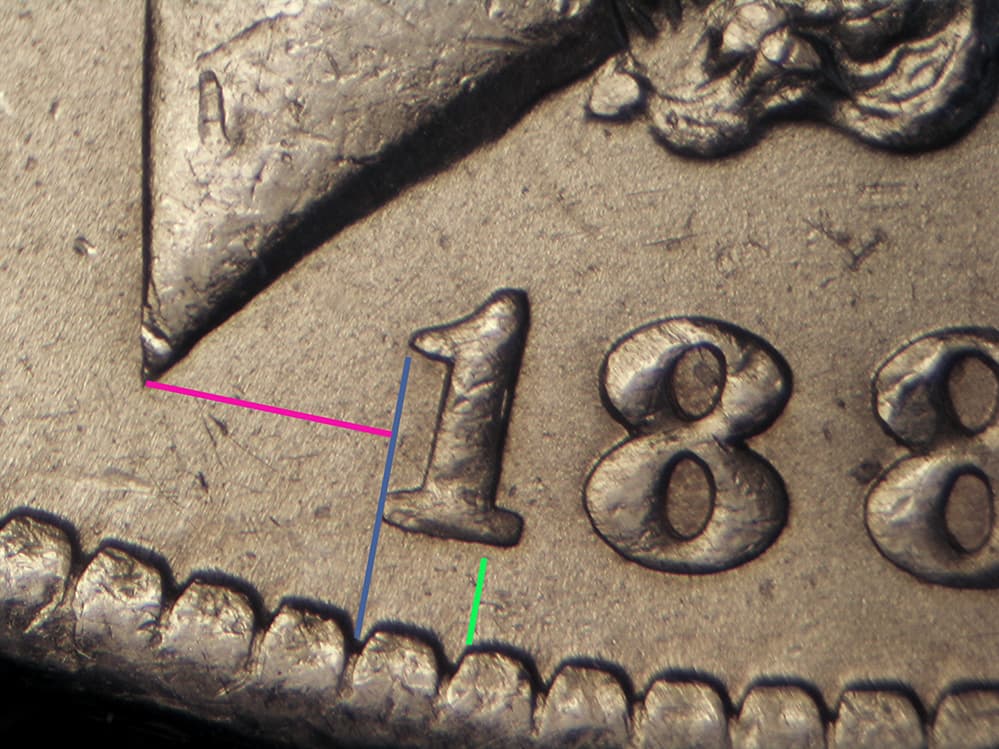
1884-O Atypical Die Clash ADC-100c-1884O-01
Atypical Die Clash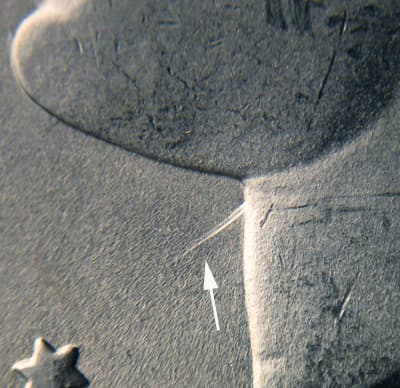
1886 Atypical Die Clash ADC-100c-1886-01
Atypical Die Clash
1887 Atypical Die Clash ADC-100c-1887-01 EMDS
Atypical Die ClashCollector Essentials
Tools for examining and preserving error coins and die varieties.
10x-20x Jeweler's Loupe
Essential for examining die varieties, doubled dies, and RPMs
Cherry Picker's Guide
The definitive reference for U.S. error coins and die varieties
2x2 Coin Flips & Holders
Protect and organize your finds with archival-quality holders
USB Digital Microscope
Capture detailed images for documentation and community submissions
As an Amazon Associate, NumisDex earns from qualifying purchases.