
1930 Doubled Die Obverse WDDO-006
Error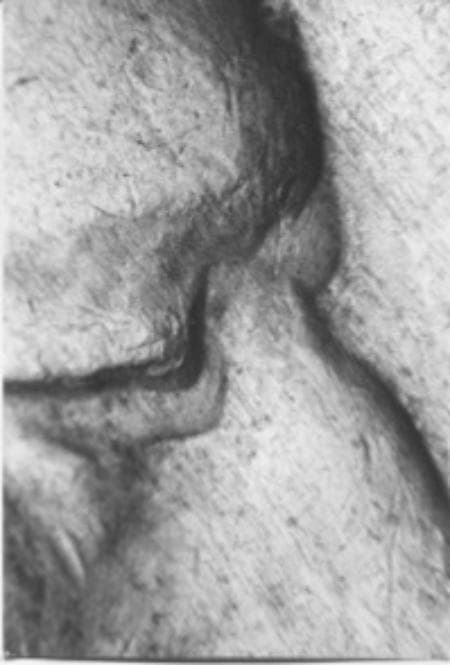
Description
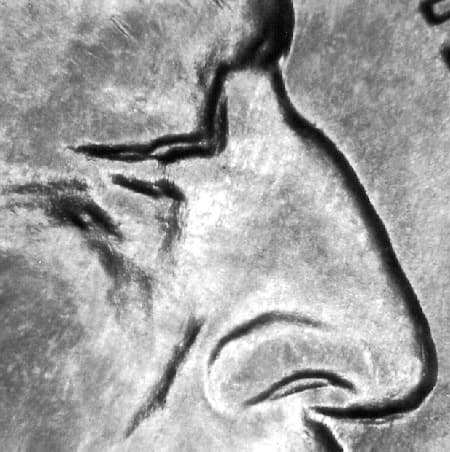
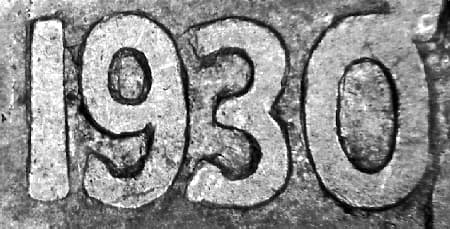
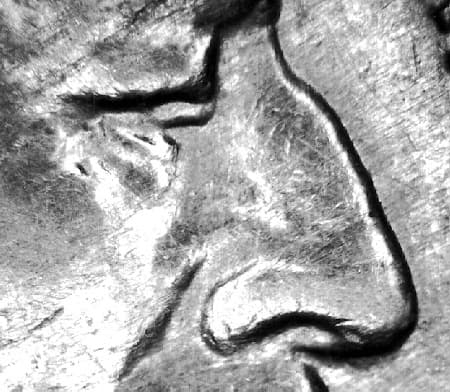
Struck during the Great Depression when mintages dropped sharply, the 1930 WDDO-006 exhibits Class IV spread to the northwest on the upper eyelid, brow, and large feather of the Native American portrait on James Earle Fraser's Buffalo Nickel. Attributed by the Wexler Team, doubling also appears as slight spread on the date and tip of the nose, though the eyelid, brow, and feather show the strongest effect. Class IV (Offset Hub Doubling) occurs when the working hub is laterally displaced during secondary hubbing, producing uniform directional spread — in this case to the northwest, creating doubled contours above and left of the original elements. No die markers are noted, making the hub doubling the sole attribution criterion. Fraser's iconic design, featuring a composite Native American portrait on the obverse and an American bison on the reverse, ran from 1913 to 1938 and remains one of the most recognizable American coin designs. Struck on 75% copper and 25% nickel at 21.2mm at Philadelphia during one of the lowest-mintage Depression-era years. Examine the upper eyelid, brow, and large feather for northwest spread, with secondary confirmation on the date and nose tip.
Attribution History
- Discovered by Brian Raines Cross References: None known
- None known; Wexler Variety ID: 1930 5¢ WDDO-006
- Expert attribution by Wexler Team
External References
Community & Reference
Related Errors

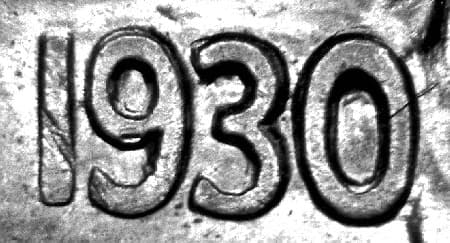
More Doubled Die Obverse Errors
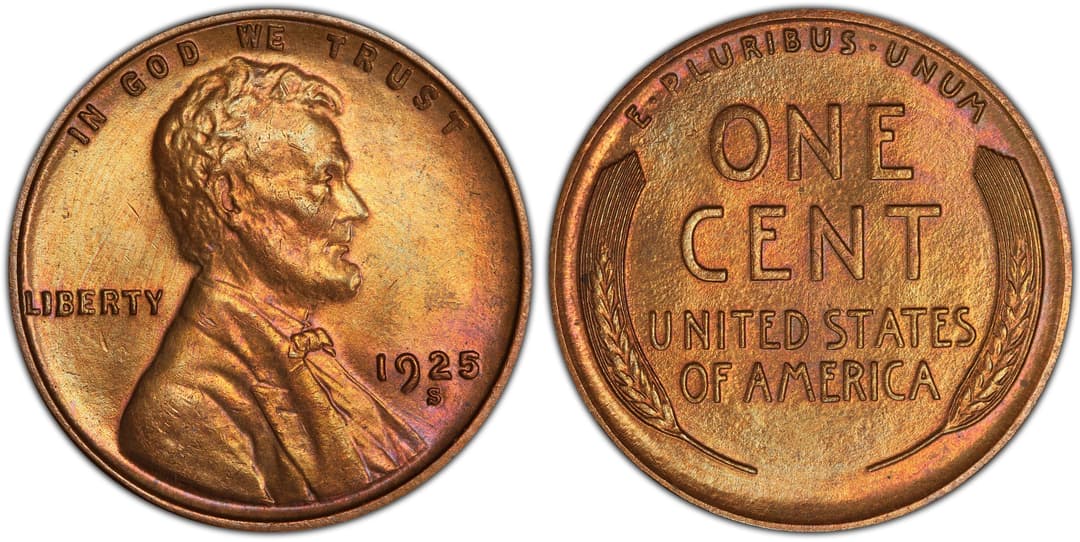
1925-S Doubled Die Obverse DDO-001
Doubled Die Obverse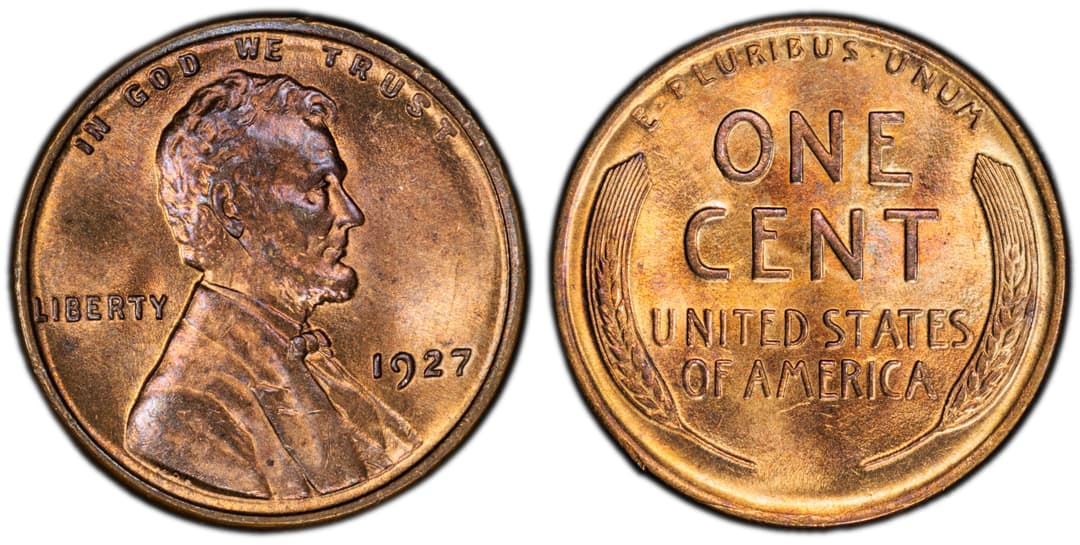
1927 Doubled Die Obverse DDO-001
Doubled Die Obverse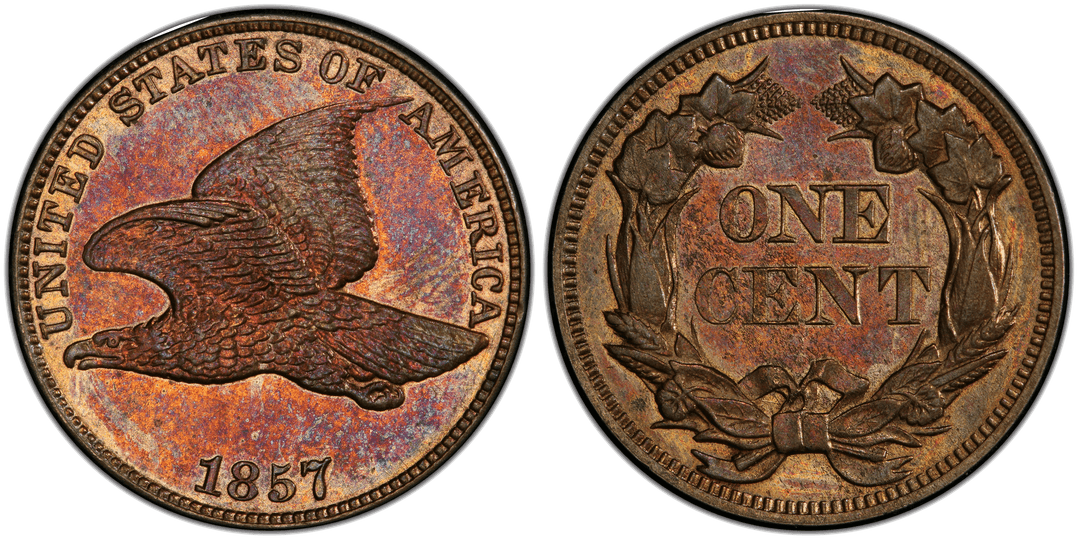
1857 Proof Flying Eagle Cent Doubled Die Obverse FS-401 Snow-5
Doubled Die Obverse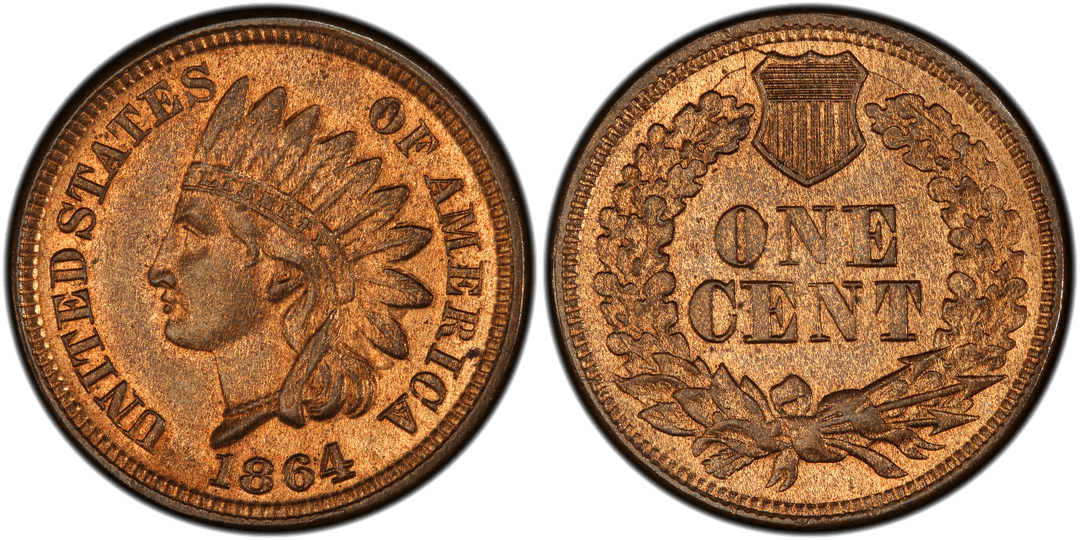
1864 Indian Head Cent (Bronze No L) Doubled Die Obverse FS-1101 Snow-4
Doubled Die Obverse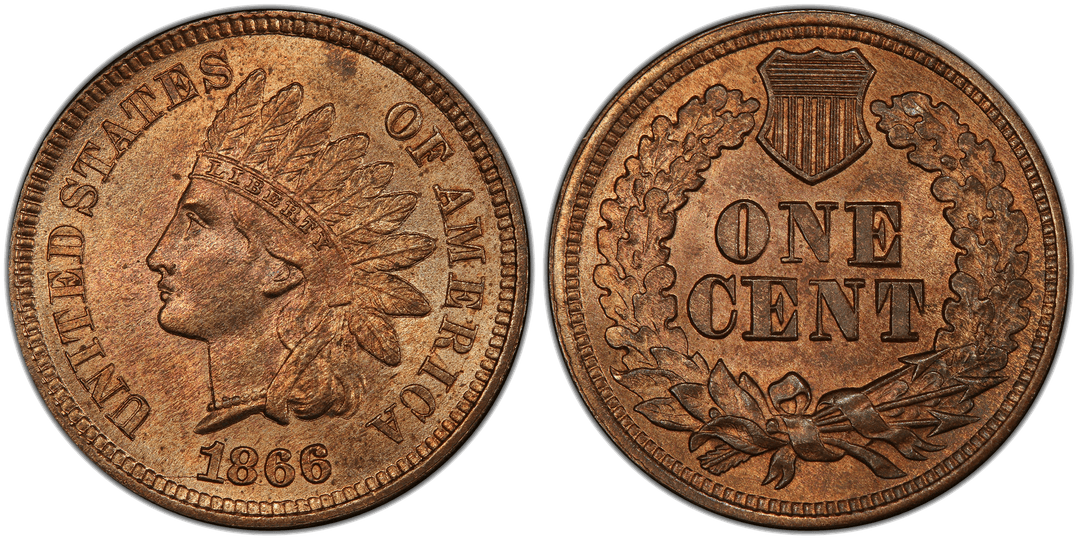
1866 Indian Head Cent Doubled Die Obverse FS-101 Snow-1
Doubled Die ObverseCollector Essentials
Tools for examining and preserving error coins and die varieties.
10x-20x Jeweler's Loupe
Essential for examining die varieties, doubled dies, and RPMs
Cherry Picker's Guide
The definitive reference for U.S. error coins and die varieties
2x2 Coin Flips & Holders
Protect and organize your finds with archival-quality holders
USB Digital Microscope
Capture detailed images for documentation and community submissions
As an Amazon Associate, NumisDex earns from qualifying purchases.