
RCD-1c-1925D-04R Retained Cud
Error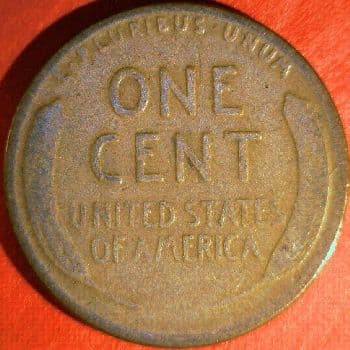
Description
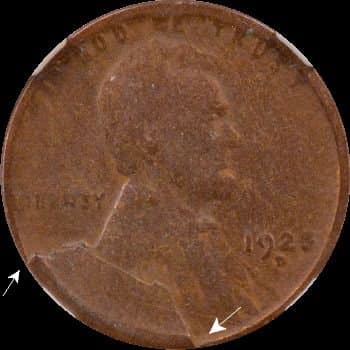
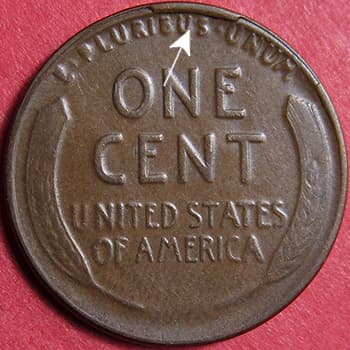
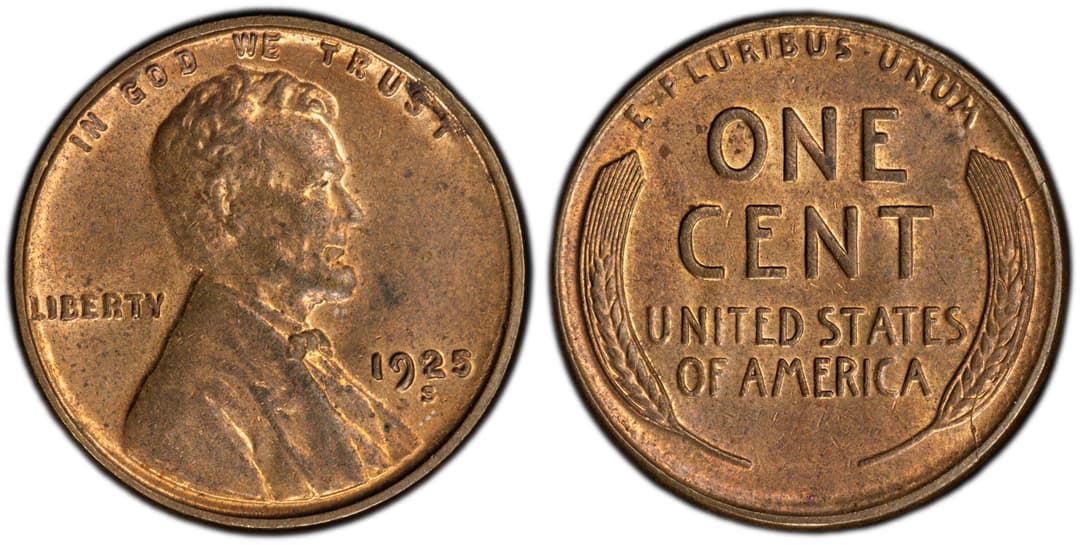
Fourth retained cud cataloged for the 1925-D Lincoln wheat cent by the Cuds on Coins attribution service, RCD-1c-1925D-04R documents a reverse die rim failure on this mid-1920s Denver Mint issue. The "R" suffix in the catalog code specifies that the retained cud appears on the reverse — the wheat ears design created by Victor David Brenner for the cent's 1909 debut, where two curved wheat stalks frame the denomination ONE CENT and the inscription UNITED STATES OF AMERICA. The reverse rim on Lincoln wheat cents sits adjacent to the tips of the wheat ears and the peripheral lettering, and the transition between these design elements and the raised rim creates stress concentration points where die cracks preferentially initiate. Denver produced approximately 22.58 million cents in 1925, a modest mintage by Lincoln cent standards that places this date among the lower-production D-mint issues of the decade. Four documented retained cuds for a single date and mint suggests that either one die pair experienced progressive failure across its production life (generating multiple retained cuds at different stages) or multiple die pairs independently developed rim fractures. Retained cuds on the reverse are particularly interesting on wheat cents because the symmetrical wheat ear design allows collectors to precisely locate the rim failure relative to specific design elements — whether the cud encroaches on the left wheat ear, the right wheat ear, the denomination, or the national legend. The retained nature means the broken die section remained attached, producing a raised but partially impressed area rather than the featureless blob of a fully separated cud. Collectors should rotate the coin slowly under magnification, examining the entire reverse rim for any area where the detail softens and the surface rises slightly above the surrounding rim level, indicating the location of the retained die fragment.
Attribution History
- Discovered by Chuck Newman
- Expert attribution by Cuds on Coins
External References
Community & Reference
Related Errors
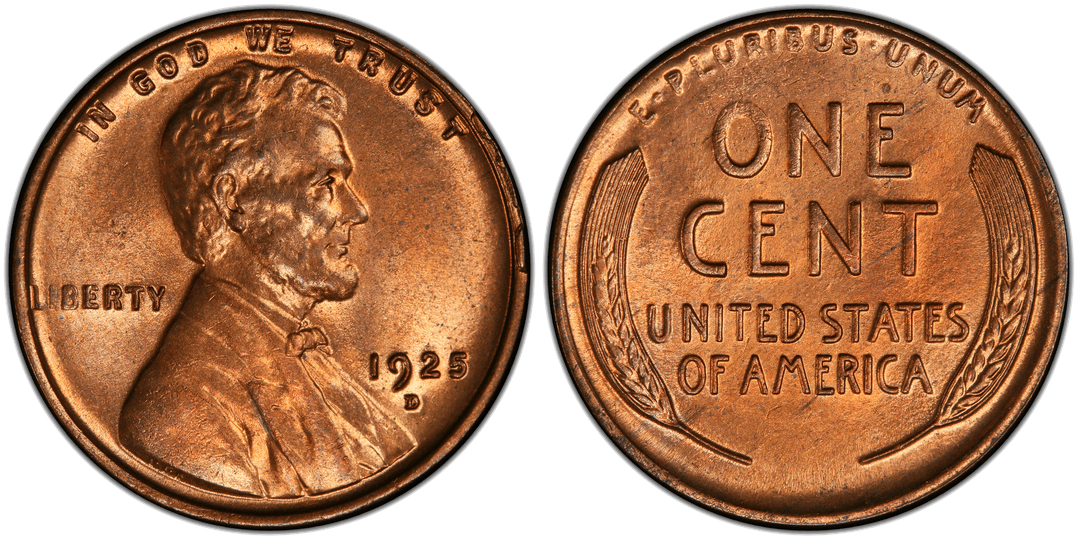
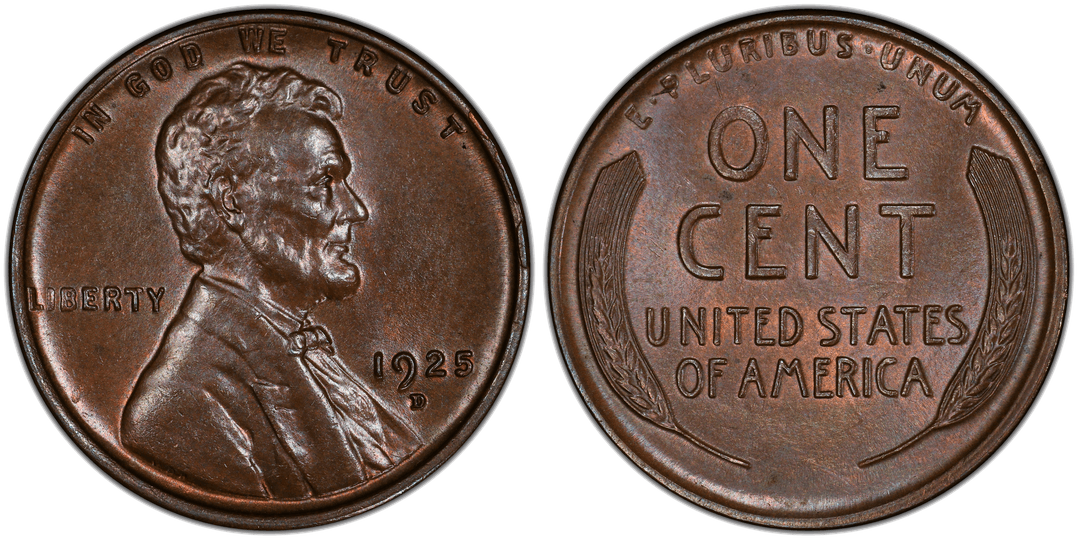
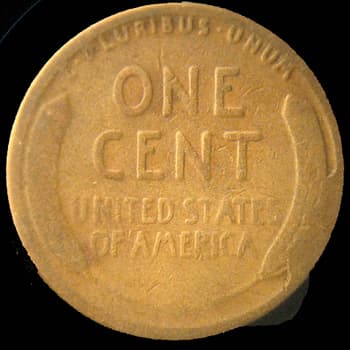
More Retained Cud Errors
Collector Essentials
Tools for examining and preserving error coins and die varieties.
10x-20x Jeweler's Loupe
Essential for examining die varieties, doubled dies, and RPMs
Cherry Picker's Guide
The definitive reference for U.S. error coins and die varieties
2x2 Coin Flips & Holders
Protect and organize your finds with archival-quality holders
USB Digital Microscope
Capture detailed images for documentation and community submissions
As an Amazon Associate, NumisDex earns from qualifying purchases.