
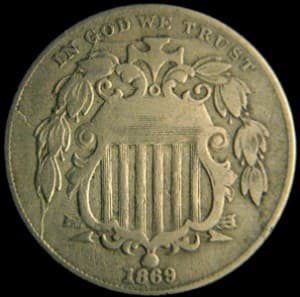
RCD-5c-1869-07 Retained Cud
Error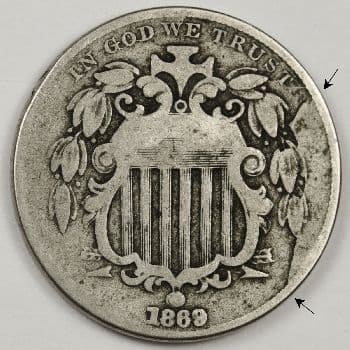
Description
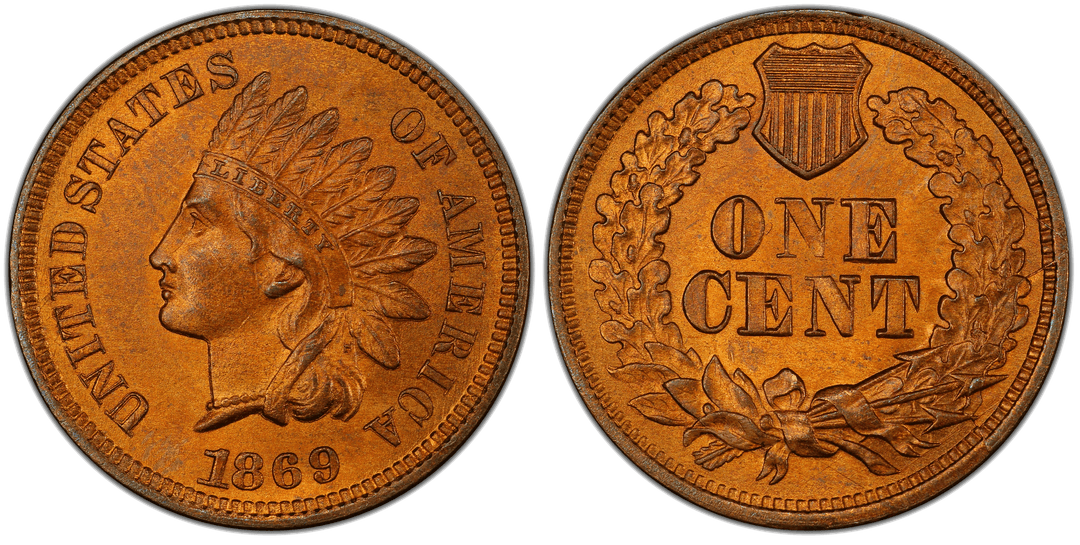
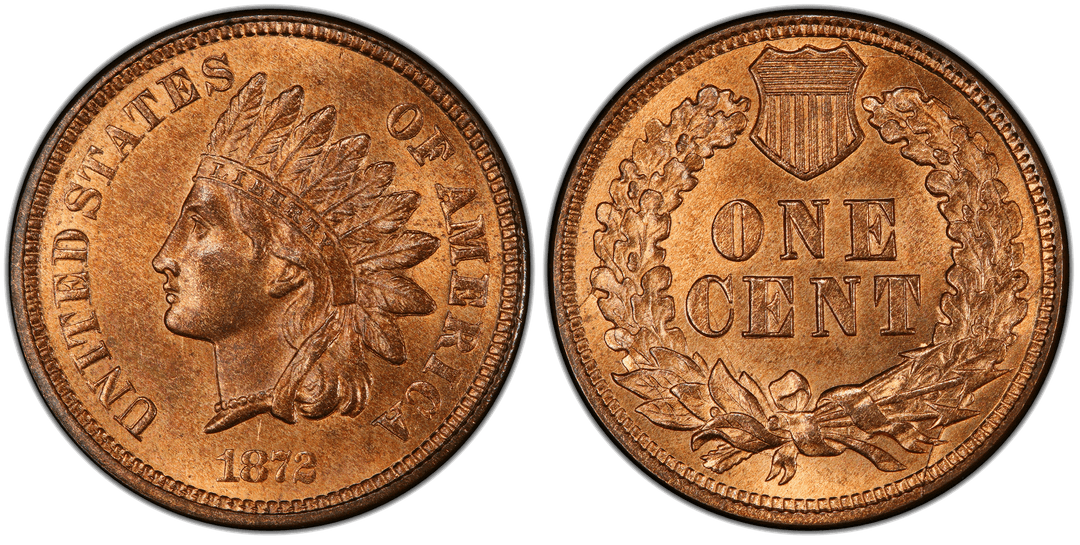
Bearing sequence number seven for the 1869 date, RCD-5c-1869-07 documents yet another working die that developed a retained rim break during Shield Nickel production at the Philadelphia Mint. The high sequence number — at least seven retained cuds cataloged for a single year — underscores how aggressively the hard nickel alloy wore through dies. Each numbered entry in the catalog represents a distinct working die with its own crack geometry, meaning RCD-07 shows a fracture in a different location or with a different extent than RCD-05 or RCD-08 from the same year. Retained cuds occupy a middle position in the hierarchy of die breaks: less dramatic than a full cud where the die piece separates entirely and leaves a featureless raised mass, but more advanced than a simple die crack that has not yet reached the rim. The retained fragment continues striking coins but produces progressively deteriorating impressions in the affected area as repeated blows cause the cracked piece to shift further. James B. Longacre designed the Shield Nickel series, which debuted in 1866 as the first five-cent nickel coin, replacing the earlier half dime. Struck at 5.0 grams in 75% copper and 25% nickel. The catalog code follows Cuds on Coins format: RCD for retained cud, 5c for denomination, 1869 for year, and 07 as the sequence number.
Attribution History
- Discovered by theconsignmenthub on ebay
- Expert attribution by Cuds on Coins
External References
Community & Reference
Related Errors

More Retained Cud Errors
Collector Essentials
Tools for examining and preserving error coins and die varieties.
10x-20x Jeweler's Loupe
Essential for examining die varieties, doubled dies, and RPMs
Cherry Picker's Guide
The definitive reference for U.S. error coins and die varieties
2x2 Coin Flips & Holders
Protect and organize your finds with archival-quality holders
USB Digital Microscope
Capture detailed images for documentation and community submissions
As an Amazon Associate, NumisDex earns from qualifying purchases.