
PC-2c-1865-08R Pre-Cud
Error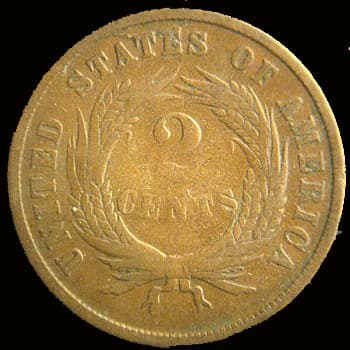
Description
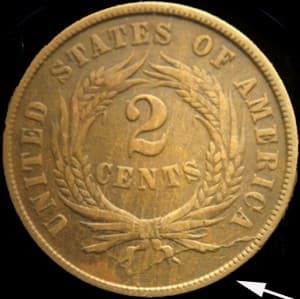
Documented by the Cuds on Coins attribution service, PC-2c-1865-08R records the eighth identified reverse pre-cud on the 1865 Two Cent Piece — a denomination that holds a unique place in American numismatic history as the first United States coin to bear the motto IN GOD WE TRUST. The designation follows the standard naming convention: PC for pre-cud, 2c for the two-cent denomination, 1865 for the date, and 08R indicating the eighth reverse pre-cud cataloged for this issue. James B. Longacre designed the Two Cent Piece with a prominent shield and arrows on the obverse beneath the debut of the national motto, while the reverse features a wheat wreath encircling the denomination 2 CENTS. Philadelphia struck approximately 13.64 million Two Cent Pieces in 1865, the second year of the denomination's brief life (1864-1873), during the final months of the Civil War and the period of reconstruction that followed. Eight documented reverse pre-cuds for a single date constitutes a substantial census for this relatively low-mintage denomination, suggesting either that the bronze alloy (95% copper, 5% tin and zinc) and the design's relief characteristics created conditions conducive to die rim cracking, or that collectors have scrutinized this date with particular intensity. Pre-cuds develop when die steel begins to fracture near the rim — the zone of maximum mechanical stress during striking — producing a raised but still-connected area on struck coins that presages the full cud that would develop if the die continued in service. The Two Cent Piece's relatively thick planchet and bold design relief may have contributed to elevated striking pressures that accelerated die fatigue compared to thinner denominations. No cross-references to other attribution systems are currently documented for this variety. Collectors should examine the reverse rim area under moderate magnification for the characteristic raised zone that marks the developing die fracture.
Attribution History
- Discovered by Chuck Newman
- Expert attribution by Cuds on Coins
External References
Community & Reference
Related Errors



More Pre-Cud Errors


Collector Essentials
Tools for examining and preserving error coins and die varieties.
10x-20x Jeweler's Loupe
Essential for examining die varieties, doubled dies, and RPMs
Cherry Picker's Guide
The definitive reference for U.S. error coins and die varieties
2x2 Coin Flips & Holders
Protect and organize your finds with archival-quality holders
USB Digital Microscope
Capture detailed images for documentation and community submissions
As an Amazon Associate, NumisDex earns from qualifying purchases.