
PC-1c-1863-02R Pre-Cud
Error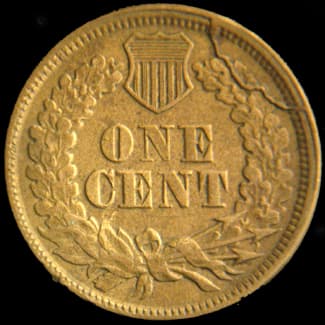
Description
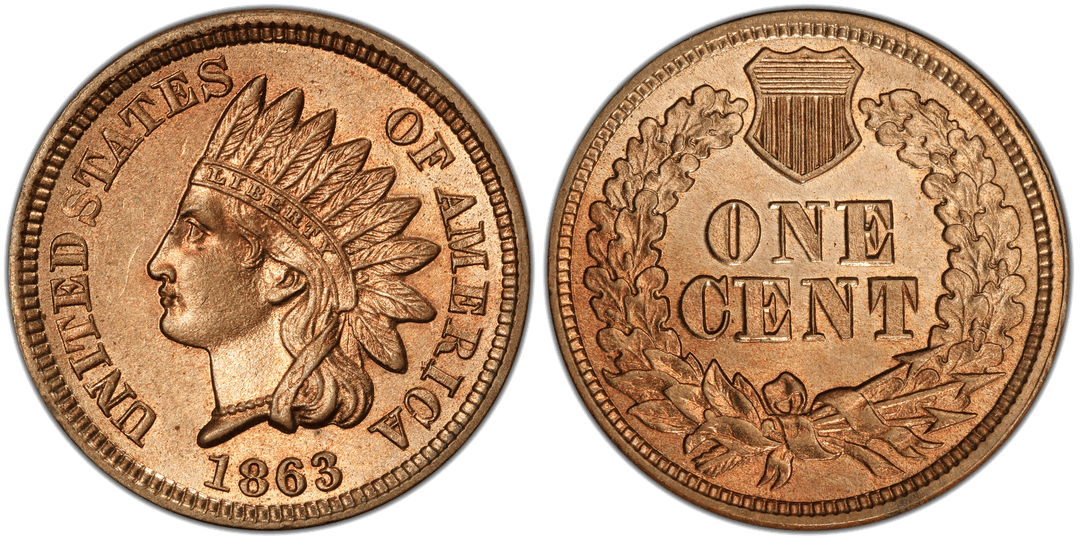
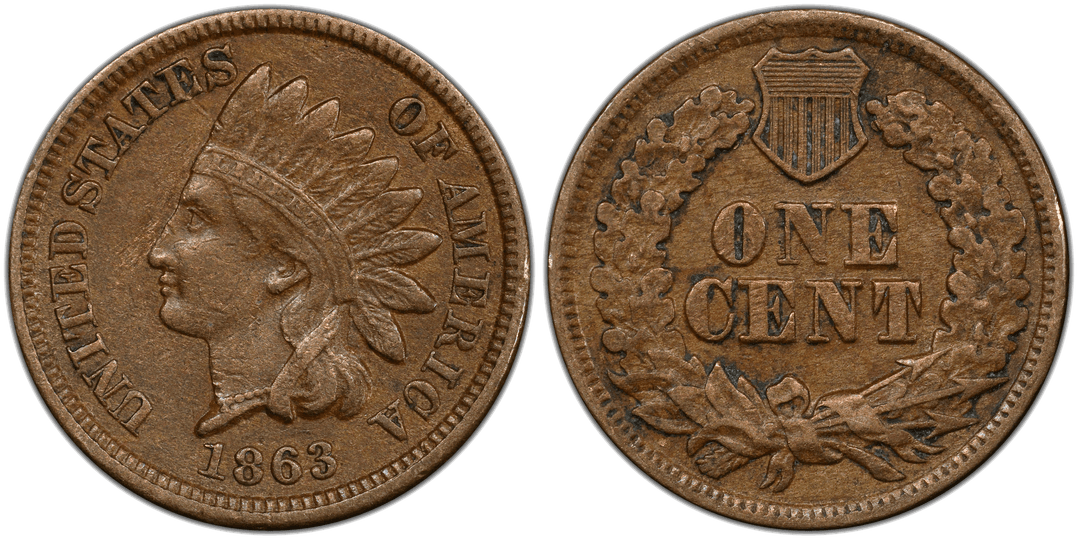
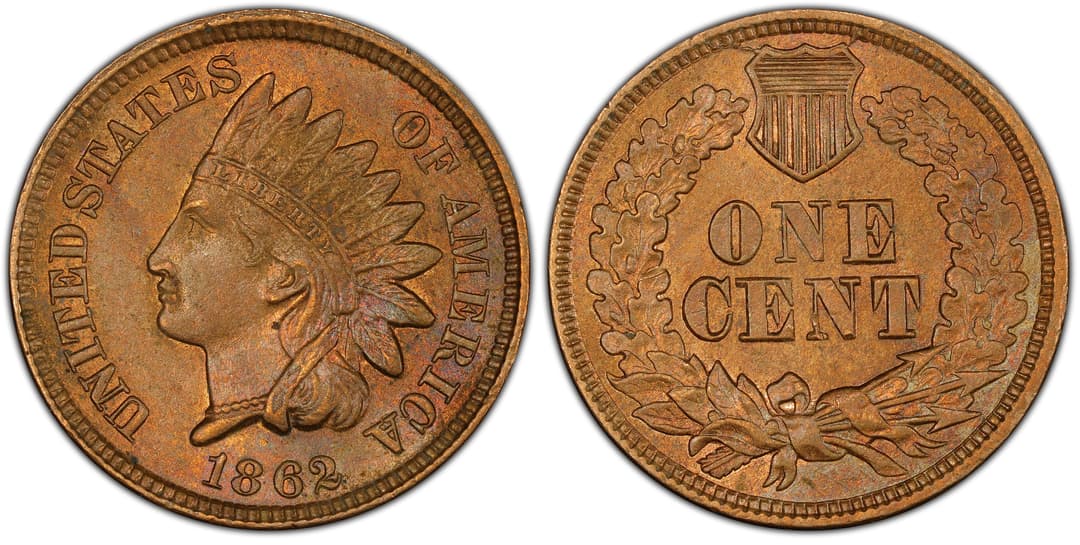
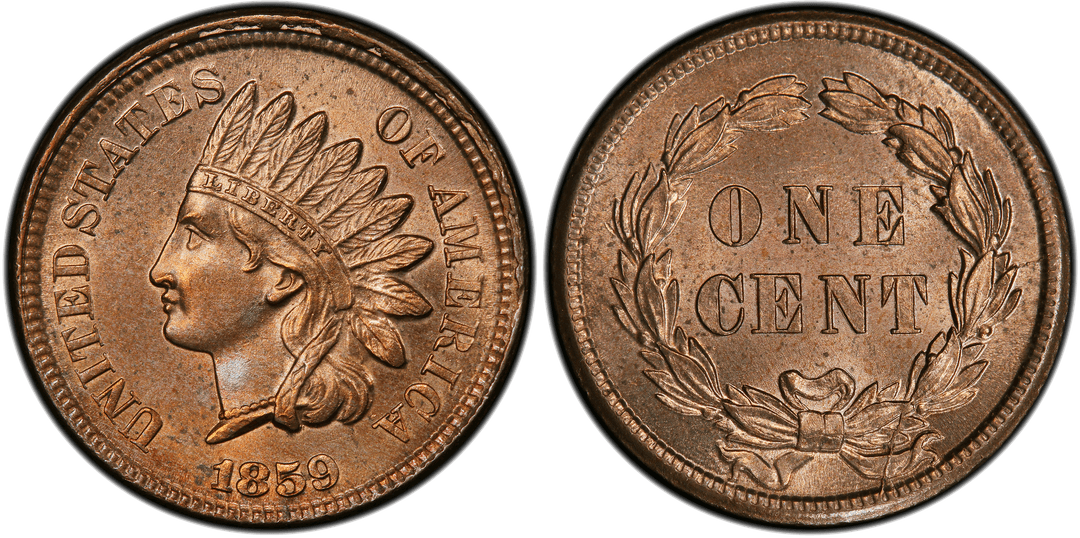
Forming part of an extensive die failure census, PC-1c-1863-02R records the second identified reverse pre-cud on the 1863 Indian Head cent — joining an extensive census of pre-cud varieties for this Civil War-era date that reaches at least ten documented instances (including PC-1c-1863-10R). The designation follows the standard naming convention: PC for pre-cud, 1c for the one-cent denomination, 1863 for the date, and 02R indicating the second cataloged reverse pre-cud. James B. Longacre's Indian Head cent design features Liberty wearing a Native American headdress on the obverse and an oak wreath with shield encircling ONE CENT on the reverse — the design type introduced in 1860 that replaced the original laurel wreath reverse. Philadelphia struck approximately 49.84 million Indian Head cents in 1863, a significant production increase driven by wartime demand for small-denomination coinage as silver and gold coins disappeared from circulation due to widespread hoarding. The copper-nickel composition (88% copper, 12% nickel) used during 1860-1864 created harder planchets than the bronze alloy adopted the following year, imposing greater mechanical stress on working dies during each strike cycle and potentially accelerating the rim-area cracking that produces pre-cuds. Pre-cuds represent the earliest detectable phase of die rim failure — the steel has begun to fracture where the outward metal flow during striking creates maximum pressure against the die edge and collar, but the crack has not yet opened enough to allow planchet metal to extrude into the gap. The resulting raised, slightly irregular area on the struck coin marks the location of the incipient fracture, providing a forensic record of die deterioration. The depth of the 1863 pre-cud census suggests this date's dies were particularly susceptible to rim fracturing, whether from the demanding copper-nickel composition, extended die service during high-volume wartime production, or concentrated specialist research.
Attribution History
- Discovered by David Elliot
- Expert attribution by Cuds on Coins
External References
Community & Reference
Related Errors
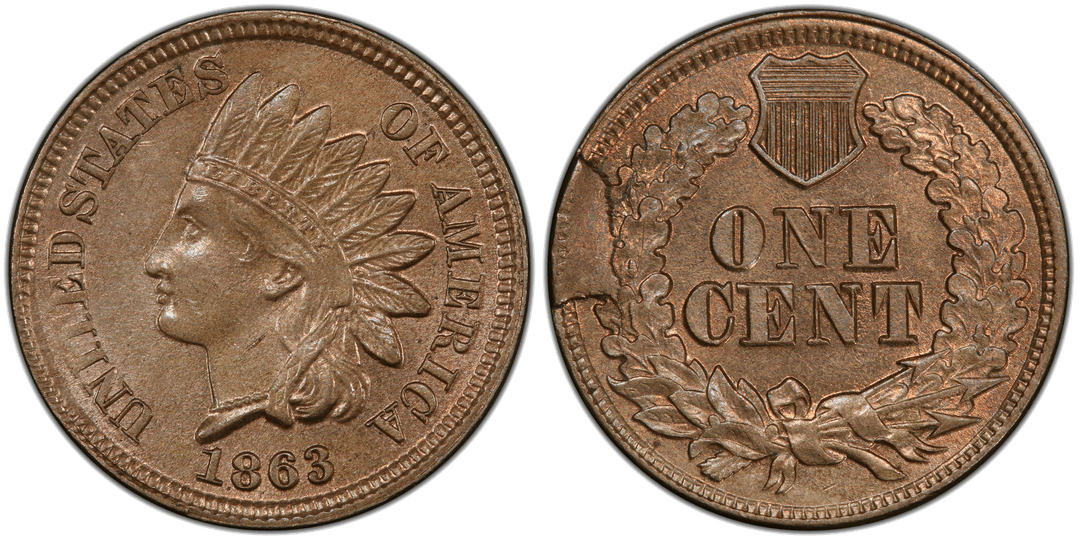
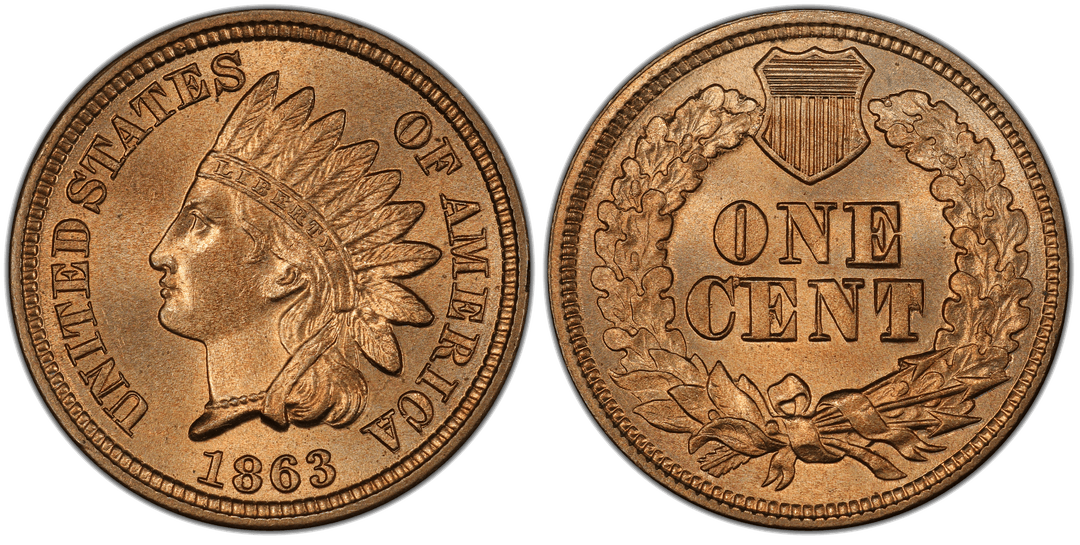
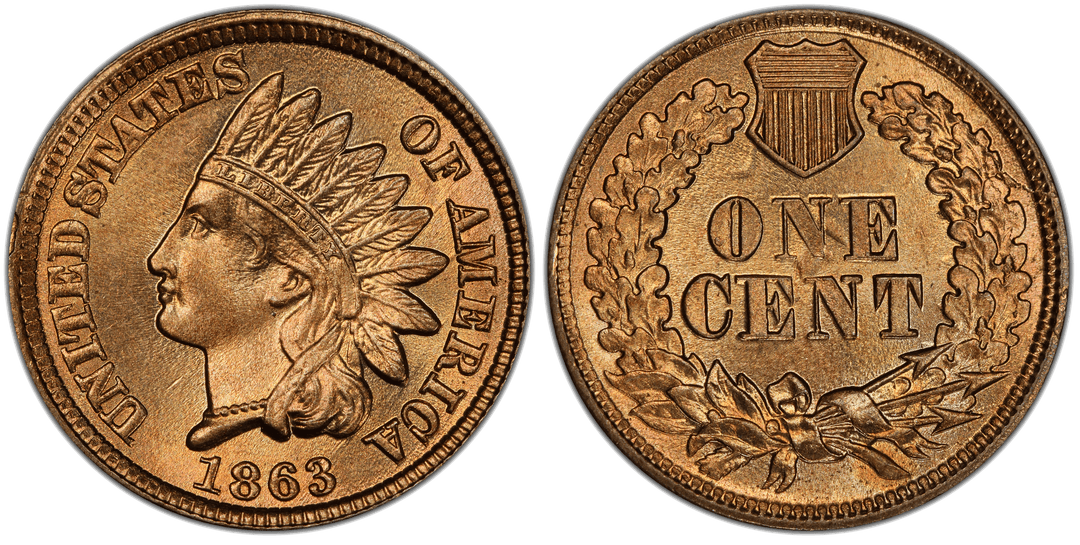
More Pre-Cud Errors
Collector Essentials
Tools for examining and preserving error coins and die varieties.
10x-20x Jeweler's Loupe
Essential for examining die varieties, doubled dies, and RPMs
Cherry Picker's Guide
The definitive reference for U.S. error coins and die varieties
2x2 Coin Flips & Holders
Protect and organize your finds with archival-quality holders
USB Digital Microscope
Capture detailed images for documentation and community submissions
As an Amazon Associate, NumisDex earns from qualifying purchases.