
CU-25c-1806-01R Cud
Error
Description
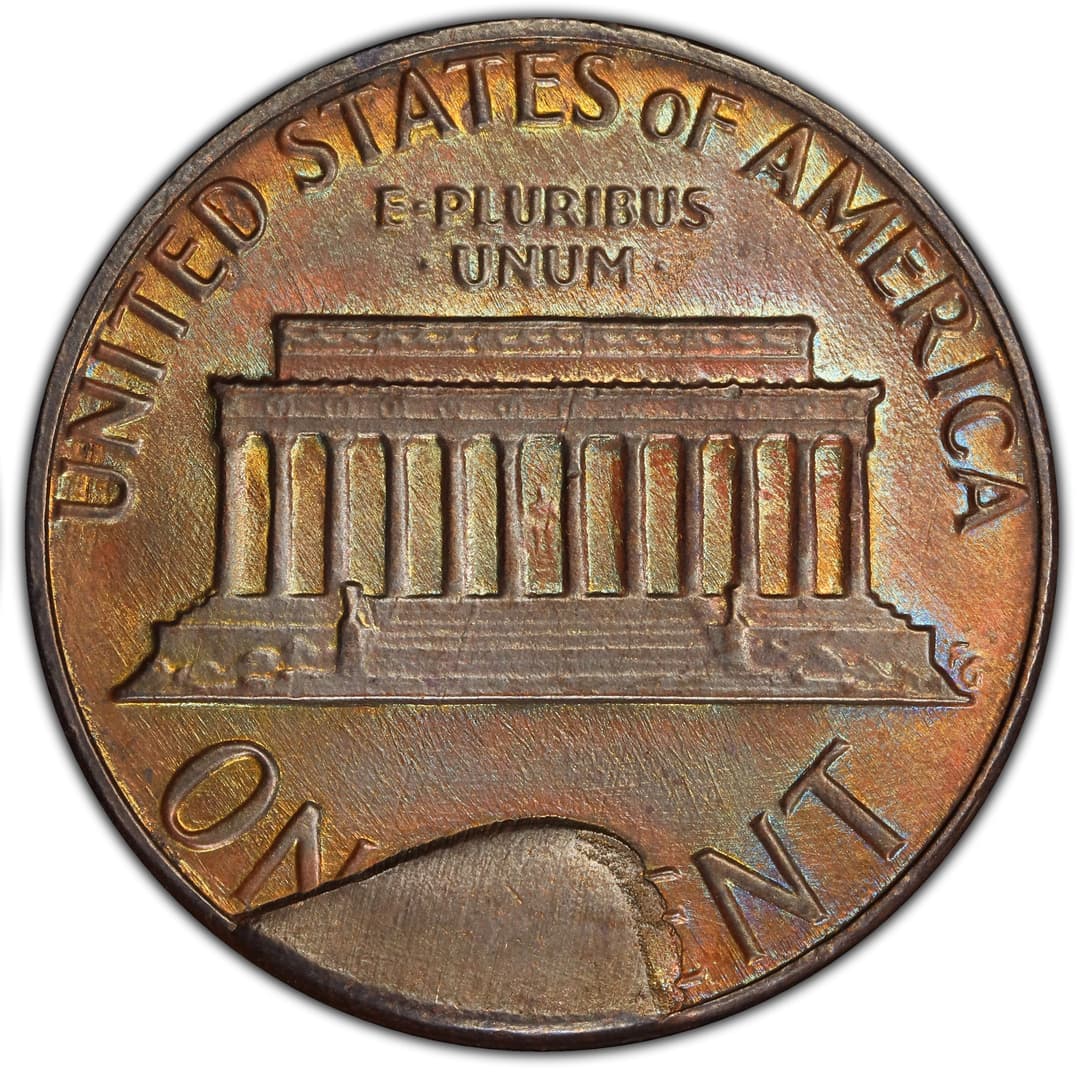
Among the earliest American quarters to exhibit a documented cud error, this reverse rim cud on the 1806 Draped Bust Quarter records a die failure from the first decade of United States coinage. A cud forms when a section of the die rim fractures and separates entirely, leaving a cavity that fills with metal under striking pressure to produce a raised featureless blob at the coin's edge. The "R" suffix designates this as a reverse cud, affecting the heraldic eagle side of Robert Scot's Draped Bust design. Draped Bust Quarters were struck only from 1796 through 1807 in limited quantities, making any die variety from this series exceptionally scarce. The low mintages of early federal coinage meant fewer dies were consumed per year, yet the relatively primitive die steel and hand-operated screw presses of the era subjected each die to considerable stress. That a rim fracture severe enough to produce a full cud occurred on a quarter dollar die from 1806 speaks to the mechanical demands placed on early Mint equipment. Cataloged as CU-25c-1806-01R by Cuds on Coins, this variety stands as one of the oldest denominations represented in the cud catalog.
Attribution History
- Discovered by DavidKahnRareCoins on ebay
- Expert attribution by Cuds on Coins
External References
Community & Reference
More Cud Errors
Collector Essentials
Tools for examining and preserving error coins and die varieties.
10x-20x Jeweler's Loupe
Essential for examining die varieties, doubled dies, and RPMs
Cherry Picker's Guide
The definitive reference for U.S. error coins and die varieties
2x2 Coin Flips & Holders
Protect and organize your finds with archival-quality holders
USB Digital Microscope
Capture detailed images for documentation and community submissions
As an Amazon Associate, NumisDex earns from qualifying purchases.