
RCD-1c-1905-04R and 05R Retained Cud
Error
Description
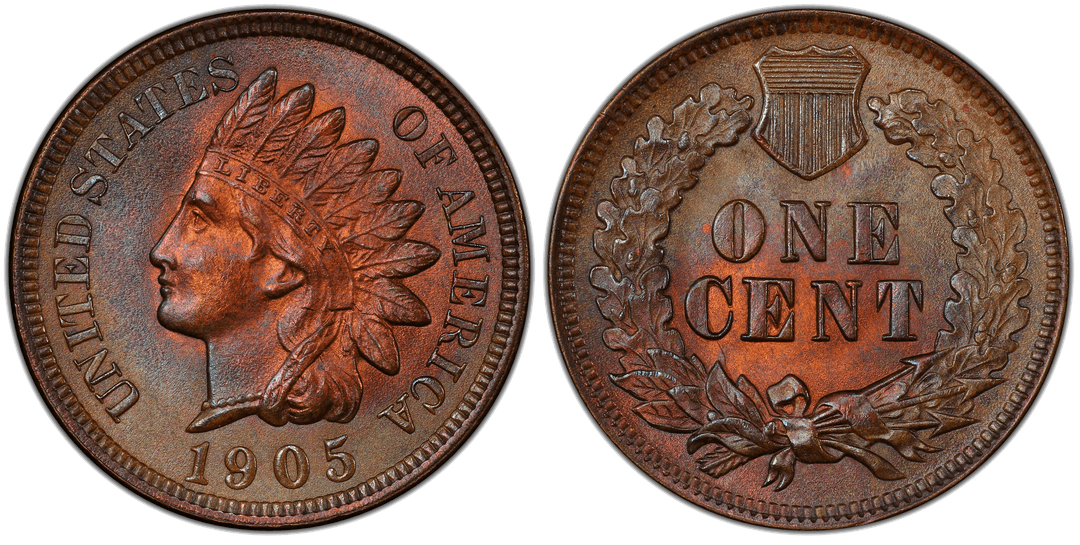
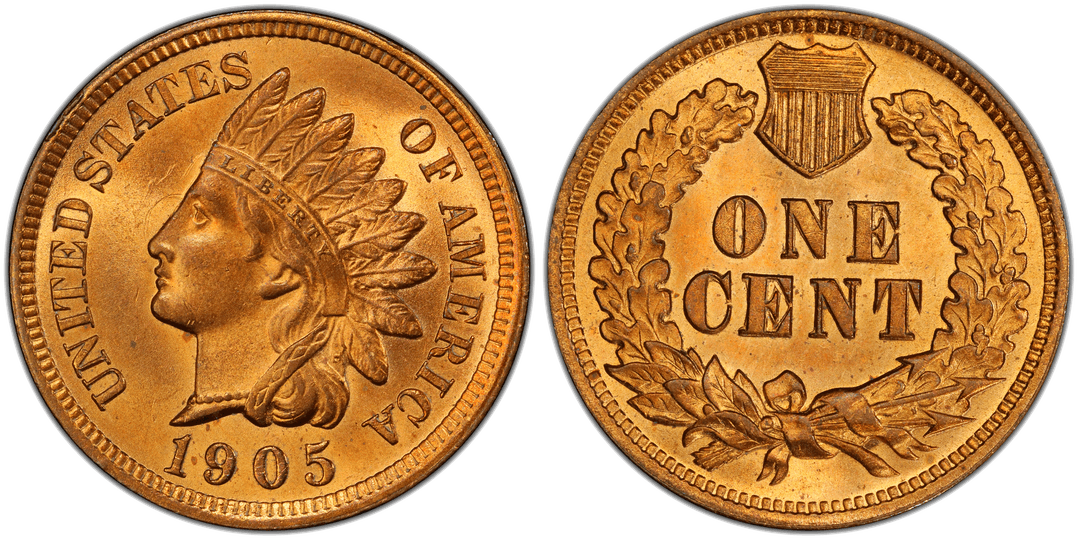
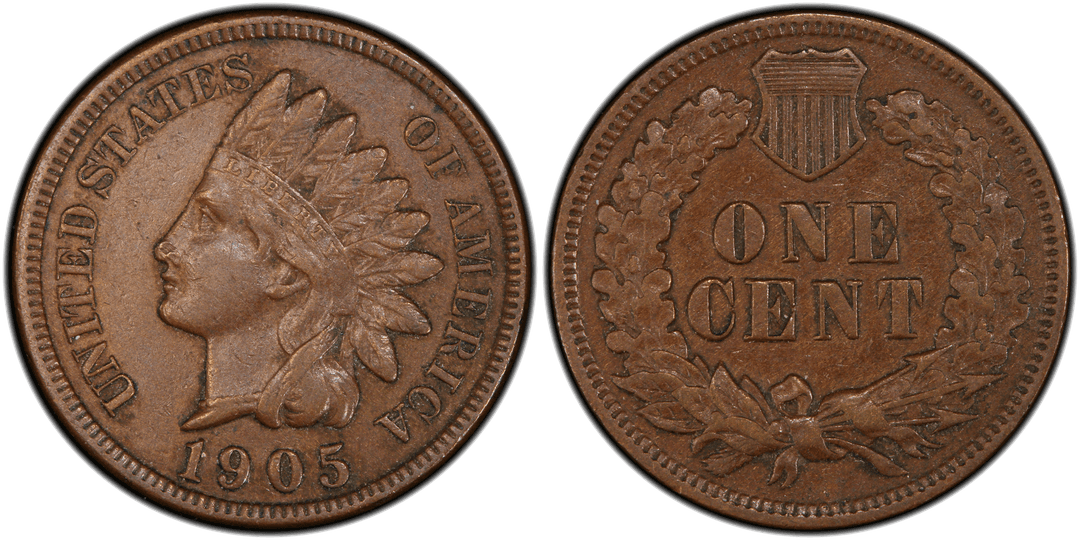
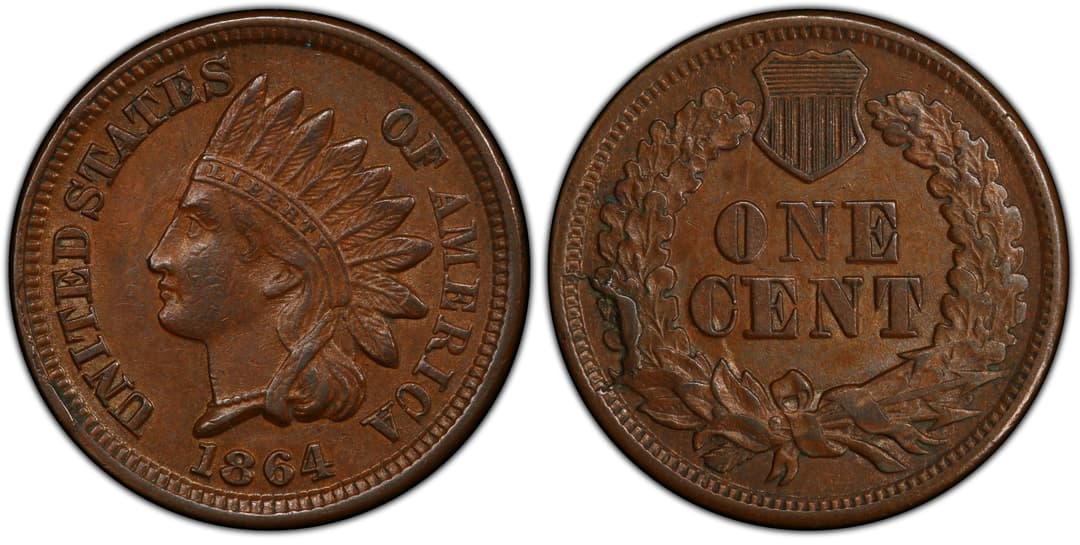
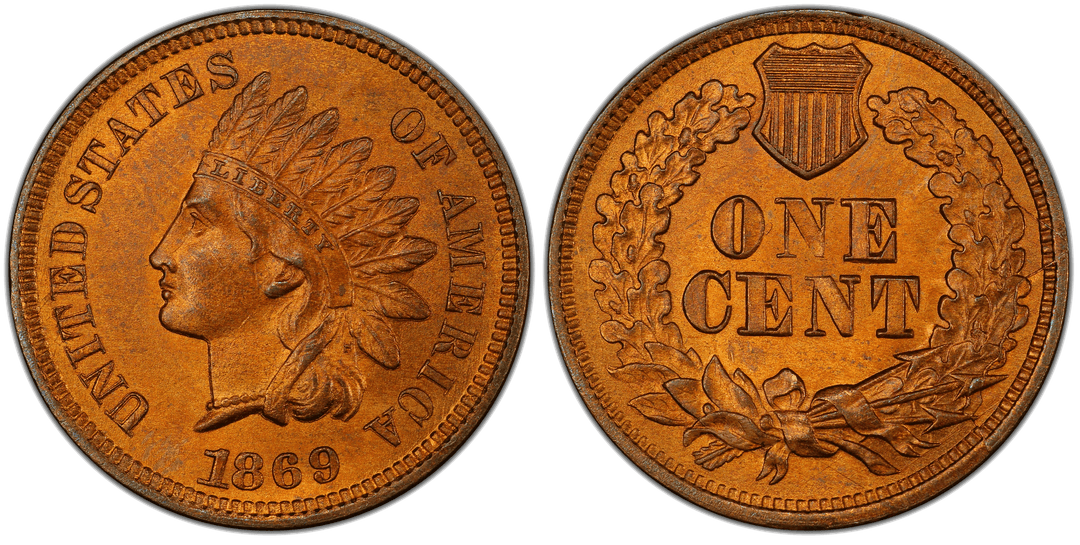
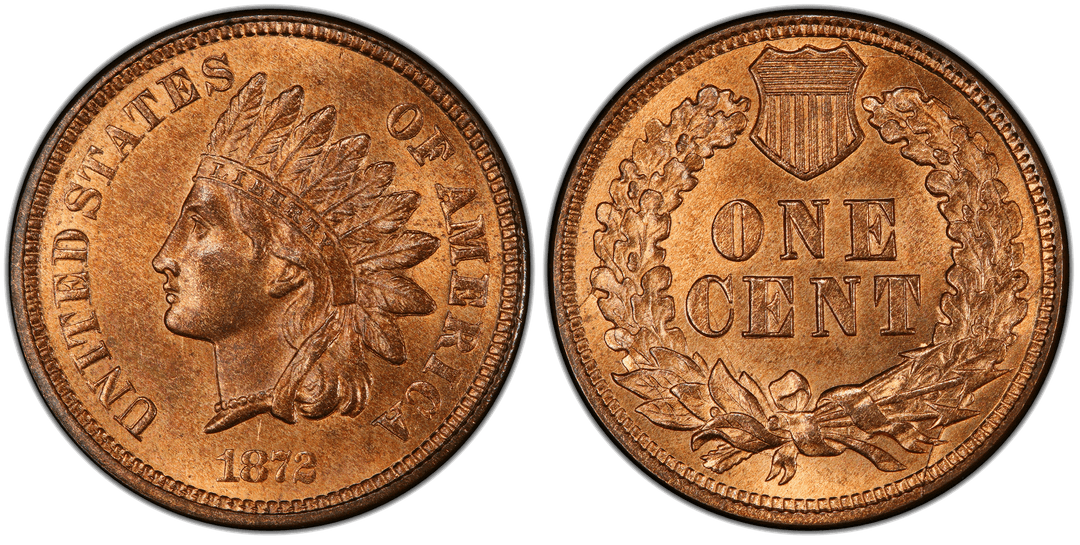
Combining two related retained cud die breaks on a single Indian Head cent die, the RCD-1c-1905-04R and 05R designation from Cuds on Coins documents a pair of rim fractures that developed on the same 1905 working die — each crack identified independently as the fourth and fifth retained cuds cataloged for this date. James B. Longacre's Indian Head cent design, produced from 1859 through 1909, features a profile of Liberty wearing a Native American headdress on the obverse and a laurel wreath encircling ONE CENT on the reverse, a pair of compositions that create substantial rim detail vulnerable to die stress fracturing. Philadelphia struck approximately 80.72 million Indian Head cents in 1905, a robust turn-of-the-century mintage reflecting strong commercial demand for small change during the period of rapid industrial growth. When two retained cuds appear on the same die, they indicate that the working die had developed multiple points of structural failure — each crack propagating inward from the rim at a different clock position — yet the die remained in service long enough to strike an identifiable number of coins before being pulled from the press. The dual designation 04R and 05R uses the R suffix to denote that both breaks are on the reverse die, narrowing the diagnostic search to Longacre's wreath-and-denomination side. Retained cuds produce raised, slightly displaced areas where the fractured die segment pressed into the planchet at a marginally different angle than the intact surrounding surface, creating a tactile and visual anomaly distinguishable from post-strike damage by its consistent reproduction across all coins struck from the same die. Collectors should examine the reverse rim under 5-10x magnification with raking light, looking for two distinct zones of raised irregularity at different positions around the circumference, each accompanied by the subtle design element displacement characteristic of die fracture rather than simple die cracking.
Attribution History
- Discovered by Chuck Newman
- Expert attribution by Cuds on Coins
External References
Community & Reference
Related Errors


More Retained Cud Errors
Collector Essentials
Tools for examining and preserving error coins and die varieties.
10x-20x Jeweler's Loupe
Essential for examining die varieties, doubled dies, and RPMs
Cherry Picker's Guide
The definitive reference for U.S. error coins and die varieties
2x2 Coin Flips & Holders
Protect and organize your finds with archival-quality holders
USB Digital Microscope
Capture detailed images for documentation and community submissions
As an Amazon Associate, NumisDex earns from qualifying purchases.