
Post-1776 States Coinage (1776-1788)
Coin Series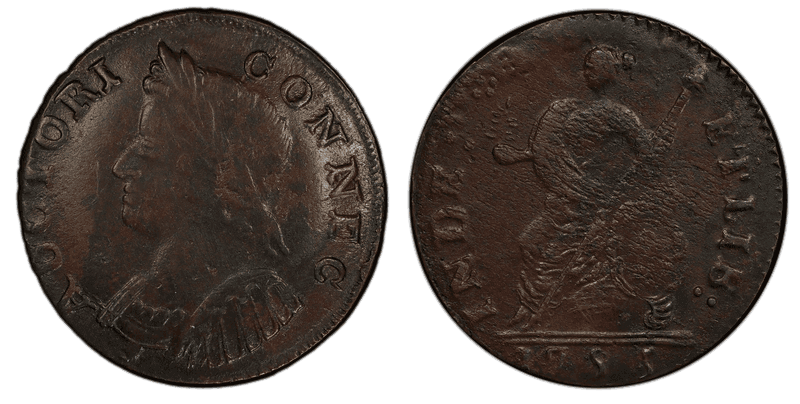
About This Series
Under the Articles of Confederation, which granted no exclusive coining power to the central government, individual states exercised their sovereign authority to produce copper coinage addressing the chronic shortage of small change that plagued post-Revolutionary America. Connecticut led in volume, authorizing copper coinage in 1785 and producing over 350 die varieties cataloged in the Miller reference across four years of production. Massachusetts struck copper cents and half cents in 1787-1788 at a Boston mint. New Jersey's copper coinage (1786-1788) featured a horse head and plow design with NOVA CAESAREA, while Vermont authorized Reuben Harmon Jr. to produce coppers that evolved from landscape to portrait designs. New York's copper coinage program operated in a gray area between authorized state coinage and private token production. These state coinages document a decentralized monetary system — a situation the Constitution's framers remedied by granting exclusive coining authority to the federal government in Article I, Section 8. Die variety collecting is a major pursuit, as the proliferation of dies across multiple contractors created hundreds of distinct combinations. Post-1776 states coinage represents the intersection of monetary necessity, political sovereignty, and private enterprise during America's formative decade.
Browse by Base(6 bases)
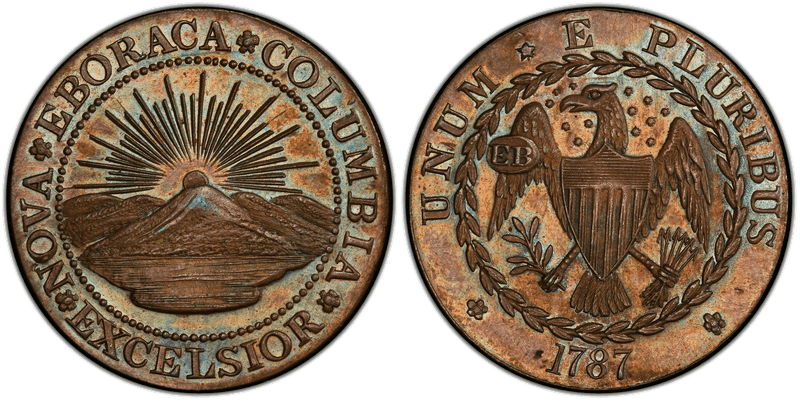
Brasher Gold Coins
Connecticut Copper Coins
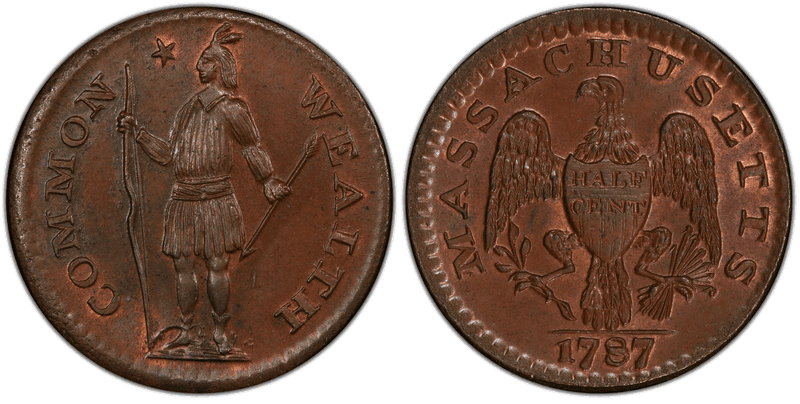
Massachusetts Copper Coins (Official) (1787-1788)
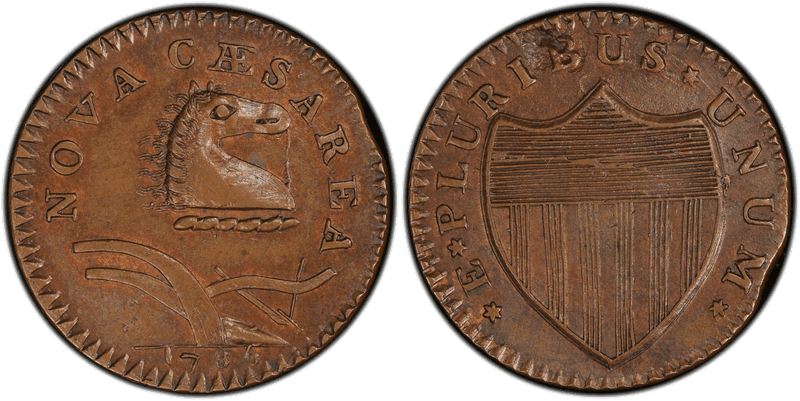
New Jersey Copper Coins

New York Copper Coins
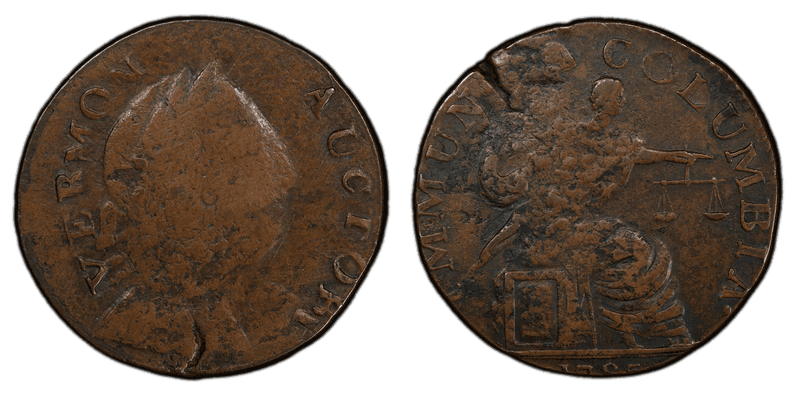
Vermont Copper Coins
Explore Other Denominations
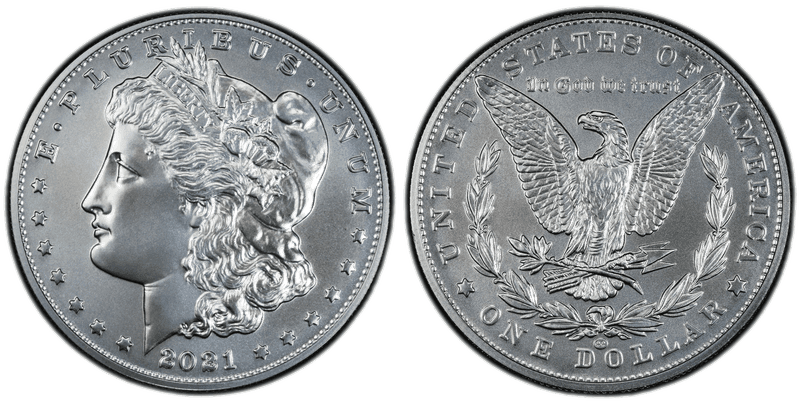
1921 Silver Dollar Anniversary Coins (2021 to Date)
10 base coins
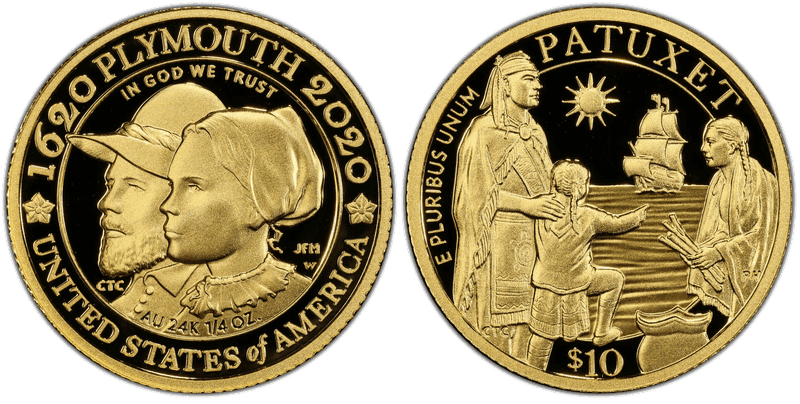
400th Mayflower Anniversary Ten Dollar Gold 2020
1 base coin
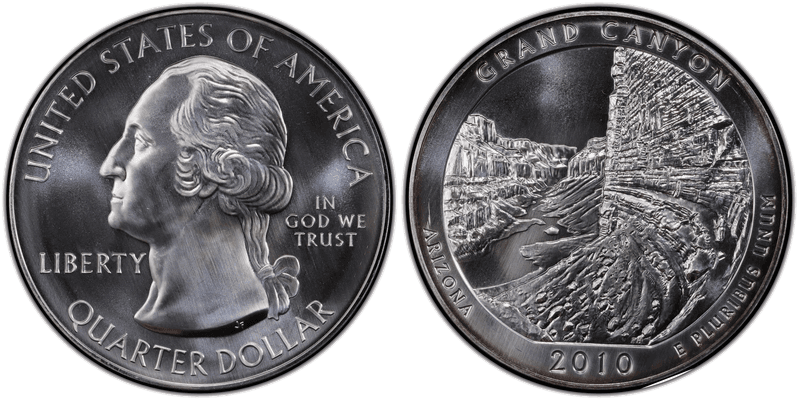
5 oz. America the Beautiful Silver Quarters 2010-2021
12 base coins
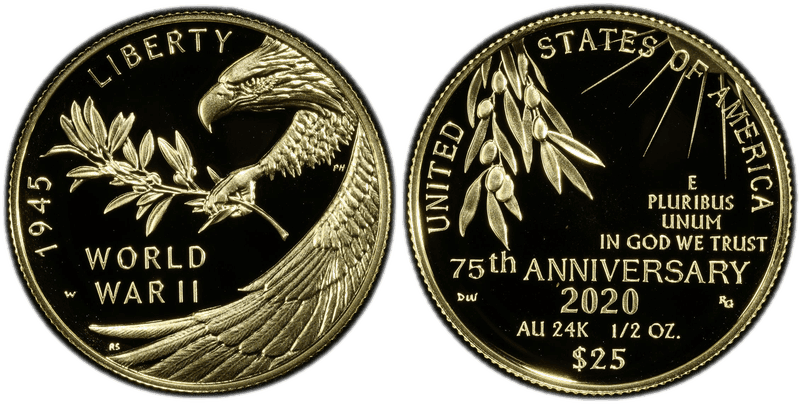
75th World War II Anniversary Twenty Five Dollar Gold 2020
1 base coin
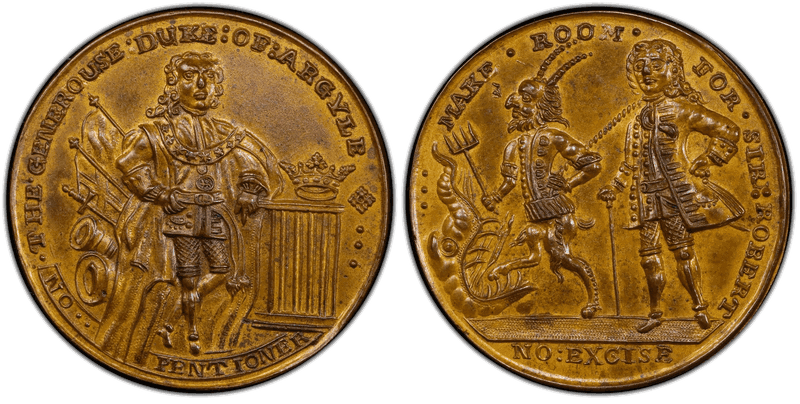
Admiral Vernon Medals
5 base coins
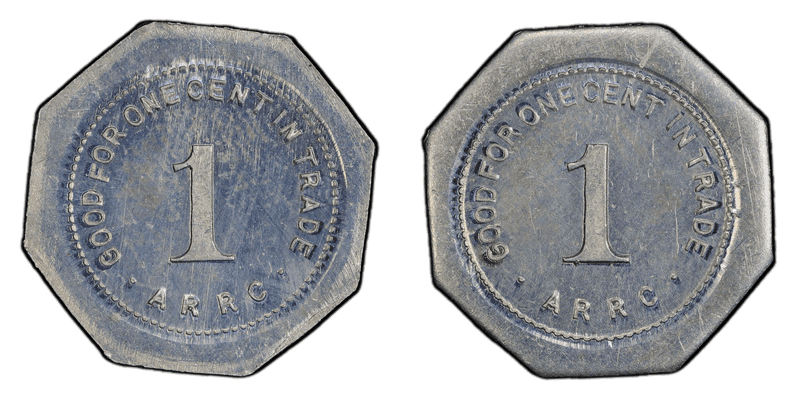
Alaska Rural Rehabilitation Corp. (1935)
1 base coin
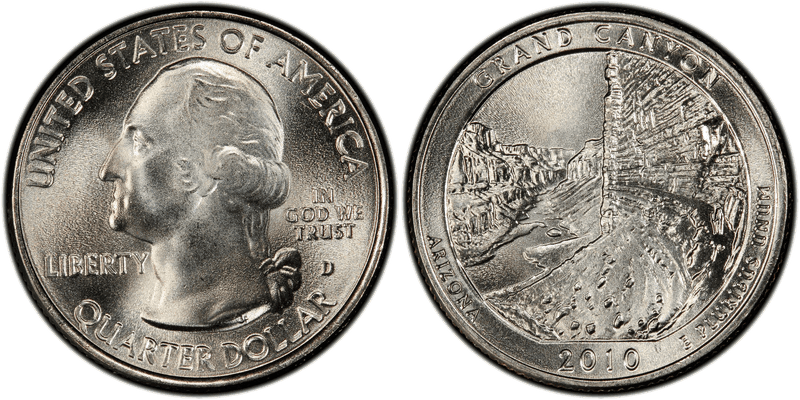
America the Beautiful Quarters 2010-2021
12 base coins
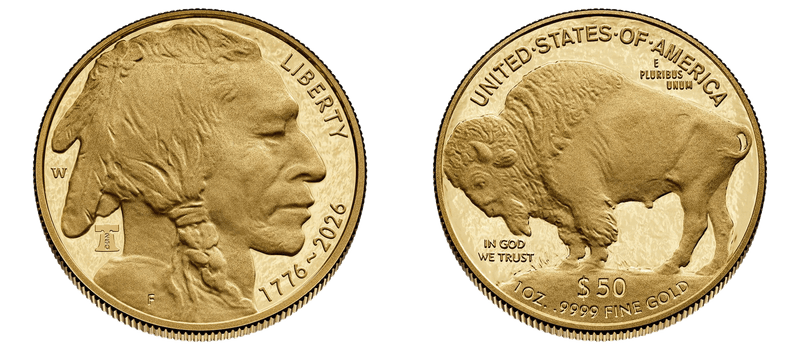
American Buffalo Gold 2006 to Date
21 base coins
Collector Essentials
Tools and references for building and protecting your coin collection.
10x-20x Jeweler's Loupe
A must-have for examining coin details, mint marks, and surface quality
Red Book — Guide to U.S. Coins
The essential annual reference for U.S. coin values, history, and mintages
Coin Albums & Storage
Archival-quality albums and holders to protect and display your collection
USB Digital Microscope
Capture detailed images for documentation and community submissions
As an Amazon Associate, NumisDex earns from qualifying purchases.