
CU-1c-1862-06R Cud
Error
Description
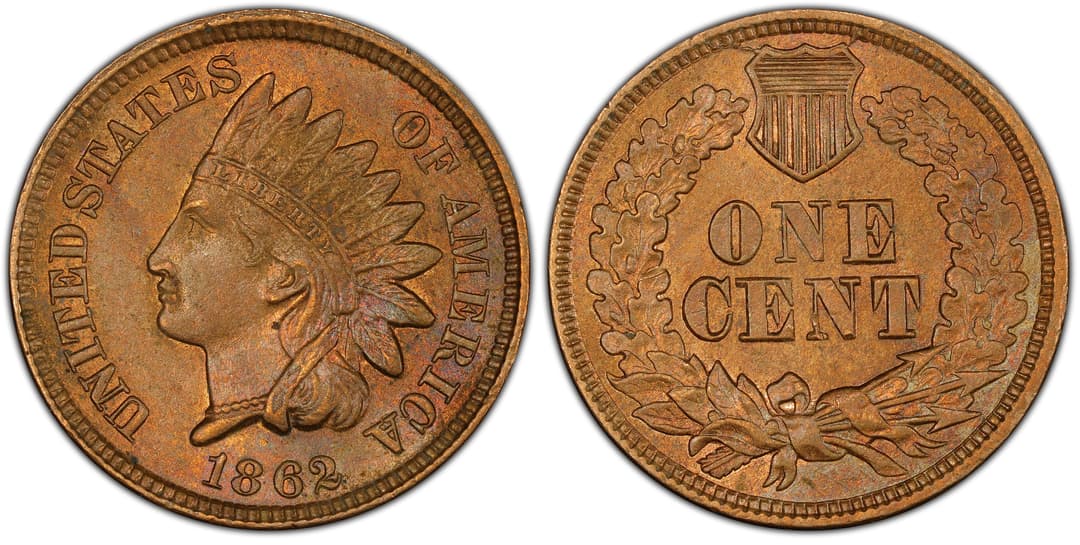
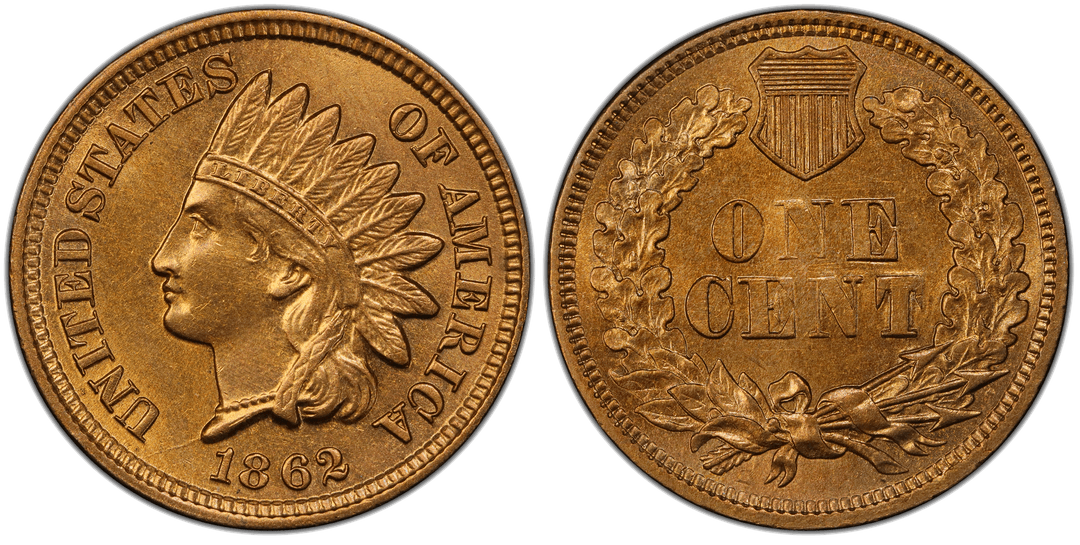
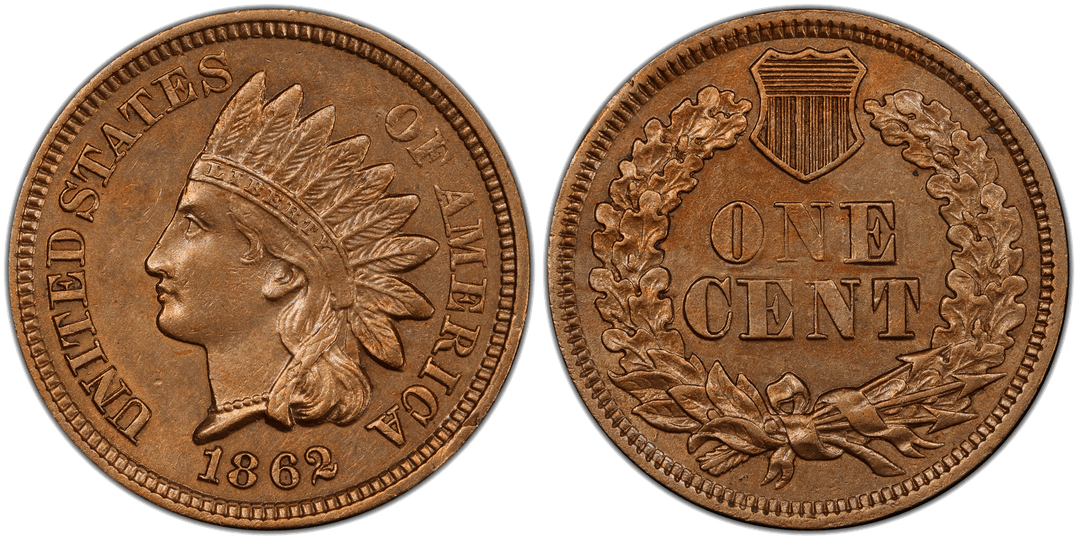
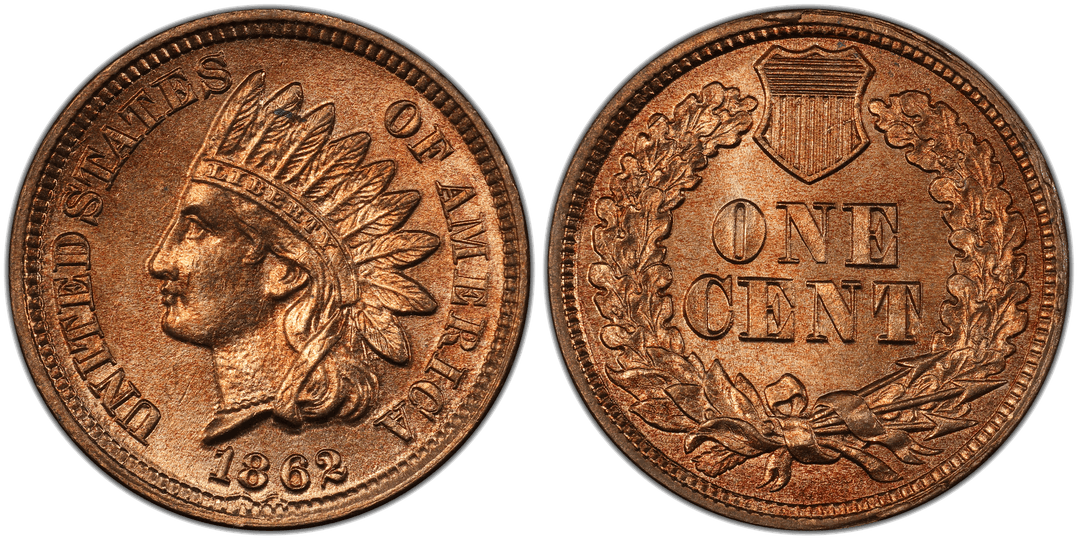
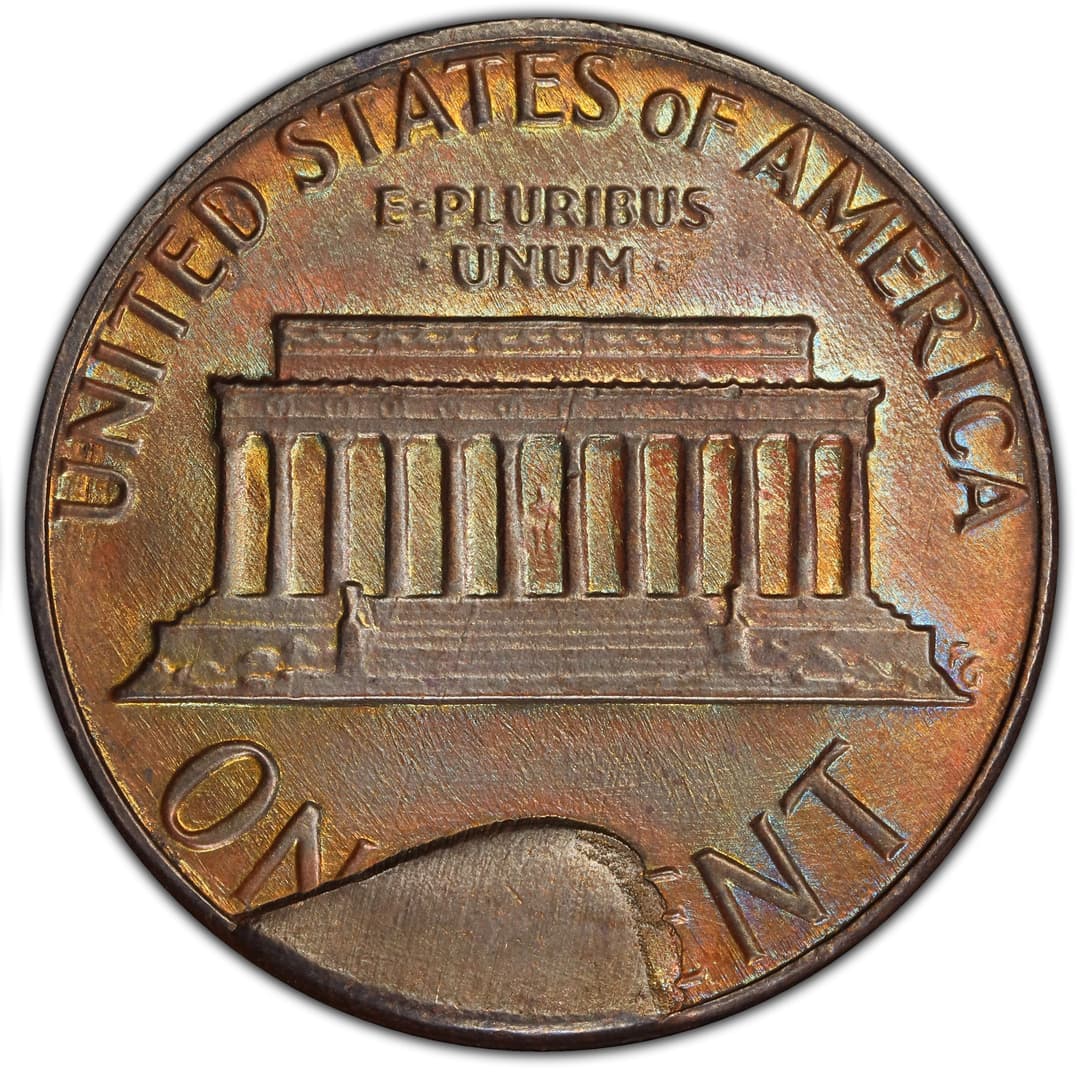
With six documented reverse cuds, the 1862 Indian Head Cent stands out as having one of the highest known reverse cud counts among all dates in the series. CU-1c-1862-06R is the sixth in this remarkable sequence, the "R" suffix identifying it as a reverse die failure. Why did 1862 produce so many? The answer lies in production volume and die longevity: approximately 28.1 million coins were struck at the Philadelphia Mint in copper-nickel alloy, demanding a substantial number of die pairs. Each reverse die had a finite working life before the cumulative stress of repeated striking caused metal fatigue, and rim areas — where the die meets the collar — were particularly vulnerable to fracture. When a section of rim breaks away, the resulting cavity fills with metal during subsequent strikes, producing the characteristic raised featureless mass that defines a cud. Each of the six documented reverse cuds for 1862 fractured at a different position along the rim, making every one a distinct variety. Attribution requires comparison of the cud's location against published reference images. CU-1c-1862-06R is cataloged in the Cuds on Coins reference system.
External References
Community & Reference
Related Errors
More Cud Errors
Collector Essentials
Tools for examining and preserving error coins and die varieties.
10x-20x Jeweler's Loupe
Essential for examining die varieties, doubled dies, and RPMs
Cherry Picker's Guide
The definitive reference for U.S. error coins and die varieties
2x2 Coin Flips & Holders
Protect and organize your finds with archival-quality holders
USB Digital Microscope
Capture detailed images for documentation and community submissions
As an Amazon Associate, NumisDex earns from qualifying purchases.