
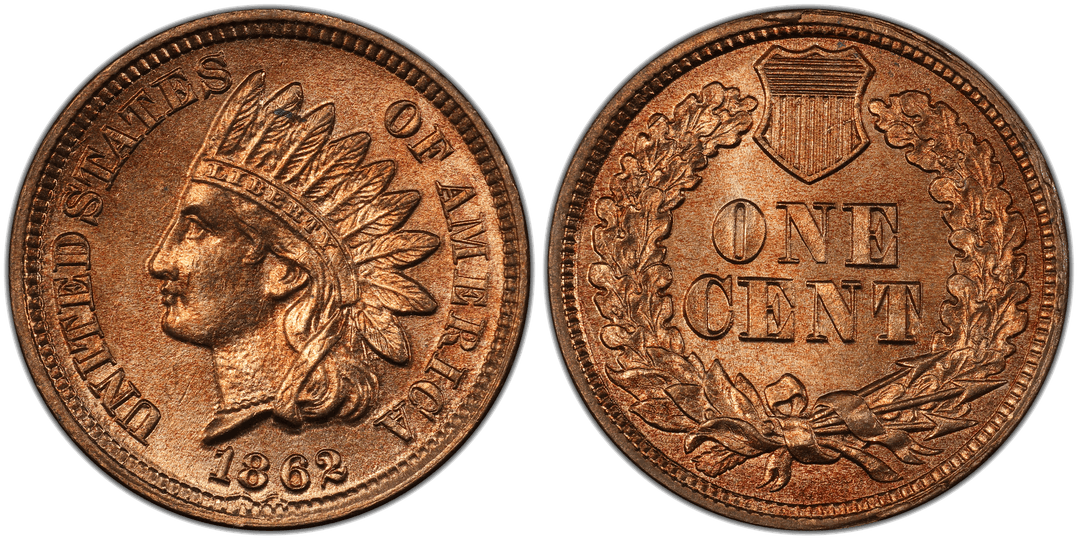
CU-1c-1862-03R Cud
Error
Description
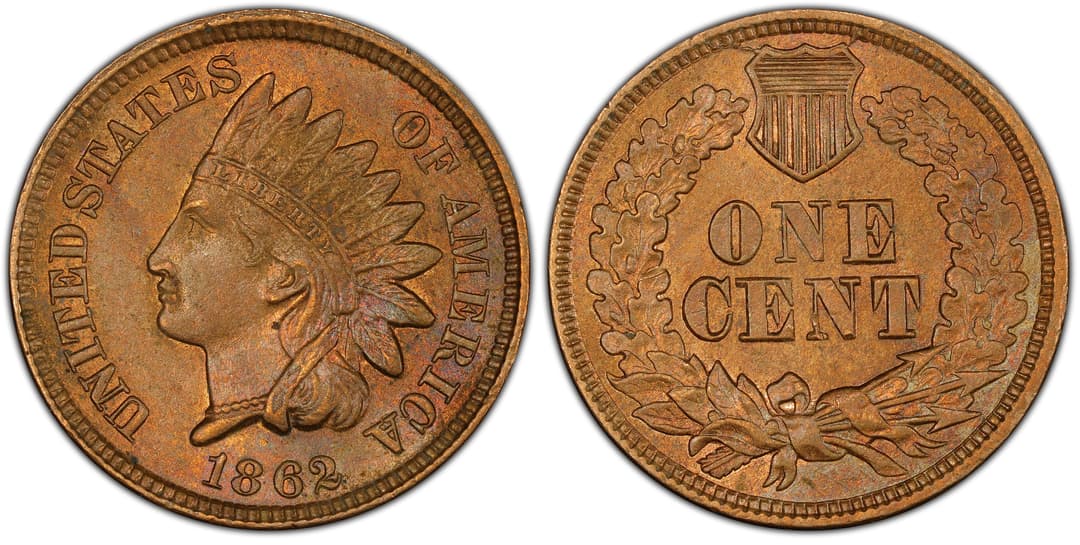
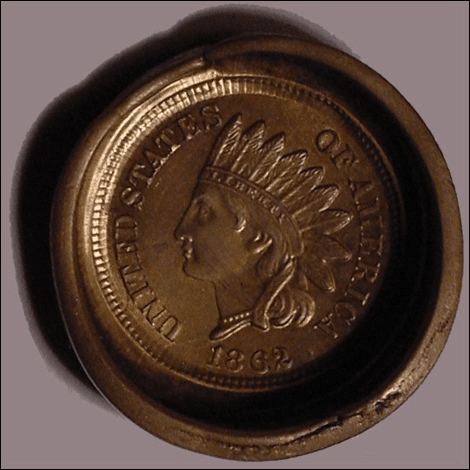
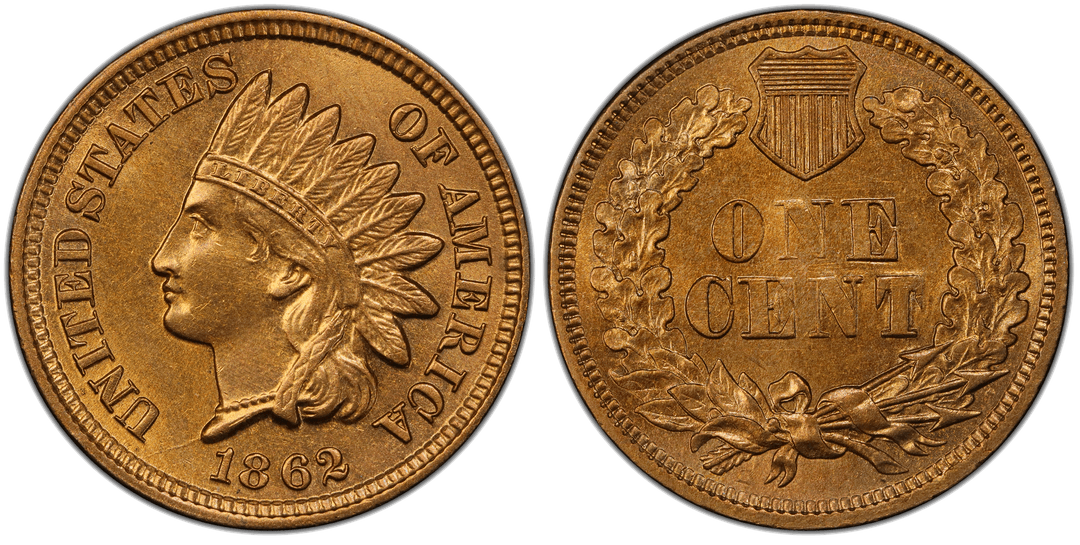
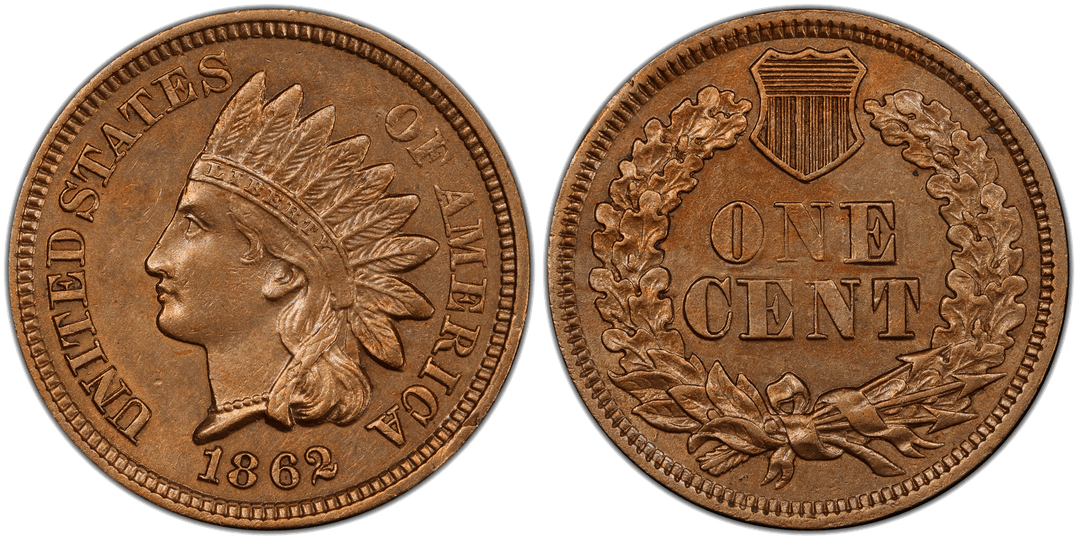
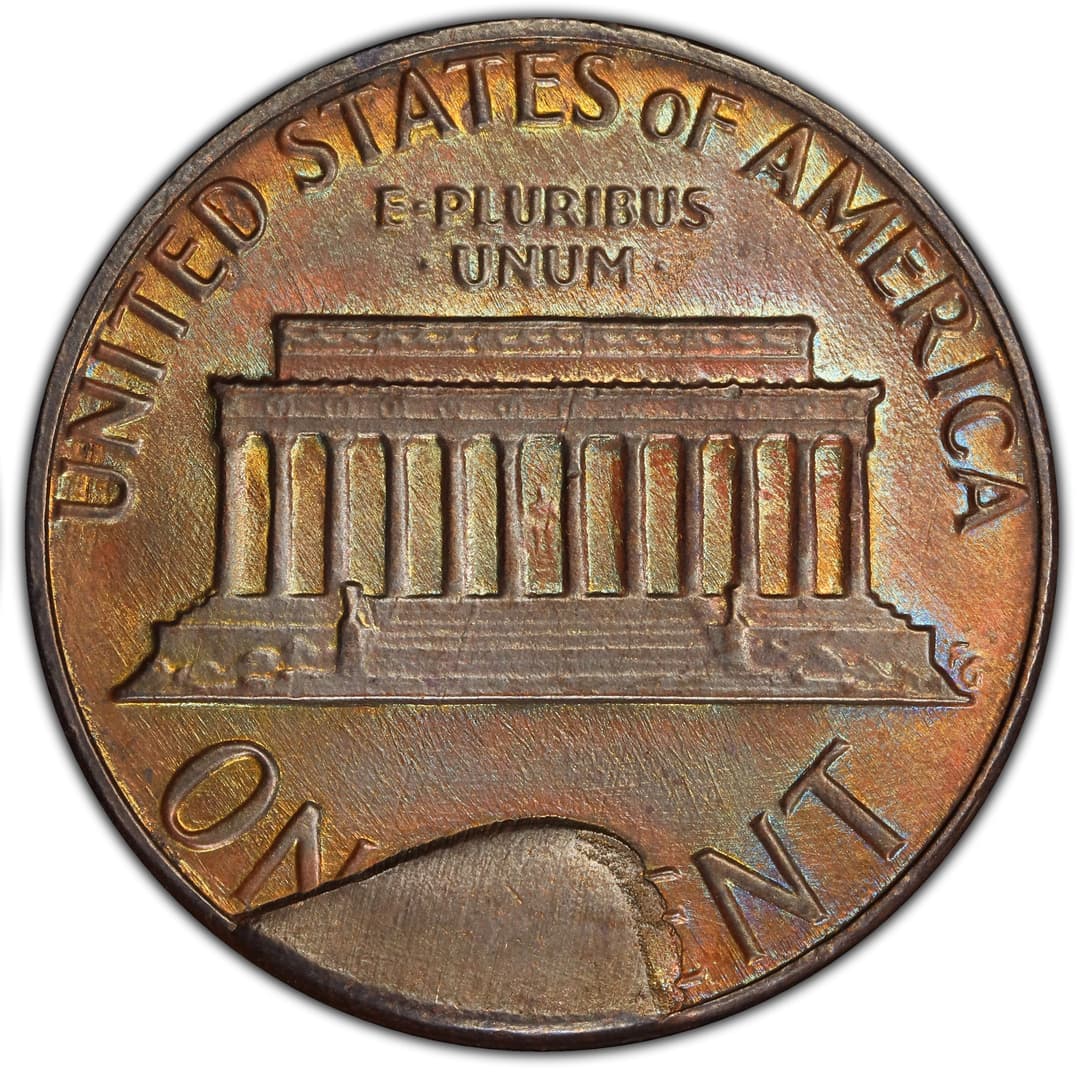
High die consumption rates during 1862 explain why so many reverse cuds survive from this date, and CU-1c-1862-03R is the third in the documented sequence. The "R" suffix identifies this as a reverse die failure. With approximately 28.1 million Indian Head Cents struck at the Philadelphia Mint that year, the facility cycled through a large number of die pairs — and every die that reached its stress limit risked developing rim fractures. The Legal Tender Act of 1862, signed by President Lincoln in February, introduced paper currency as legal tender for most debts, fundamentally altering American monetary policy even as the mint continued producing coins in copper-nickel alloy. A reverse cud forms when a section of the reverse die rim fractures under repeated impact, separates from the die body, and leaves a cavity that fills with metal during subsequent strikes. The raised featureless mass that results sits at a unique position on the coin's reverse, and distinguishing this third cud from the other known 1862 reverse cuds requires precise comparison against reference images. CU-1c-1862-03R is cataloged in the Cuds on Coins reference system.
External References
Community & Reference
Related Errors
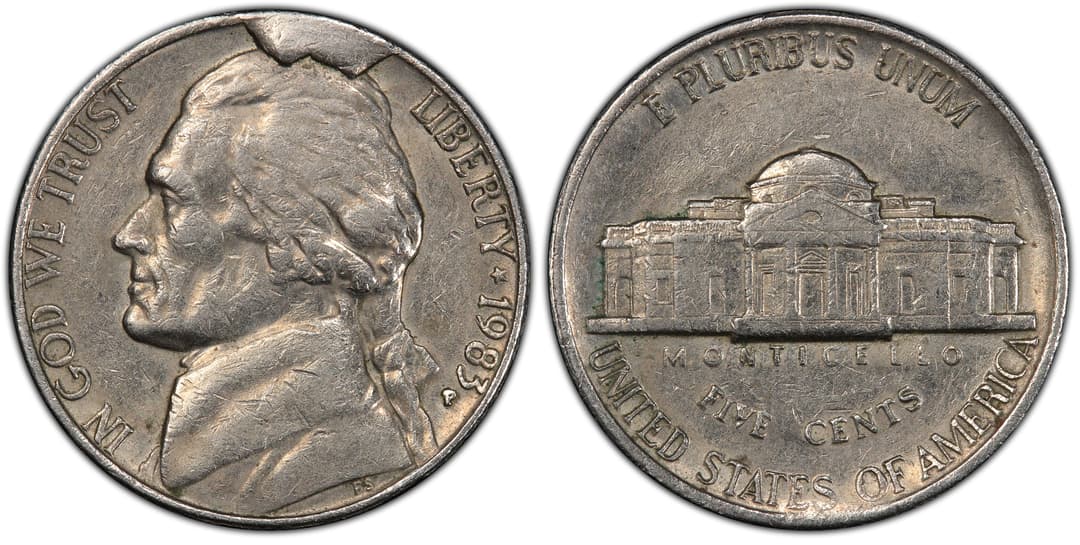
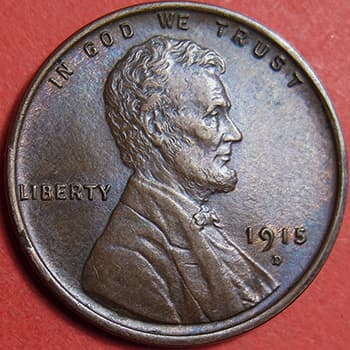
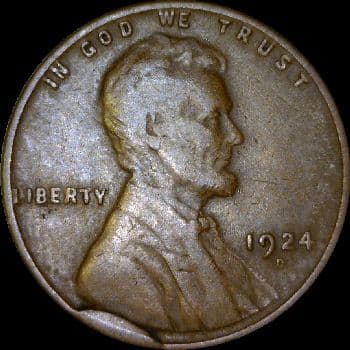
More Cud Errors
Collector Essentials
Tools for examining and preserving error coins and die varieties.
10x-20x Jeweler's Loupe
Essential for examining die varieties, doubled dies, and RPMs
Cherry Picker's Guide
The definitive reference for U.S. error coins and die varieties
2x2 Coin Flips & Holders
Protect and organize your finds with archival-quality holders
USB Digital Microscope
Capture detailed images for documentation and community submissions
As an Amazon Associate, NumisDex earns from qualifying purchases.