
RCD-1c-1951S-03R Retained Cud
Error
Description
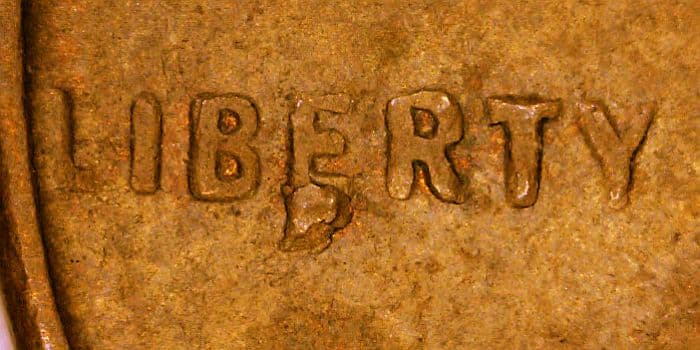
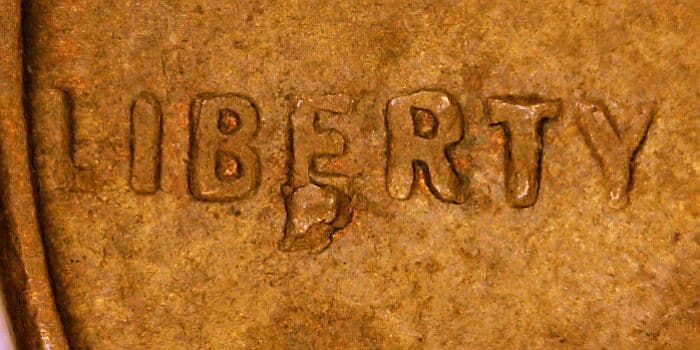
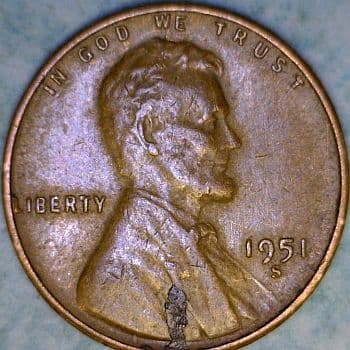
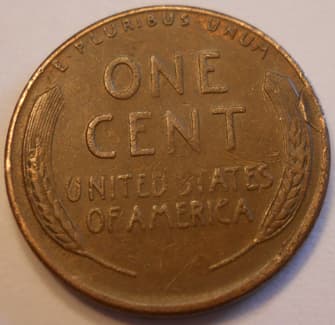
Third reverse retained cud documented for the 1951-S Lincoln wheat cent, RCD-1c-1951S-03R catalogs a die rim fracture from San Francisco's penultimate decade of wheat cent production. San Francisco struck approximately 136.0 million cents in 1951, a year when the postwar economy's demand for circulating coinage remained robust and the wheat cent design was entering its final era before being replaced by Frank Gasparro's Lincoln Memorial reverse in 1959. The designation follows Cuds on Coins conventions: RCD for retained cud, 1c for the cent denomination, 1951S for San Francisco, and 03R marking the third reverse retained cud for this issue. A retained cud occurs when a portion of the die rim fractures from the stress of repeated striking but the broken segment remains attached to the die body, held in place by friction or partial metal connectivity. Unlike a full cud where the broken piece falls away entirely, the retained fragment continues to participate in the striking process — but its displacement from the true die surface means it cannot transfer the full design depth, producing a flat or raised anomaly on every coin it strikes until the die is retired. Victor David Brenner's wheat ears reverse, with its paired stalks, denomination, and motto inscriptions arranged within a bordered field, shows retained cud disturbances most clearly when the fracture intersects the fine grain lines or lettering elements near the rim. Three reverse retained cuds for the 1951-S date represents a modest count compared to high-volume wartime dates, consistent with the standard bronze composition's gentler interaction with die steel versus the aggressive 1943 steel planchets. Collectors can distinguish retained cuds from contact marks or rim bumps by the consistent, repeatable nature of the anomaly — every coin struck from the affected die shows an identical disturbance at the same location.
Attribution History
- Discovered by G
- Cross reference: none. 07/26/2018.
- Expert attribution by Cuds on Coins
External References
Community & Reference
Related Errors
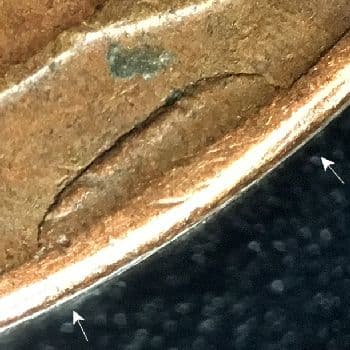
More Retained Cud Errors
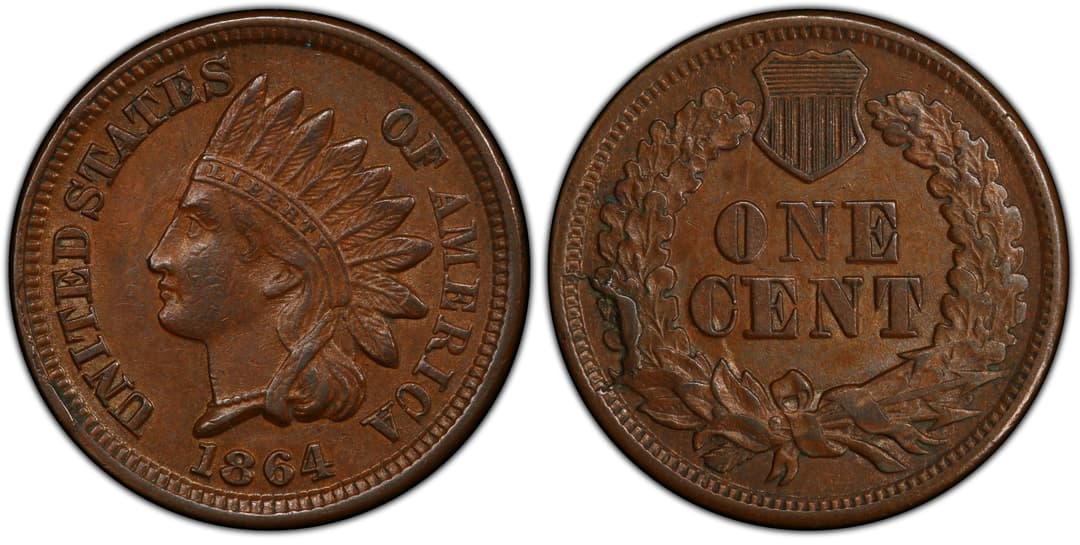
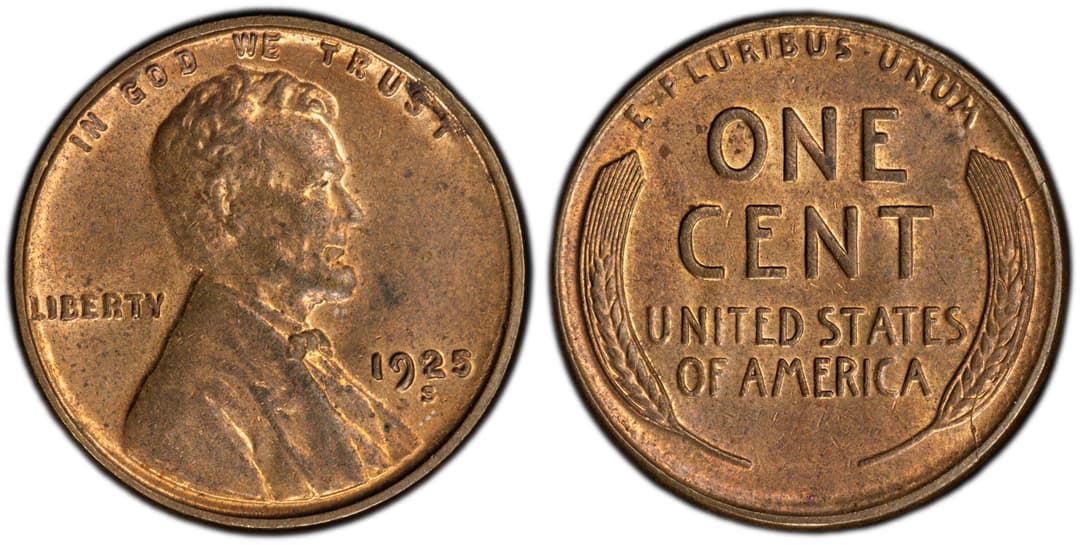
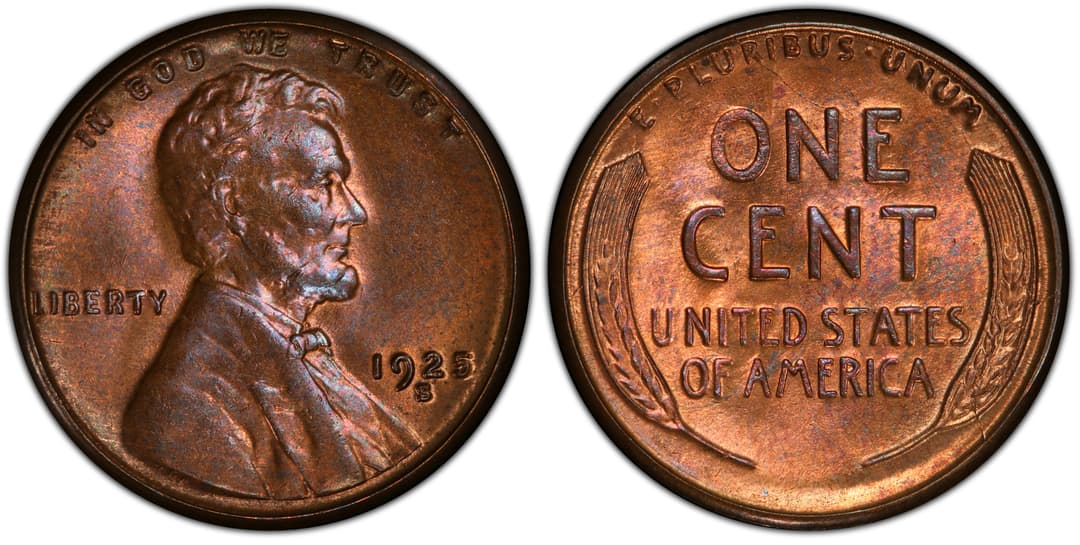
Collector Essentials
Tools for examining and preserving error coins and die varieties.
10x-20x Jeweler's Loupe
Essential for examining die varieties, doubled dies, and RPMs
Cherry Picker's Guide
The definitive reference for U.S. error coins and die varieties
2x2 Coin Flips & Holders
Protect and organize your finds with archival-quality holders
USB Digital Microscope
Capture detailed images for documentation and community submissions
As an Amazon Associate, NumisDex earns from qualifying purchases.