
RCD-1c-1917S-03 Retained Cud
Error
Description
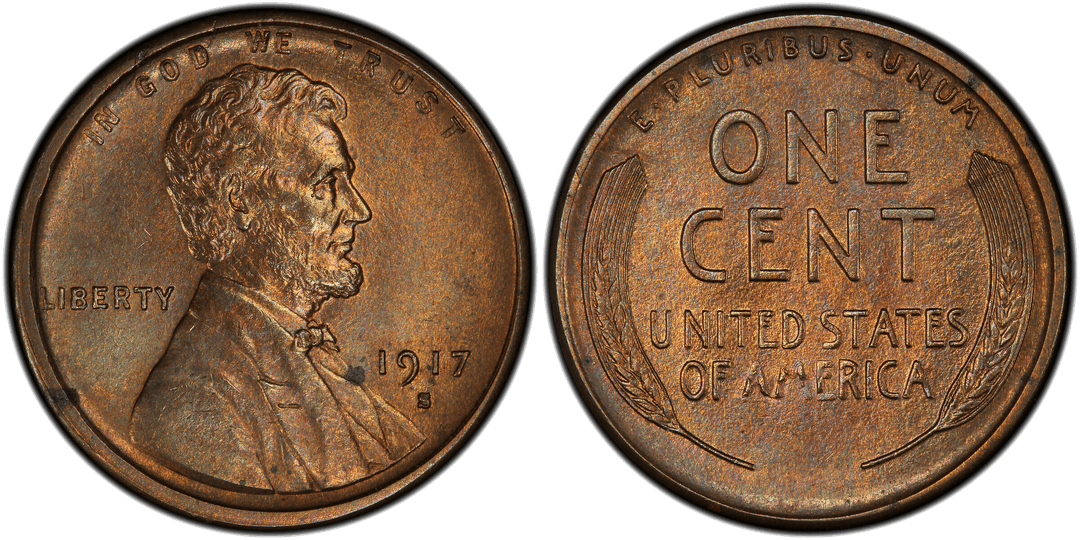
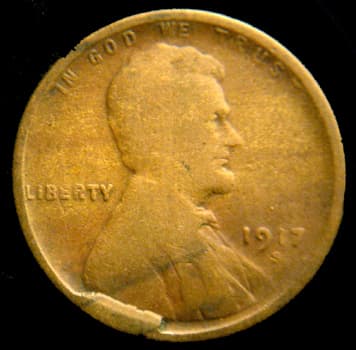
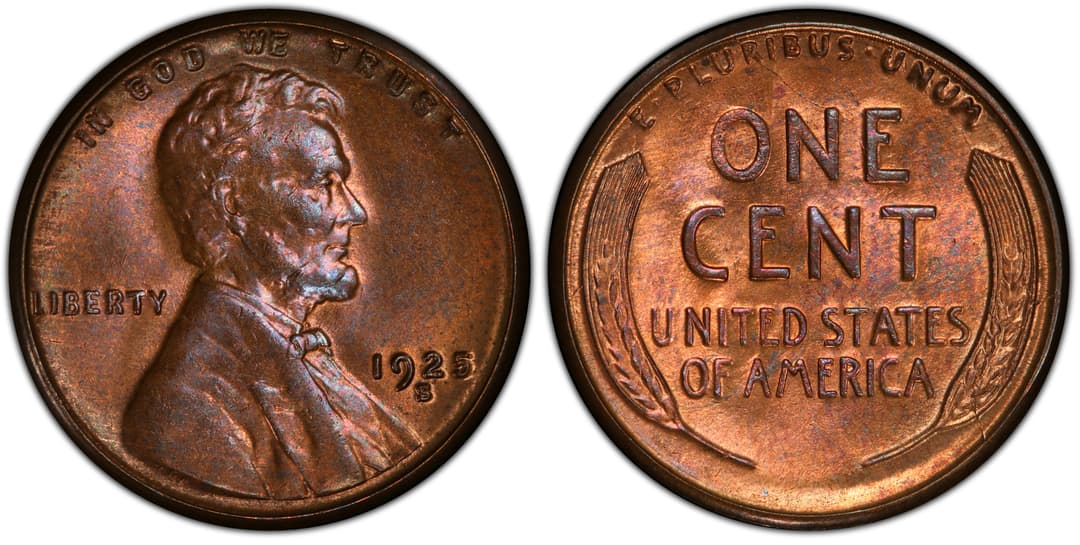
Third retained cud documented for the 1917-S Lincoln wheat cent by the Cuds on Coins attribution service, RCD-1c-1917S-03 records a die rim fracture that cracked but did not fully separate during striking — the defining characteristic that distinguishes a retained cud from a full die break where the fractured piece detaches entirely. Victor David Brenner's Lincoln cent had been in production for only eight years by 1917, and San Francisco struck approximately 32.62 million wheat cents that year, a date that saw increased coinage demand driven by wartime economic activity following America's entry into World War I in April 1917. The retained cud designation RCD follows the standard Cuds on Coins format: RCD for retained cud die break, 1c for the one-cent denomination, 1917S for the date and mintmark, and 03 indicating the third retained cud cataloged for this specific issue. Retained cuds form when the die steel develops a crack extending from the rim inward — typically caused by metal fatigue from thousands of repeated striking cycles — but the fractured segment remains attached, producing a raised, slightly irregular area on the struck coin where the cracked portion of the die impressed with marginally different pressure than the surrounding intact surface. The existence of three documented retained cuds for the 1917-S cent provides evidence of systematic die stress during this particular production run, possibly related to alloy hardness variations in the die steel or intensified press schedules associated with wartime output targets. Collectors examining potential specimens should look for a raised irregular ridge at the rim area, distinct from a simple die crack by its breadth and the subtle displacement of design elements within the affected zone. Low-angle raking light at 5-10x magnification helps reveal the characteristic surface distortion that separates a retained cud from ordinary rim damage or die cracks.
External References
Community & Reference
Related Errors


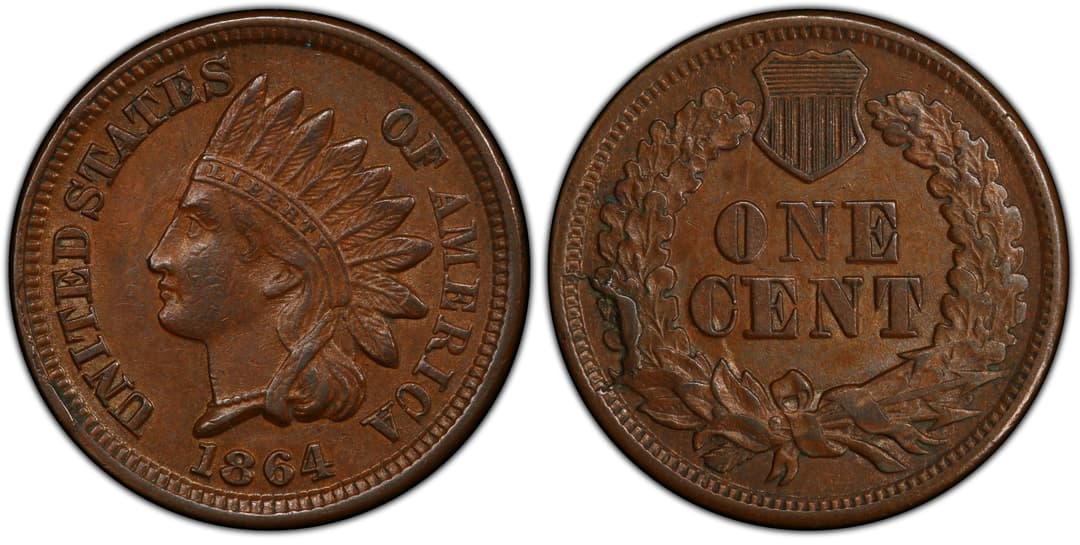
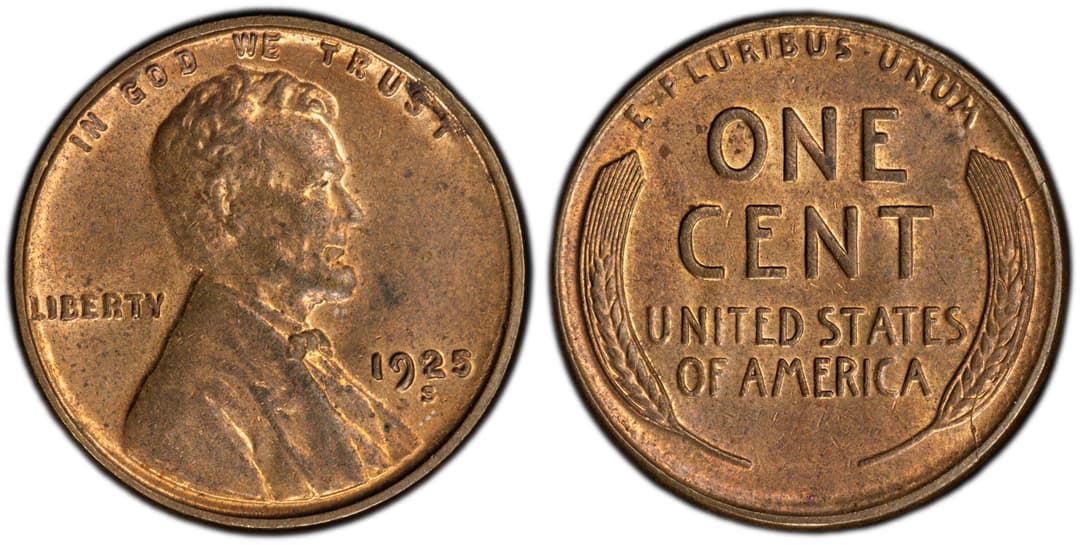
More Retained Cud Errors
Collector Essentials
Tools for examining and preserving error coins and die varieties.
10x-20x Jeweler's Loupe
Essential for examining die varieties, doubled dies, and RPMs
Cherry Picker's Guide
The definitive reference for U.S. error coins and die varieties
2x2 Coin Flips & Holders
Protect and organize your finds with archival-quality holders
USB Digital Microscope
Capture detailed images for documentation and community submissions
As an Amazon Associate, NumisDex earns from qualifying purchases.