
RCD-1c-1910-02R Retained Cud
Error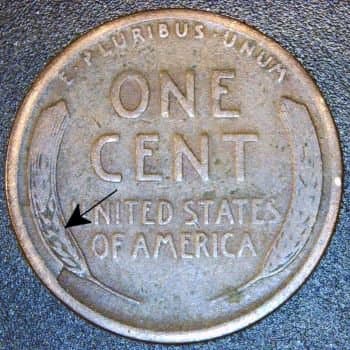
Description
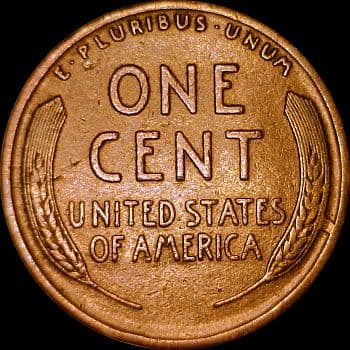
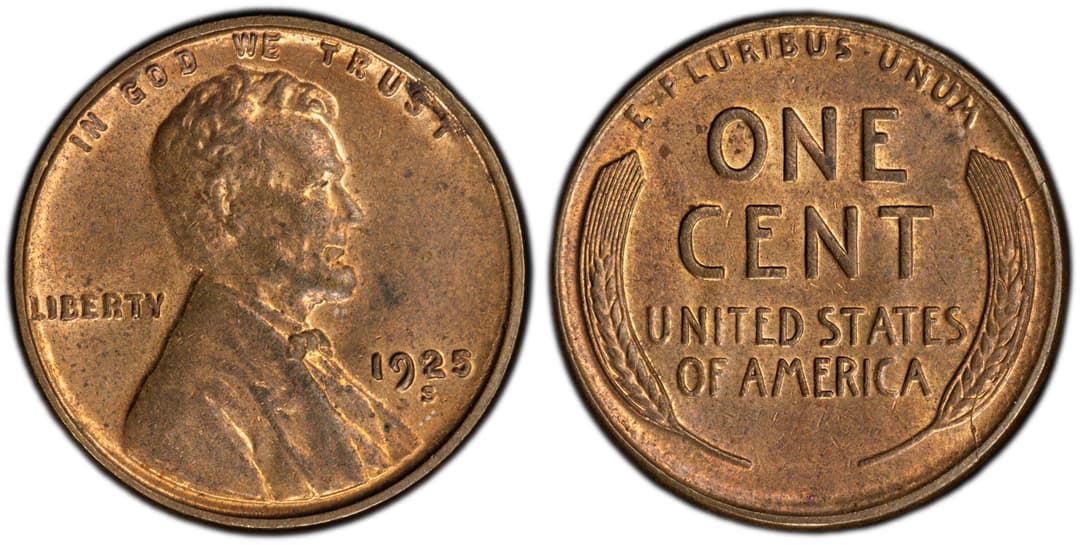
Second reverse retained cud documented for the 1910 Lincoln wheat cent by the Cuds on Coins attribution service, RCD-1c-1910-02R records a die rim fracture from only the second year of Victor David Brenner's Lincoln cent design. Philadelphia struck approximately 146.8 million cents in 1910, a production increase over the inaugural 1909 total that reflected the public's enthusiastic reception of the new Lincoln portrait — the first depiction of an actual historical person on regular-issue United States circulating coinage. The Mint's relatively recent experience with the Lincoln cent dies in 1910 meant that die preparation and production techniques for the design were still being refined, and the existence of two reverse retained cuds for this early date contributes to the record of manufacturing challenges in the series' formative years. Retained cuds develop through progressive rim failure: repeated striking stress causes a crack to form along the die rim, and the fractured section begins to separate but maintains physical attachment, producing a raised irregular formation on struck coins where the rim should be smooth and uniform. The "02R" designation distinguishes this variety from the first reverse retained cud (01R) for 1910, indicating a separate working die experienced its own independent rim fracture at a different location. The wheat reverse design — with paired wheat ear stalks flanking the denomination ONE CENT and the national identity UNITED STATES OF AMERICA — positions multiple design elements near the rim where they can be affected by cud formations. The 1910 cent uses the standard 95% copper bronze composition, imposing moderate die stress compared to harder alloys. Collectors should examine the reverse rim carefully under 8-12x magnification for any raised swelling or bridge-like formation that interrupts the uniform rim profile, and compare the position against documented retained cuds for this date.
External References
Community & Reference
Related Errors

More Retained Cud Errors
Collector Essentials
Tools for examining and preserving error coins and die varieties.
10x-20x Jeweler's Loupe
Essential for examining die varieties, doubled dies, and RPMs
Cherry Picker's Guide
The definitive reference for U.S. error coins and die varieties
2x2 Coin Flips & Holders
Protect and organize your finds with archival-quality holders
USB Digital Microscope
Capture detailed images for documentation and community submissions
As an Amazon Associate, NumisDex earns from qualifying purchases.