
RCD-1c-1905-06R Retained Cud
Error
Description
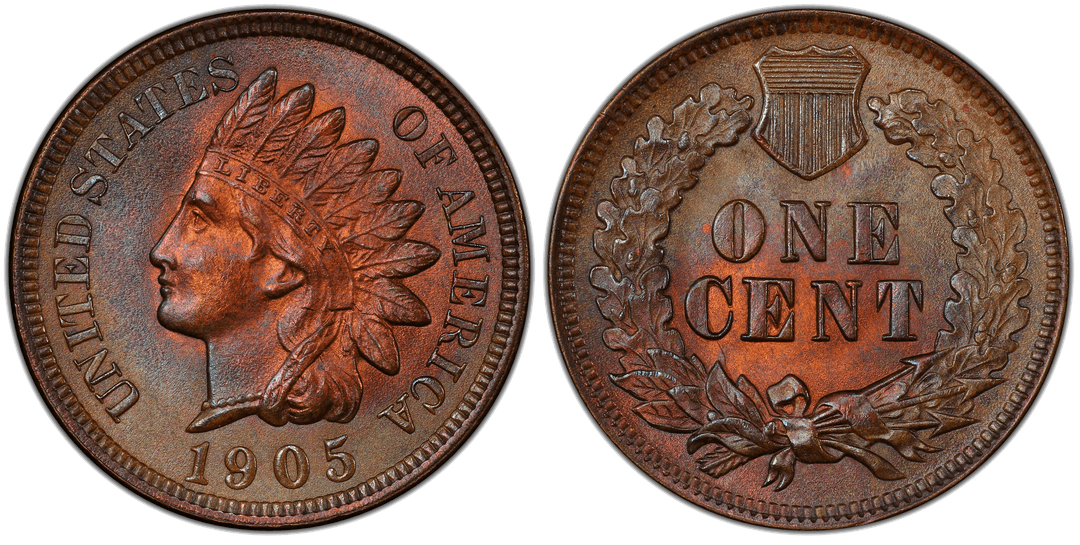
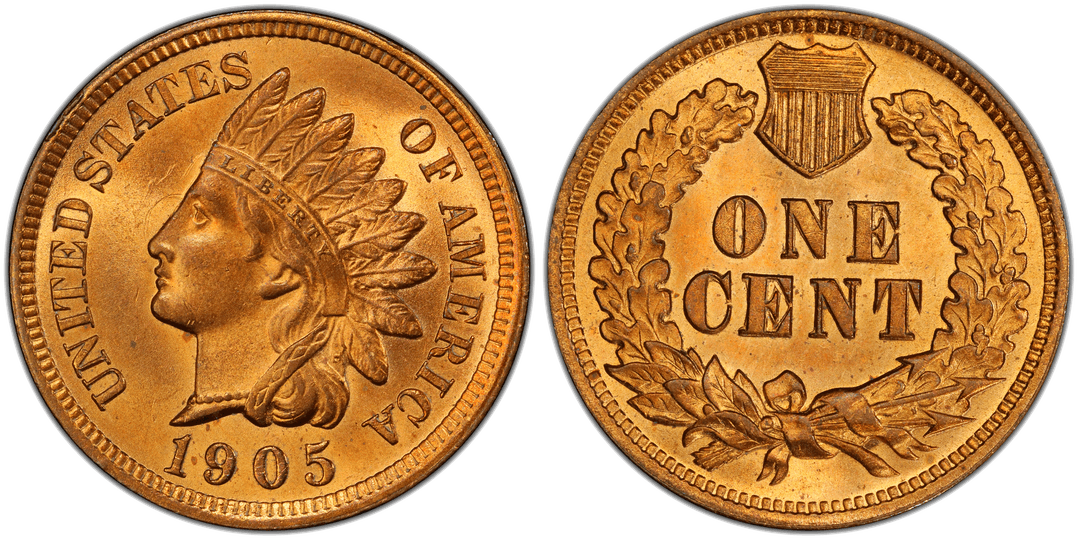
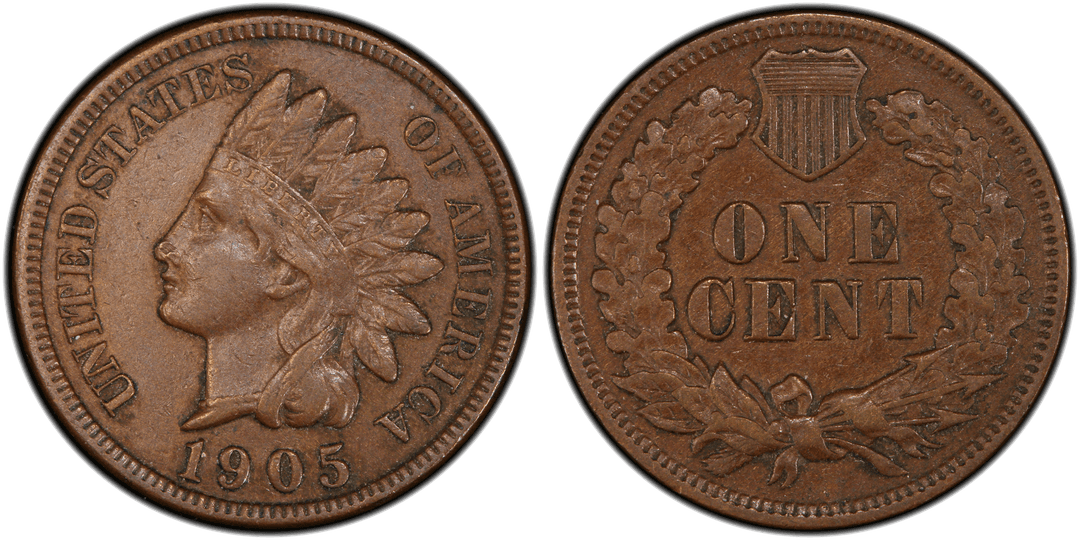
The sixth and highest-numbered retained cud for the 1905 Indian Head Cent, the RCD-1c-1905-06R completes the known roster of retained cuds for this date. Six retained cuds from a single year places 1905 among the more prolific Indian Head Cent dates for this category of die failure — a count that reflects the high production demands at the Philadelphia Mint during this period. Each retained cud in the 1905 sequence represents a different working die that experienced rim fracture with the broken fragment remaining partially attached, and the collective population of six maps the failure patterns across the year's die inventory. The numbering gap between 01R and 06R indicates that at least six separate dies failed in this specific manner during the year's production run, with additional dies potentially showing full cuds (where the fragment detached completely) or pre-cuds (where the crack had not yet progressed to fracture). Attributed by Cuds on Coins, the RCD-1c-1905-06R as the terminal entry in the sequence holds significance for collectors assembling complete retained cud sets for individual Indian Head Cent dates. The 1905 date's six retained cuds contrast with single-retained-cud dates like 1871 and 1879, illustrating how mintage volume and die stress correlate with variety populations across the series.
Attribution History
- Discovered by Chuck Newman
- Expert attribution by Cuds on Coins
External References
Community & Reference
Related Errors


More Retained Cud Errors
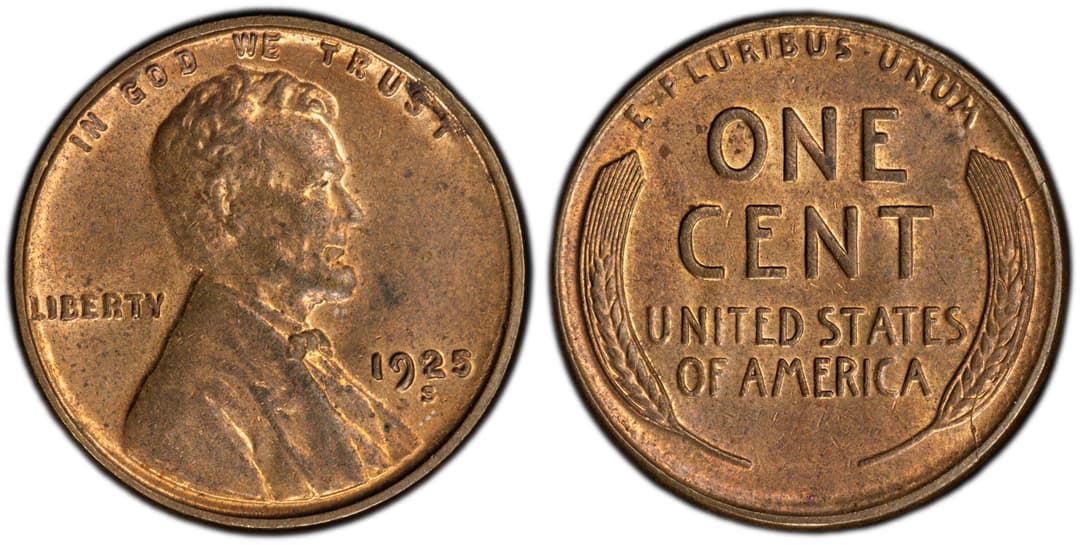
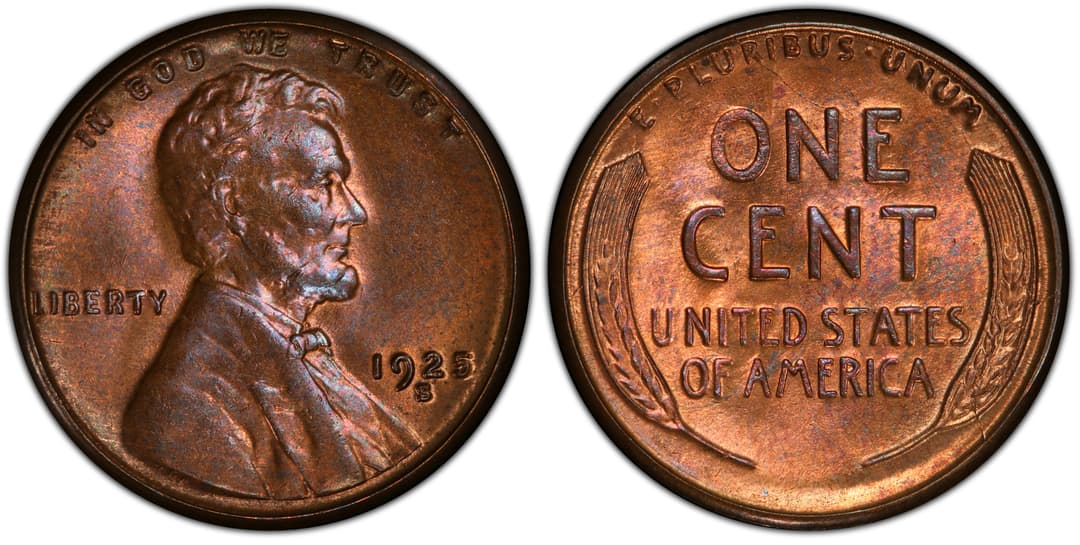
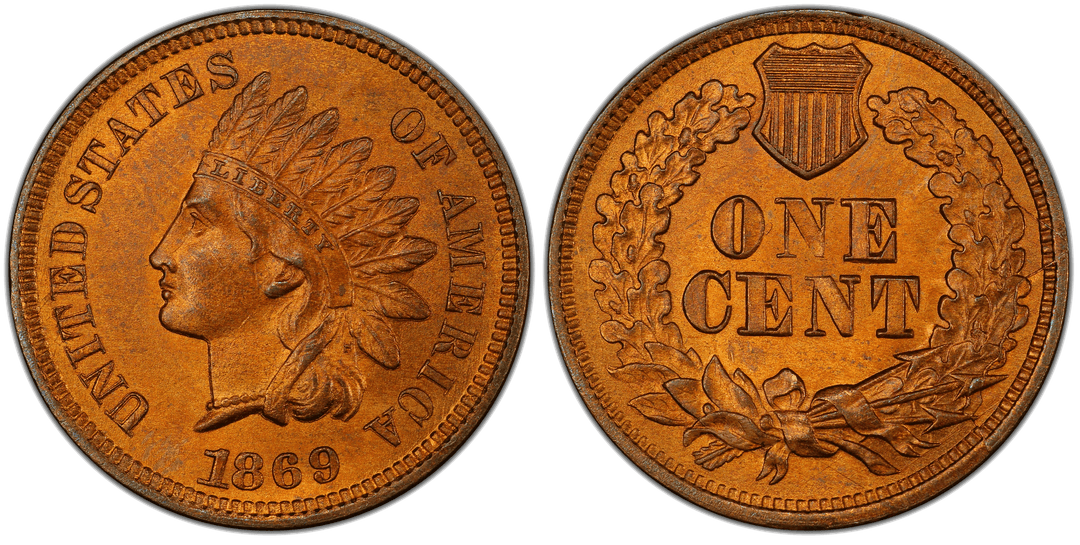
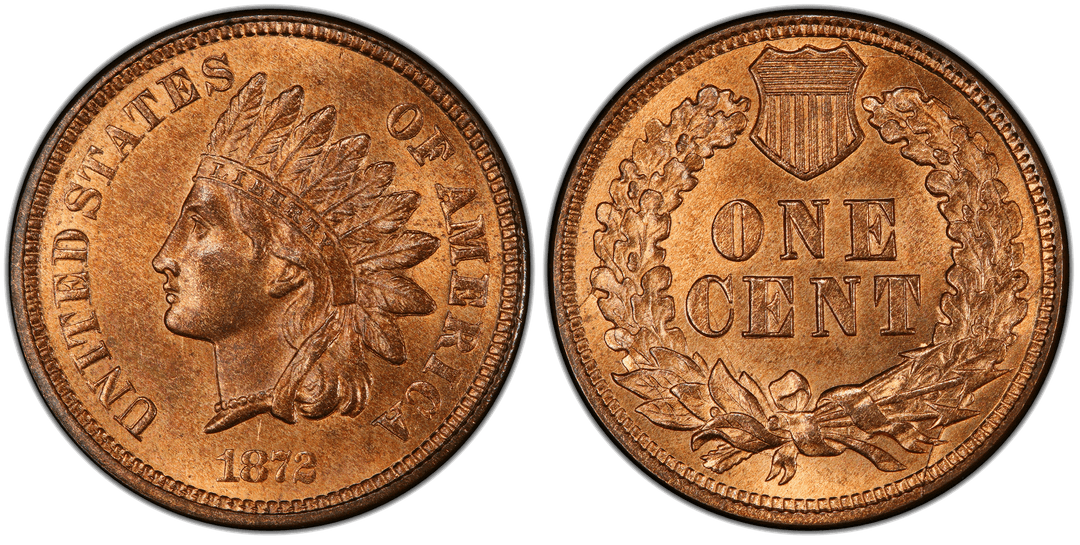
Collector Essentials
Tools for examining and preserving error coins and die varieties.
10x-20x Jeweler's Loupe
Essential for examining die varieties, doubled dies, and RPMs
Cherry Picker's Guide
The definitive reference for U.S. error coins and die varieties
2x2 Coin Flips & Holders
Protect and organize your finds with archival-quality holders
USB Digital Microscope
Capture detailed images for documentation and community submissions
As an Amazon Associate, NumisDex earns from qualifying purchases.