
1893 World's Columbian Exposition Commemorative Half Dollar
Base
About This Coin
The 1893 World's Columbian Exposition Commemorative Half Dollar is a United States half dollar from the Classic Silver Commemoratives (1892-1954) series — the second year of the series. In 1893, coins were struck at the Philadelphia Mint with a combined mintage of 1.6 million. This ranks 78th of 80 years by total mintage, above the series median of 26,967. The obverse features designs varying by commemorative issue, each authorized by an individual act of Congress and the reverse displays designs varying by commemorative issue. Struck during the Gilded Age of rapid industrialization and the great silver debates, when monetary policy shaped elections and economic destiny. Struck in 90% silver, 10% copper, weighing 12.5 grams, 30.6 mm in diameter, with a reeded edge. A notable auction result reached $23K in PR63 grade at Stack's Bowers. Designed by Charles E. Barber/George T. Morgan.
Specifications
Strike Types & Varieties(2)
1893 Columbian Half Dollar
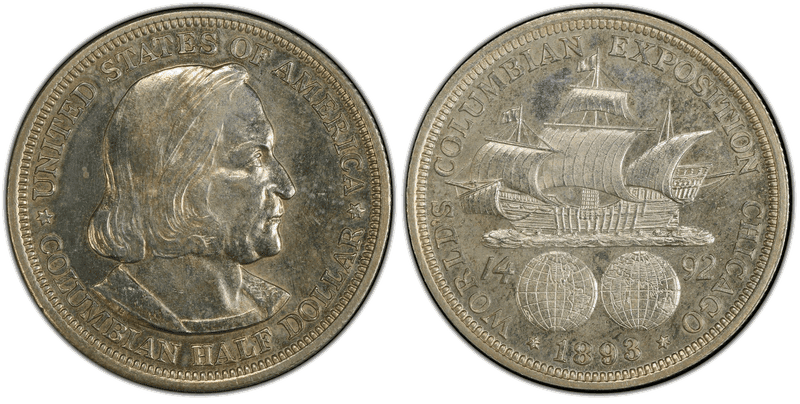
1893 Proof Columbian Half Dollar
Other Base Coins in This Series

1892 World's Columbian Exposition Commemorative Half Dollar
2 strike types

1893 World's Columbian Exposition Commemorative Quarter
2 strike types
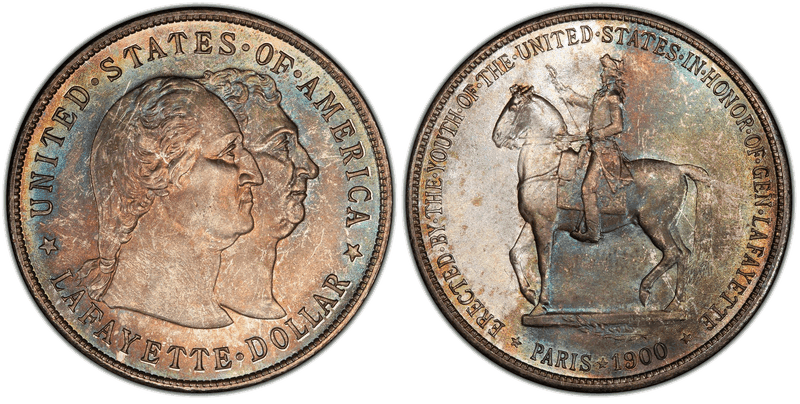
1900 Lafayette Commemorative Dollar
1 strike type
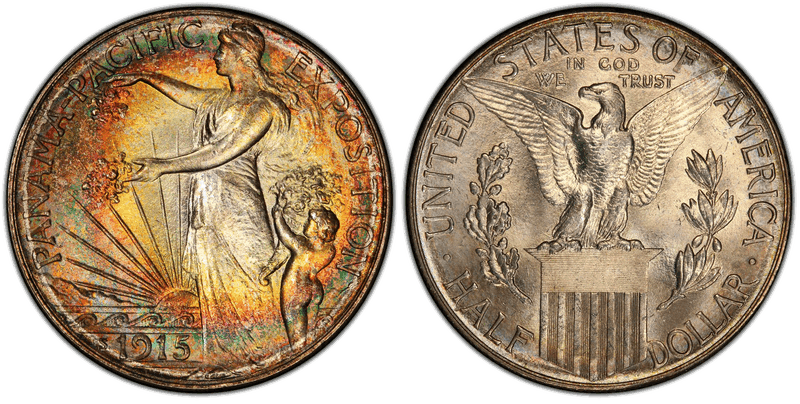
1915 Panama-Pacific International Exposition Commemorative Half Dollar
1 strike type
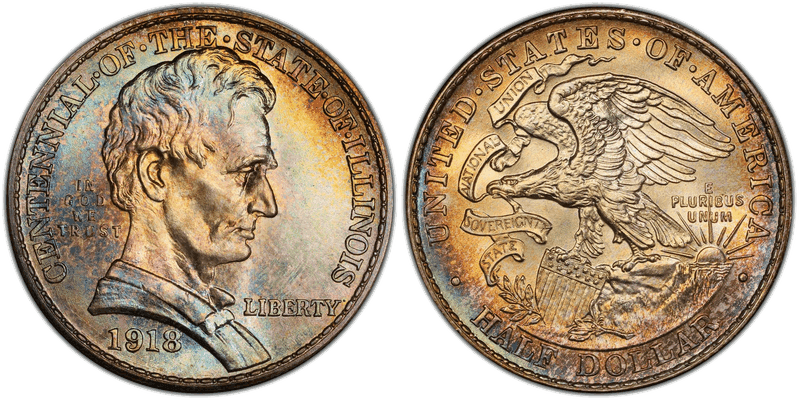
1918 Illinois Centennial Commemorative Half Dollar
1 strike type
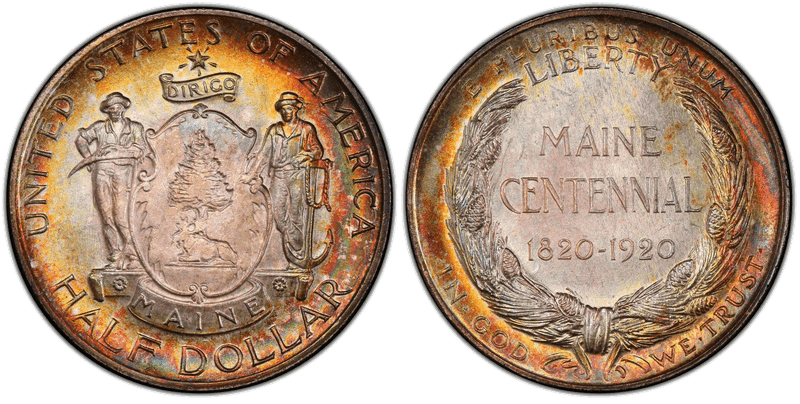
1920 Maine Centennial Commemorative Half Dollar
1 strike type
Collector Essentials
Tools and references for building and protecting your coin collection.
10x-20x Jeweler's Loupe
A must-have for examining coin details, mint marks, and surface quality
Red Book — Guide to U.S. Coins
The essential annual reference for U.S. coin values, history, and mintages
Coin Albums & Storage
Archival-quality albums and holders to protect and display your collection
USB Digital Microscope
Capture detailed images for documentation and community submissions
As an Amazon Associate, NumisDex earns from qualifying purchases.