
RCD-1c-1863-17R Retained Cud
Error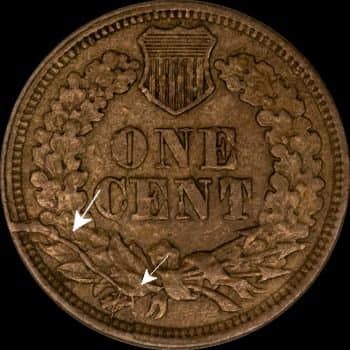
Description
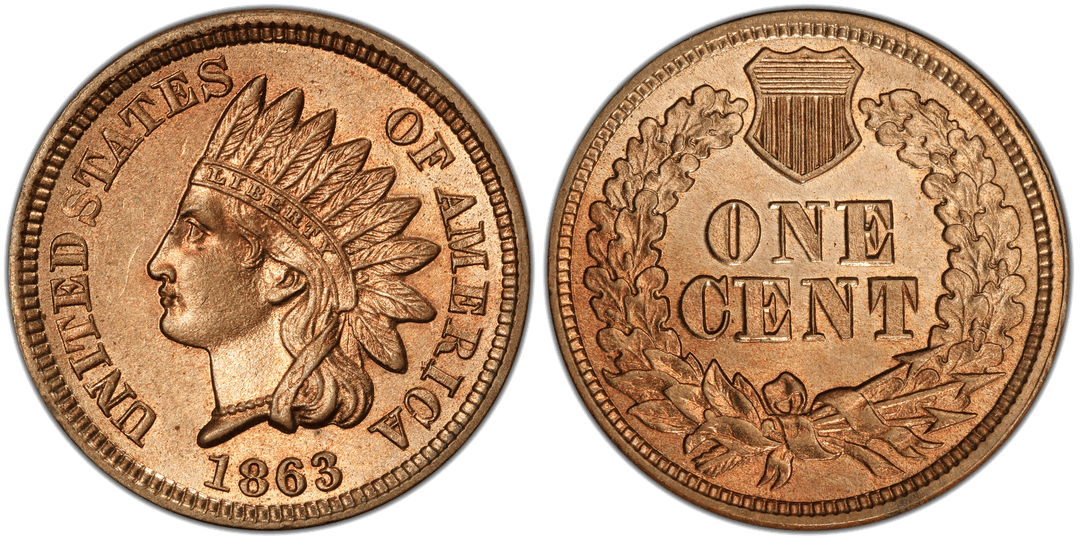
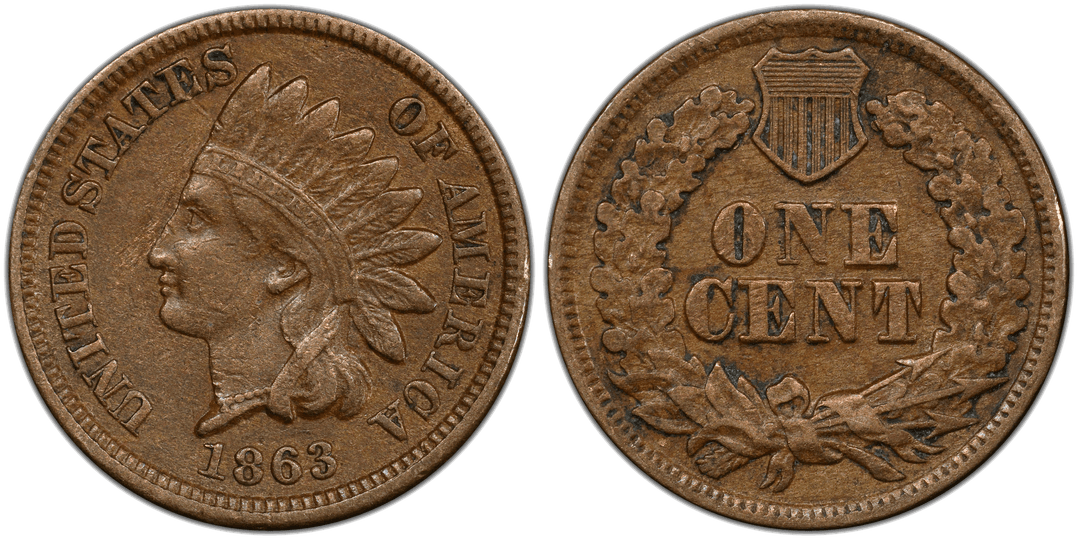
Documented by Cuds on Coins as RCD-1c-1863-17R, this retained cud appears on an 1863 Indian Head Cent struck at Philadelphia during the Civil War. The copper-nickel composition of 88% copper and 12% nickel defined the Indian Head Cent from 1860 through 1864, and its hardness relative to the bronze that followed imposed considerable stress on working dies. A retained cud forms when a die crack propagates to the rim and a wedge-shaped fragment fractures partially free but remains mechanically captured within the die assembly. Unlike a full cud where the broken piece falls away, the retained fragment continues to impress a distorted partial image onto each subsequent planchet. Seventeen retained cuds for the 1863 Indian Head Cent reflects the confluence of wartime production demands and the unforgiving copper-nickel alloy. The Civil War created severe coin shortages as the public hoarded precious and base-metal coinage, pushing the Mint to maximize die usage and tolerate greater deterioration before retiring compromised dies. This seventeenth entry extends the record of terminal die failures during one of the most turbulent periods in American numismatic history.
Attribution History
- Discovered by Peter Scherff
- Cross reference: none. 02/26/2024.
- Expert attribution by Cuds on Coins
External References
Community & Reference
Related Errors
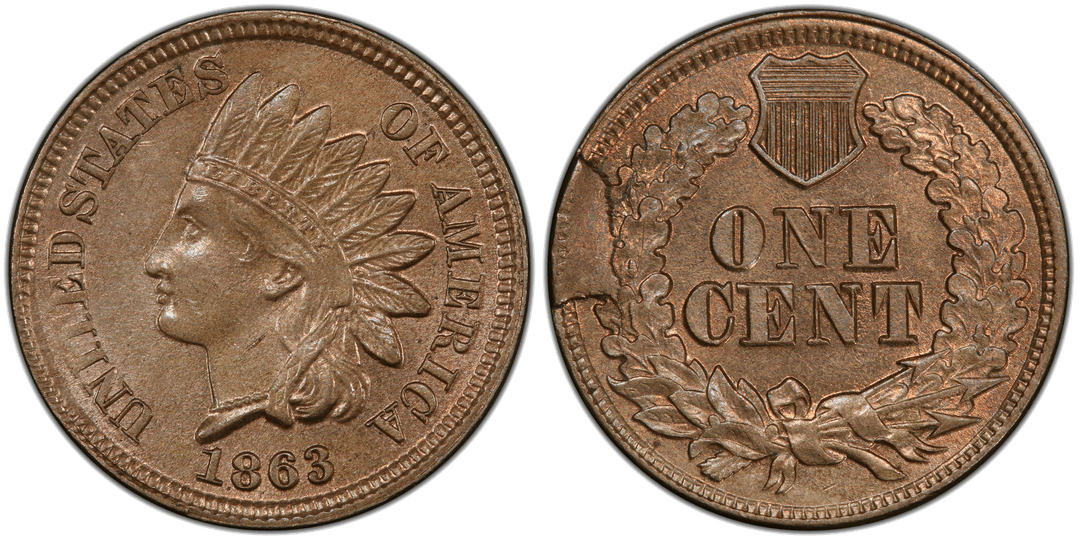
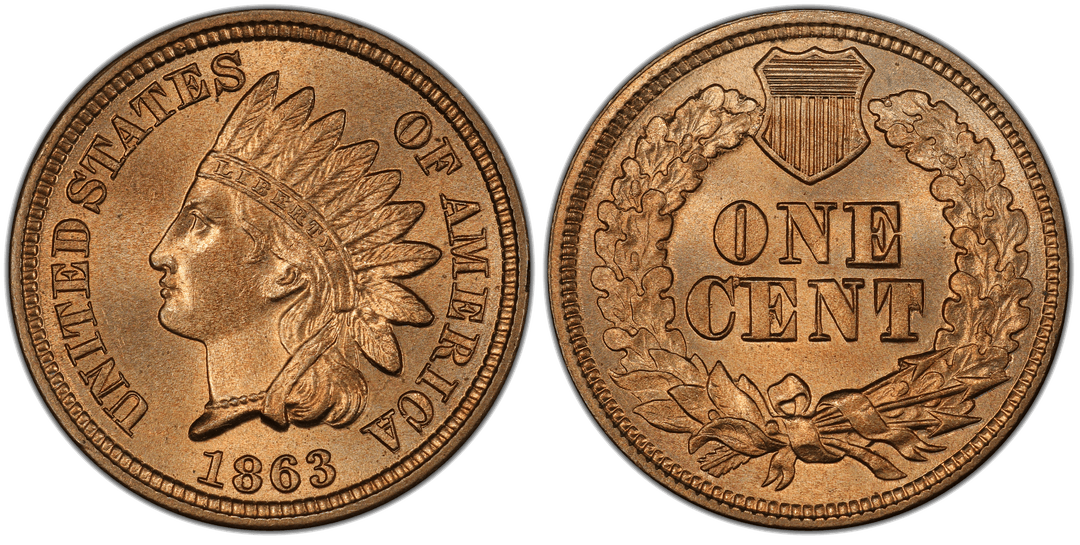
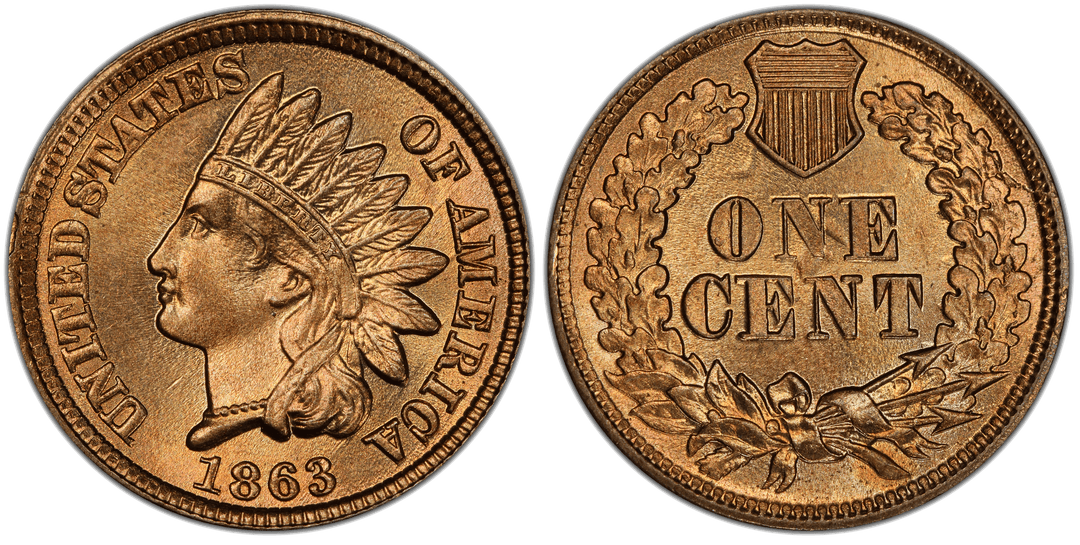
More Retained Cud Errors
Collector Essentials
Tools for examining and preserving error coins and die varieties.
10x-20x Jeweler's Loupe
Essential for examining die varieties, doubled dies, and RPMs
Cherry Picker's Guide
The definitive reference for U.S. error coins and die varieties
2x2 Coin Flips & Holders
Protect and organize your finds with archival-quality holders
USB Digital Microscope
Capture detailed images for documentation and community submissions
As an Amazon Associate, NumisDex earns from qualifying purchases.