
RCD-1C-1863-19R Retained Cud
Error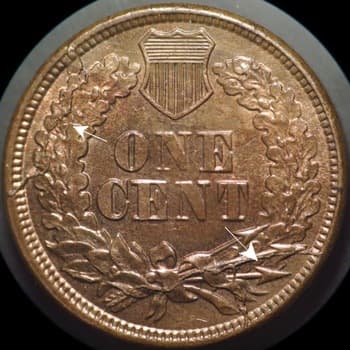
Description
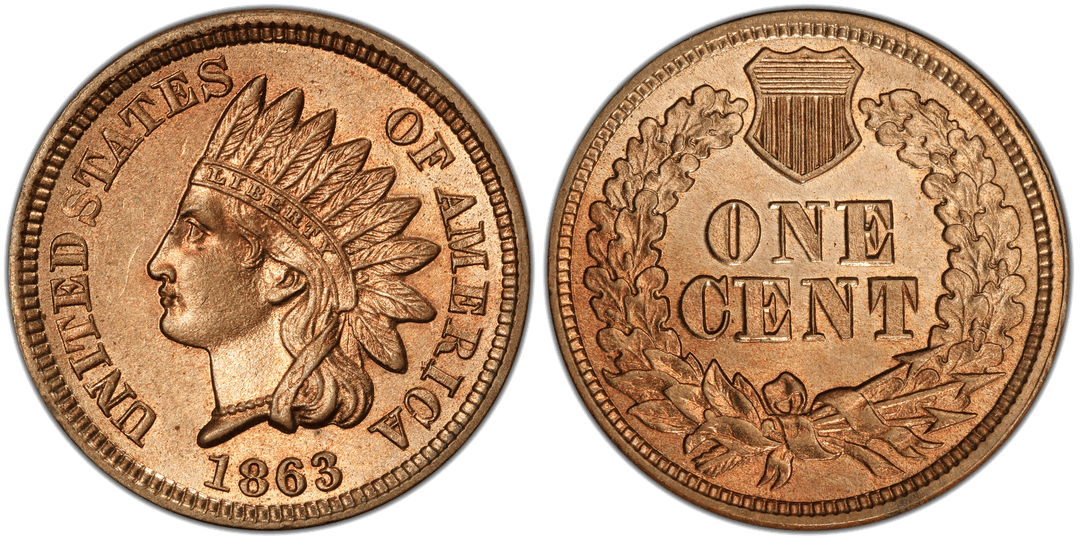
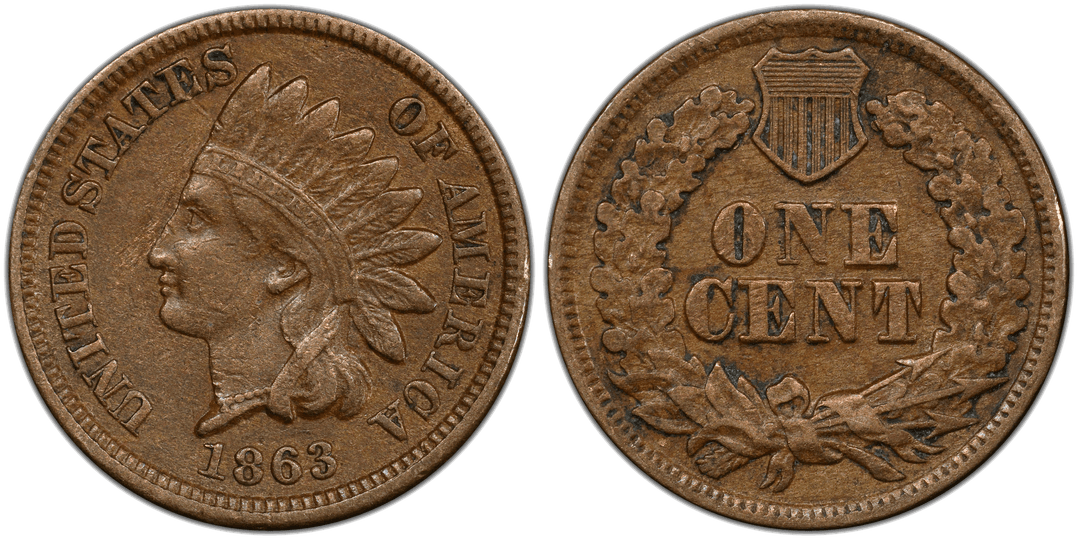
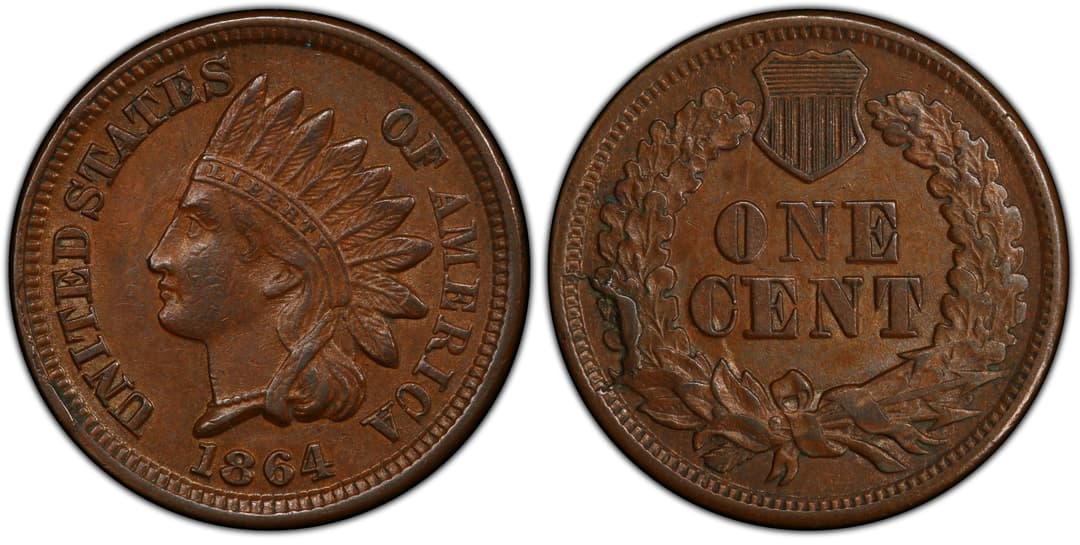
Nineteenth in the reverse retained cud census for the 1863 Indian Head cent, RCD-1C-1863-19R documents an advanced stage of die failure where a fractured rim segment remains partially attached to the die body while allowing planchet metal to partially fill the developing gap. Retained cuds represent the intermediate phase between pre-cuds (where the crack exists but the die fragment has not separated) and full cuds (where the fragment has broken away entirely, creating a fully raised featureless mass). In a retained cud, the broken die piece is still held in approximate position by friction or partial metal bonding, but it has shifted enough to allow planchet metal to flow partially into the space beneath, creating a raised area with some residual design detail visible — a mix of the original design and the beginning of the featureless cud surface. James B. Longacre's Indian Head cent, featuring Liberty wearing a Native American feathered headdress, was struck in copper-nickel composition during 1860-1864, an alloy harder than the later bronze adopted in mid-1864. Philadelphia produced approximately 49.84 million Indian Head cents in 1863, the third year of the Civil War, when coin hoarding had become severe enough to prompt the introduction of fractional currency paper notes as substitutes for scarce small change. Nineteen documented reverse retained cuds for 1863 represents a remarkably deep census, suggesting the hard copper-nickel planchets imposed substantial die stress. The Cuds on Coins attribution service cross-referenced this variety under the same RCD-1C-1863-19R designation. Collectors can identify retained cuds by the distinctive combination of raised rim-area metal that shows partial design ghosting — neither fully sharp design detail nor completely featureless — typically visible at 5-10x magnification without requiring high-power examination.
Attribution History
- RCD-1C-1863-19R
- Expert attribution by Cuds on Coins
External References
Community & Reference
Related Errors
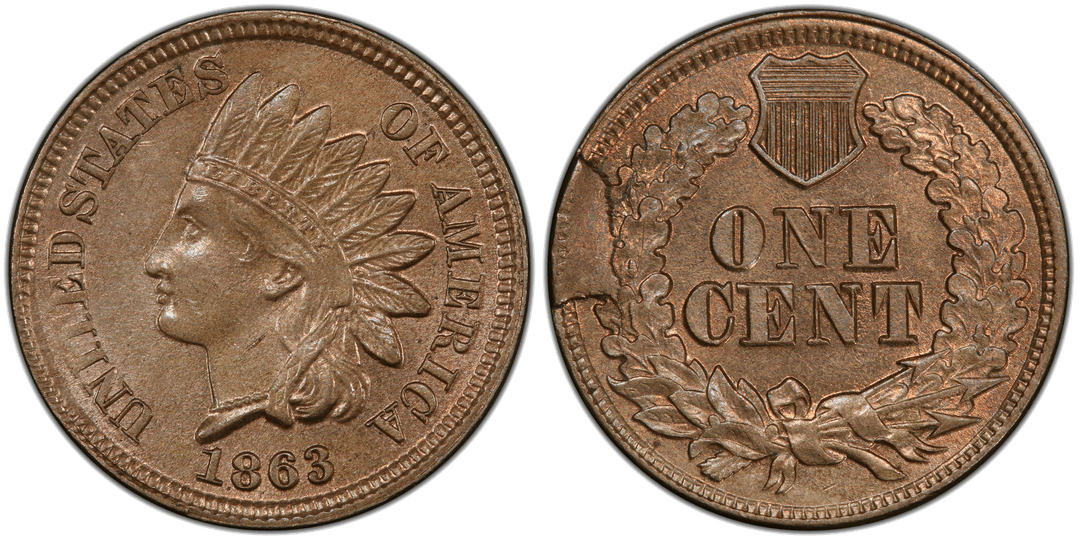
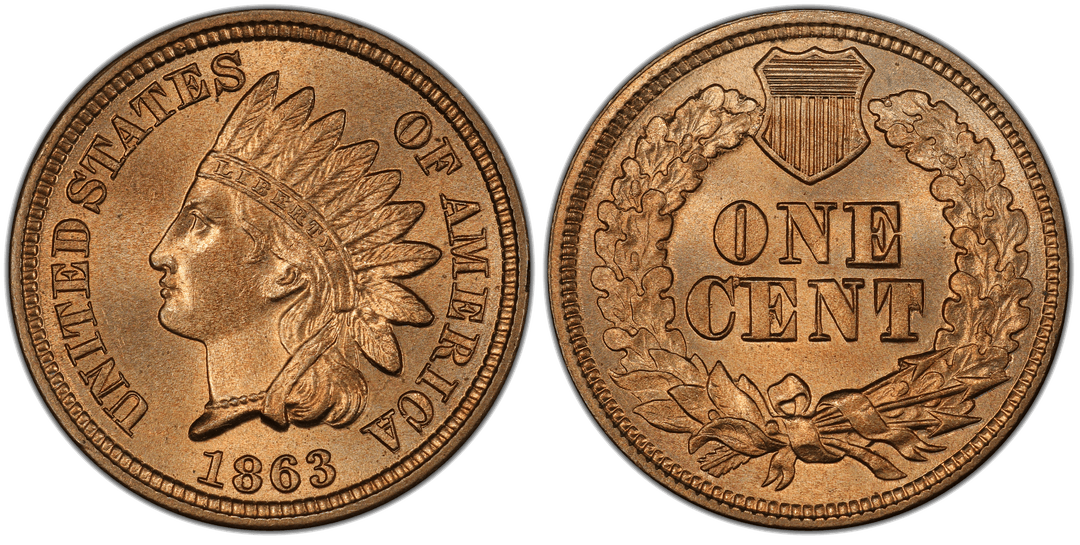
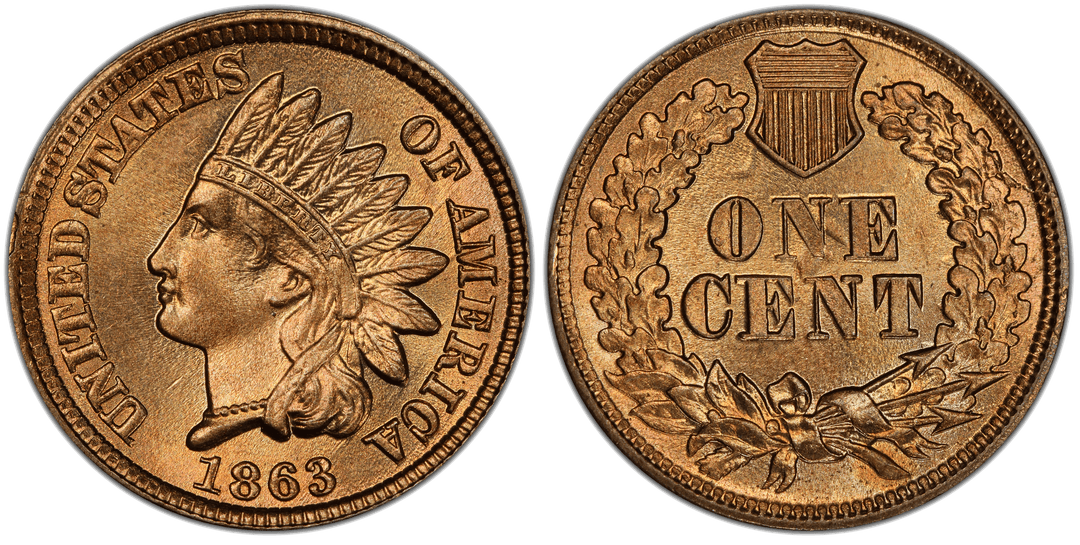
More Retained Cud Errors
Collector Essentials
Tools for examining and preserving error coins and die varieties.
10x-20x Jeweler's Loupe
Essential for examining die varieties, doubled dies, and RPMs
Cherry Picker's Guide
The definitive reference for U.S. error coins and die varieties
2x2 Coin Flips & Holders
Protect and organize your finds with archival-quality holders
USB Digital Microscope
Capture detailed images for documentation and community submissions
As an Amazon Associate, NumisDex earns from qualifying purchases.