
RCD-1c-1862-05R Retained Cud
Error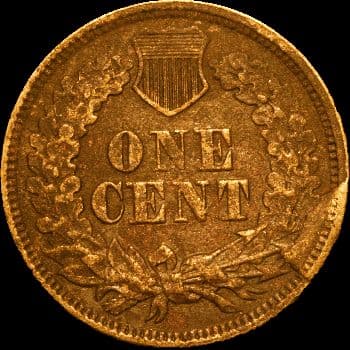
Description
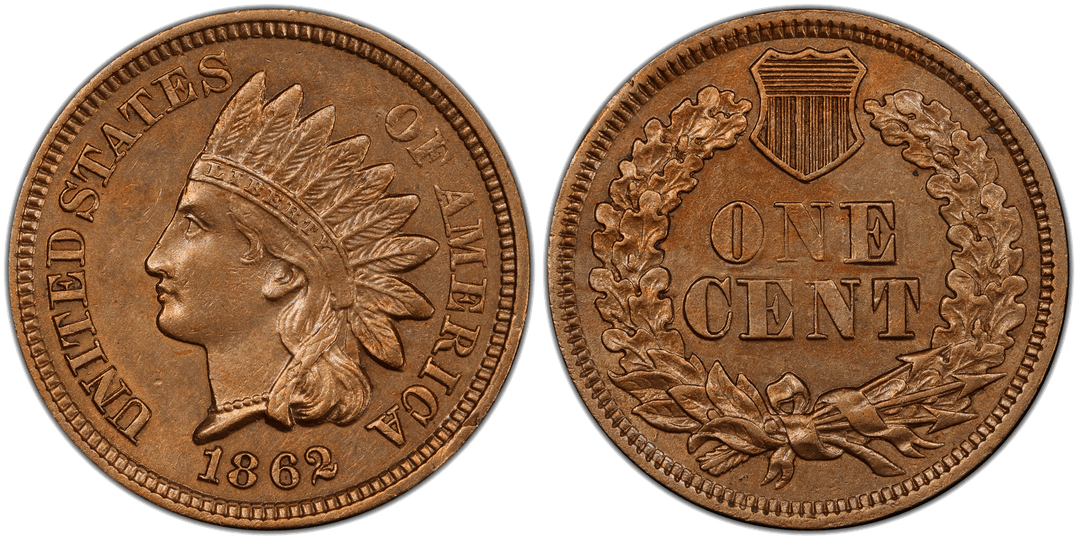
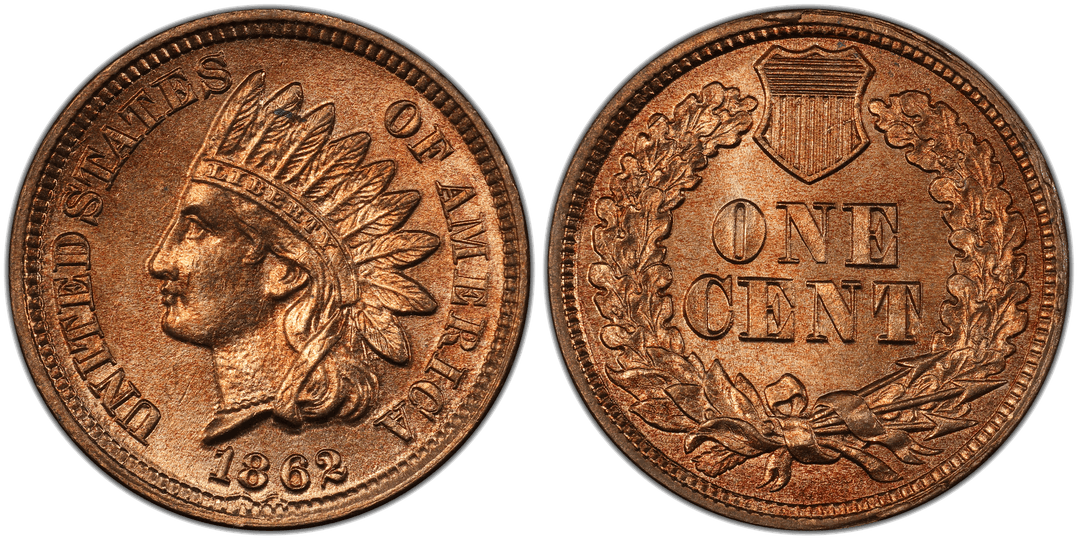
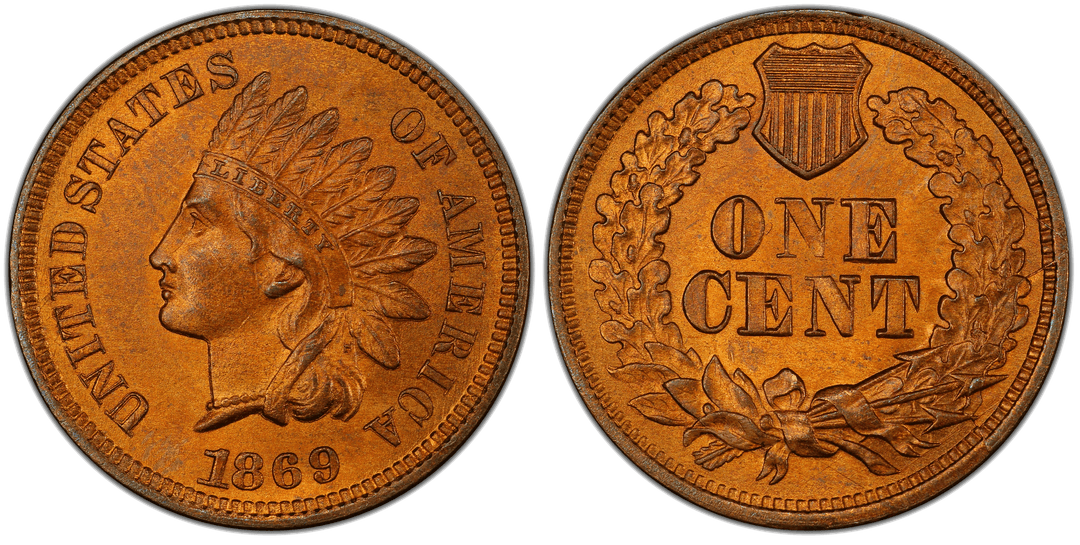
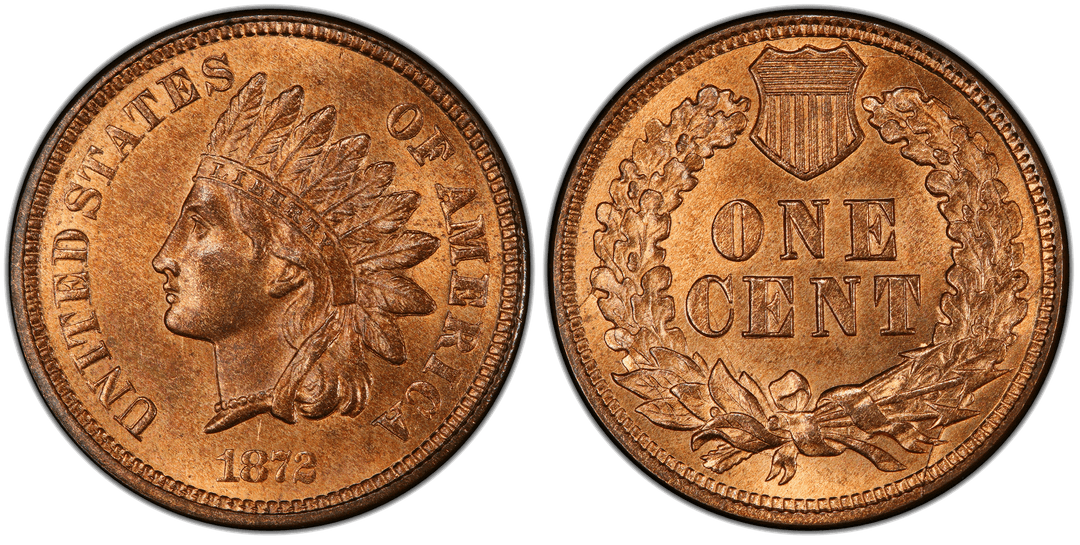
Fifth retained cud documented on the reverse of the 1862 Indian Head cent by the Cuds on Coins attribution service, RCD-1c-1862-05R records a stage of die failure where the die steel has cracked at or near the rim but the fractured piece remains attached, creating a raised but connected area on struck coins. The designation follows systematic nomenclature: RCD for retained cud, 1c for the one-cent denomination, 1862 for the date, 05 for the fifth retained cud cataloged, and R indicating the reverse die is affected. James B. Longacre's Indian Head design — featuring Liberty wearing a Native American headdress on the obverse and an oak wreath with shield on the reverse — was in its fourth year of production with the copper-nickel composition that would continue through 1864 before the transition to bronze. Philadelphia struck approximately 28.08 million Indian Head cents in 1862, a year when the Civil War's disruption of commerce created significant hoarding of hard currency that removed coins from circulation almost as quickly as they were produced. The copper-nickel composition (88% copper, 12% nickel) used for cents from 1857-1864 was harder than both the preceding large cent copper and the subsequent bronze alloy, generating greater stress on coining dies and contributing to the rim fractures that produce cuds and retained cuds. A retained cud differs from a full cud in that the broken die piece has not separated — it remains in position but can flex slightly during striking, producing a raised area that may show partial design detail rather than the completely flat blob characteristic of a full cud where the broken piece has fallen away. Collectors examining 1862 Indian Head cents should inspect the reverse rim carefully under 10x magnification for any raised irregular area connected to the rim edge.
Attribution History
- Discovered by Devin Anderson
- Expert attribution by Cuds on Coins
External References
Community & Reference
Related Errors
More Retained Cud Errors
Collector Essentials
Tools for examining and preserving error coins and die varieties.
10x-20x Jeweler's Loupe
Essential for examining die varieties, doubled dies, and RPMs
Cherry Picker's Guide
The definitive reference for U.S. error coins and die varieties
2x2 Coin Flips & Holders
Protect and organize your finds with archival-quality holders
USB Digital Microscope
Capture detailed images for documentation and community submissions
As an Amazon Associate, NumisDex earns from qualifying purchases.