
RCD-1c-1862-01R Retained Cud
Error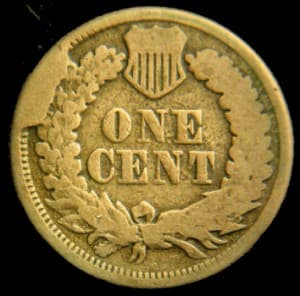
Description
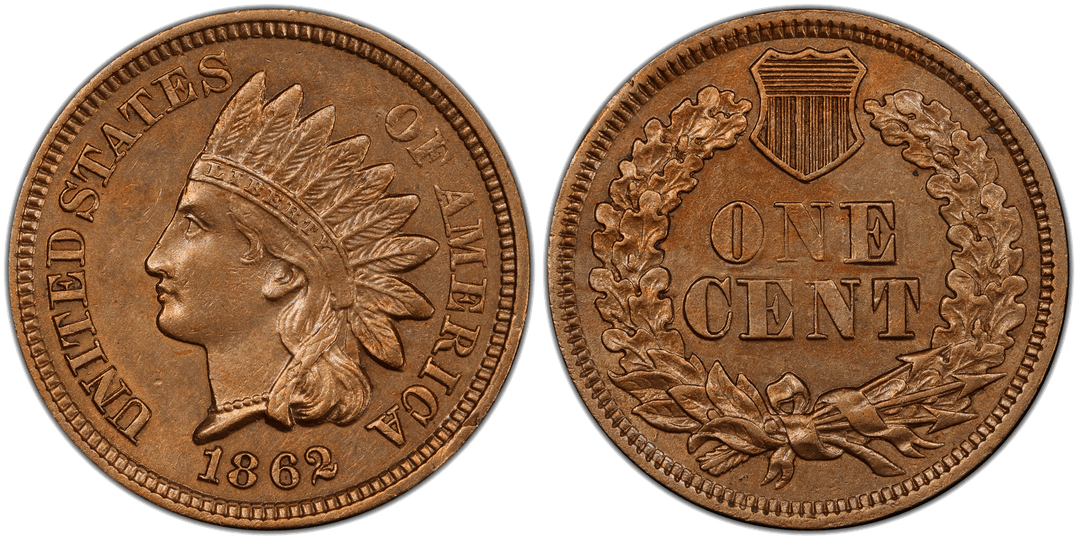
Struck during the opening year of the Civil War's most intense fighting, the 1862 Indian Head Cent RCD-1c-1862-01R documents a retained cud on the reverse die — a stage of die failure where a cracked piece remains lodged in place, producing a raised irregular area rather than the fully flat-topped blob of a separated cud. The R suffix confirms this break occurred on James B. Longacre's reverse oak wreath and shield design. As the first retained cud documented for 1862, the 01 sequence number marks the initial discovery for this date. The 1862 cent was struck in copper-nickel composition (88% copper, 12% nickel) at the Philadelphia Mint — a harder alloy than the bronze that would replace it in mid-1864 when wartime copper shortages forced a composition change. Coin hoarding was rampant during 1862 as public confidence in Union currency wavered, causing severe small-change shortages that prompted fractional currency notes. The obverse depicts Liberty wearing a feathered headdress, designed by Longacre as an allegorical representation rather than a portrait. Cataloged by Cuds on Coins as RCD (retained cud), 1c (denomination), 1862 (year), 01 (first documented), R (reverse die). Examine the reverse rim for the characteristic raised irregular mass where the retained die fragment continued to strike.
Attribution History
- Discovered by Fred Weinberg
- Expert attribution by Cuds on Coins
External References
Community & Reference
Related Errors
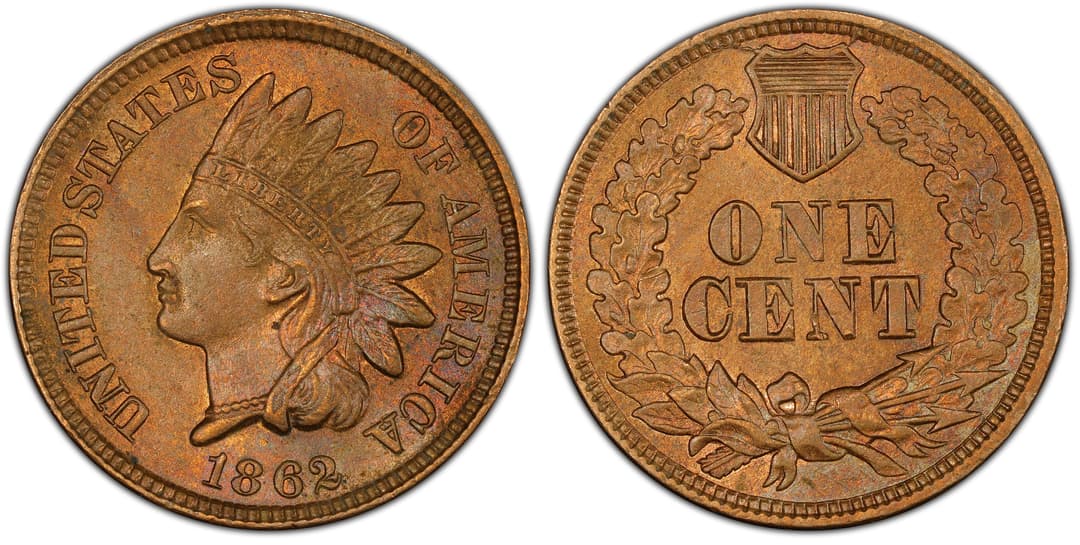
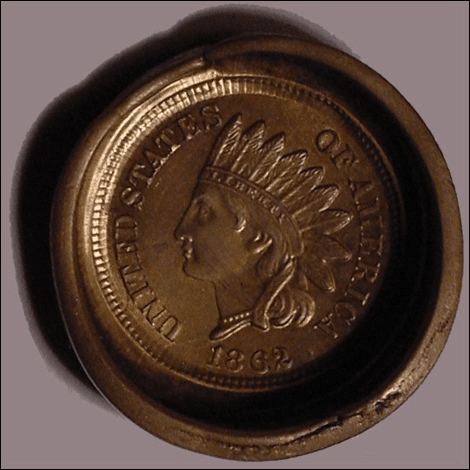
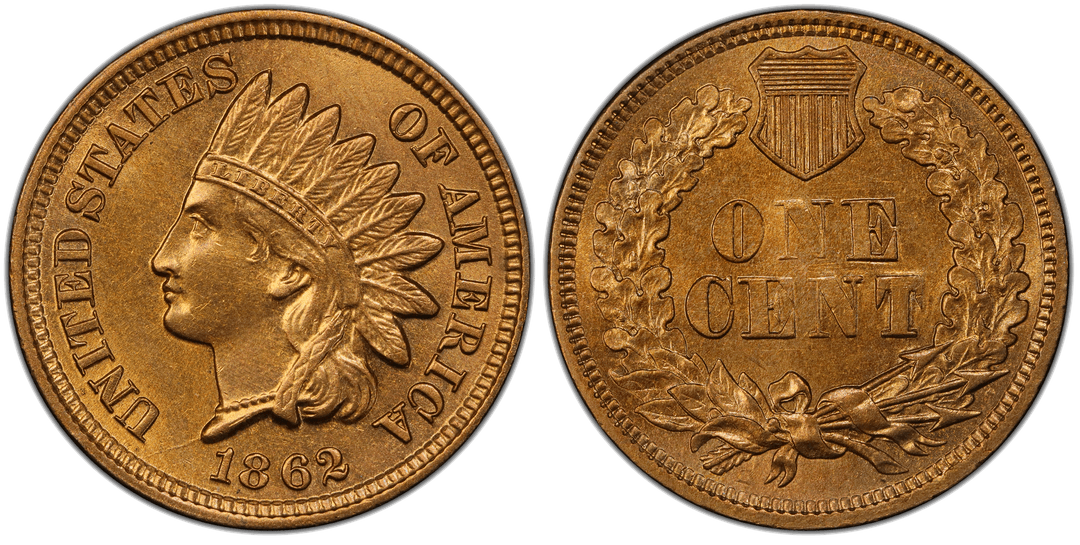
More Retained Cud Errors
Collector Essentials
Tools for examining and preserving error coins and die varieties.
10x-20x Jeweler's Loupe
Essential for examining die varieties, doubled dies, and RPMs
Cherry Picker's Guide
The definitive reference for U.S. error coins and die varieties
2x2 Coin Flips & Holders
Protect and organize your finds with archival-quality holders
USB Digital Microscope
Capture detailed images for documentation and community submissions
As an Amazon Associate, NumisDex earns from qualifying purchases.