
RCD-10c-1833-01R Retained Cud
Error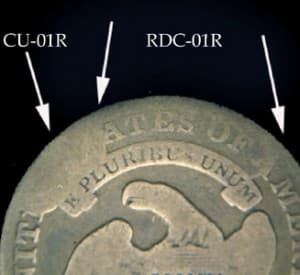
Description
The sole documented retained cud for the 1833 Capped Bust Dime, the RCD-10c-1833-01R preserves a die rim failure on one of the early nineteenth century's most elegant American coin designs. John Reich's Capped Bust motif, featuring Liberty wearing a Phrygian cap surrounded by stars on the obverse and a heraldic eagle on the reverse, was produced in the dime denomination from 1809 through 1837 — a span that encompassed the transition from hand-cranked screw presses to early steam-powered coinage equipment. A retained cud on an 1833 Capped Bust Dime documents the metallurgical limits of die production nearly two centuries ago, when die steel was hand-forged and heat-treated using techniques far less precise than modern methods. The retained fragment — a rim section that fractured but remained attached to the working die — struck coins with the characteristic raised irregular mass that partially distorts the adjacent design. Attributed by Cuds on Coins, die varieties on Capped Bust coinage are inherently scarce due to the relatively small production quantities, limited surviving populations, and the less systematic documentation of early American die characteristics compared to later series. The 1833 date falls in the later production years of the Capped Bust Dime, and retained cuds from this pre-Civil War era represent some of the earliest American die failure documentation available to variety collectors.
Attribution History
- Discovered by Fred Weinberg
- Expert attribution by Cuds on Coins
External References
Community & Reference
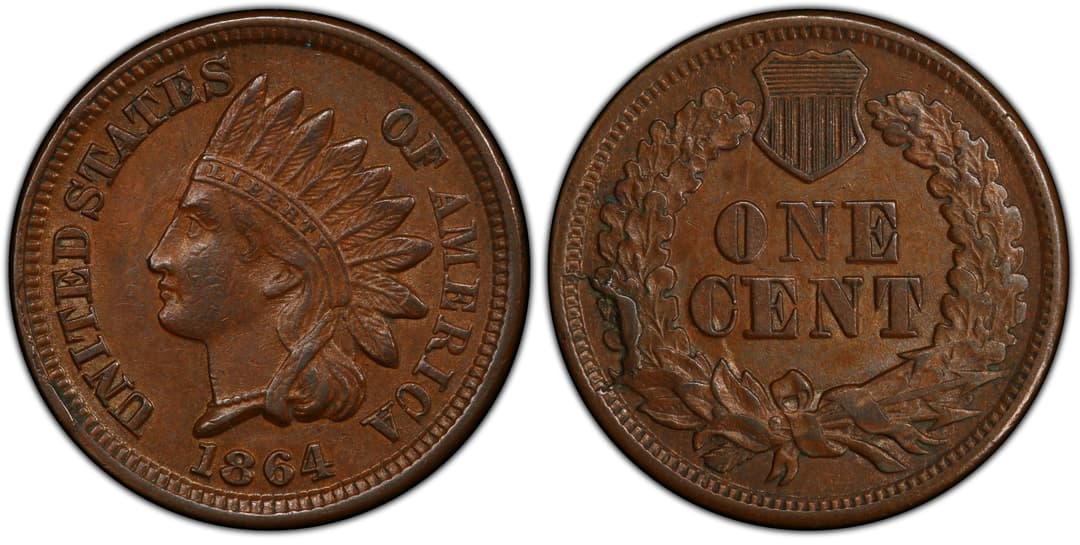
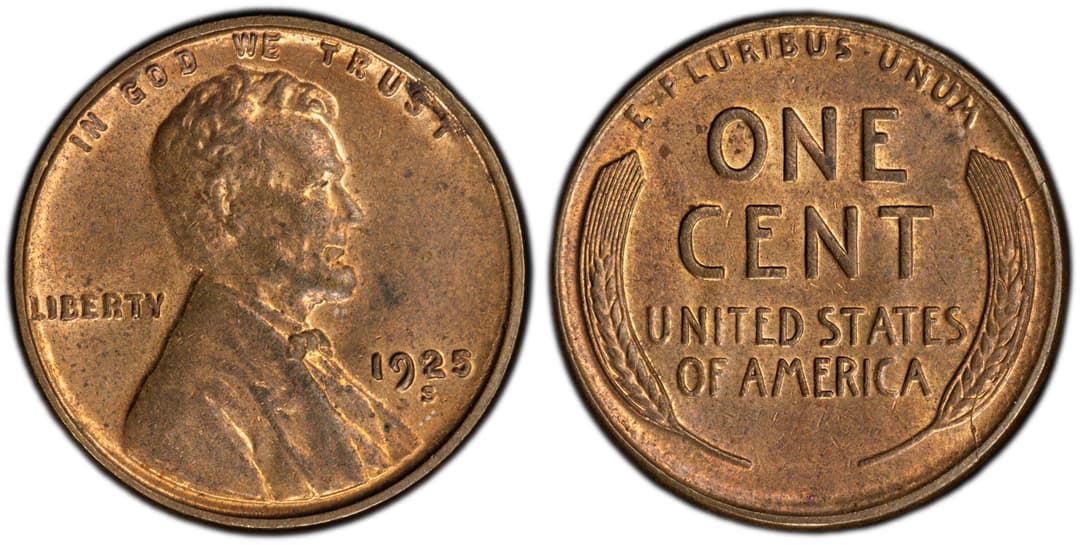
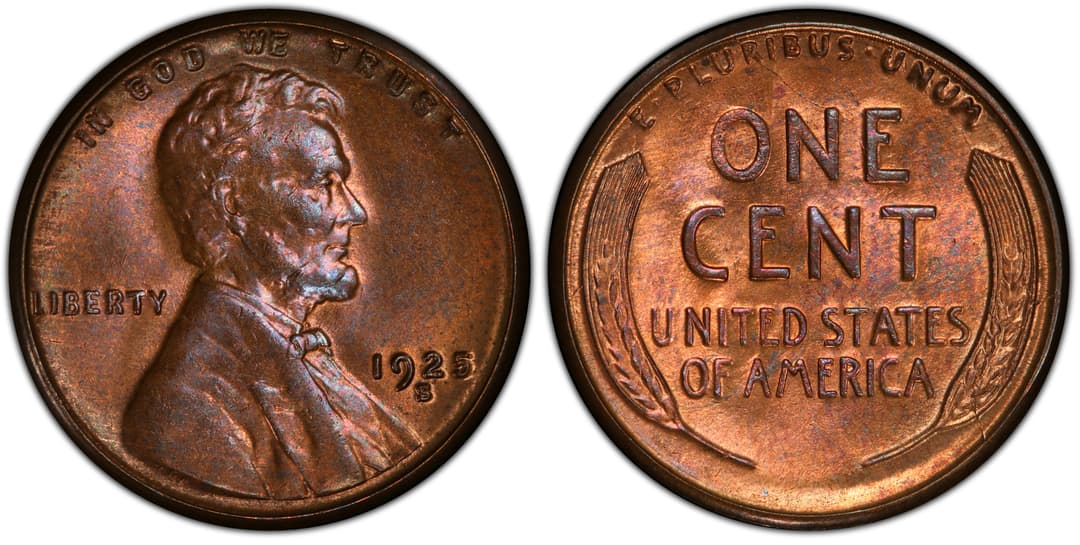
More Retained Cud Errors
Collector Essentials
Tools for examining and preserving error coins and die varieties.
10x-20x Jeweler's Loupe
Essential for examining die varieties, doubled dies, and RPMs
Cherry Picker's Guide
The definitive reference for U.S. error coins and die varieties
2x2 Coin Flips & Holders
Protect and organize your finds with archival-quality holders
USB Digital Microscope
Capture detailed images for documentation and community submissions
As an Amazon Associate, NumisDex earns from qualifying purchases.