
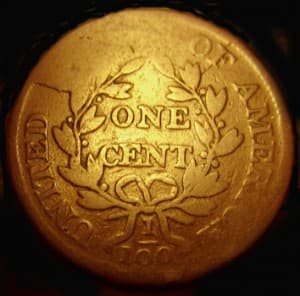
CU-1C-1803-04A Cud
Error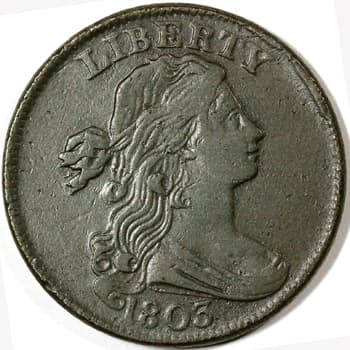
Description
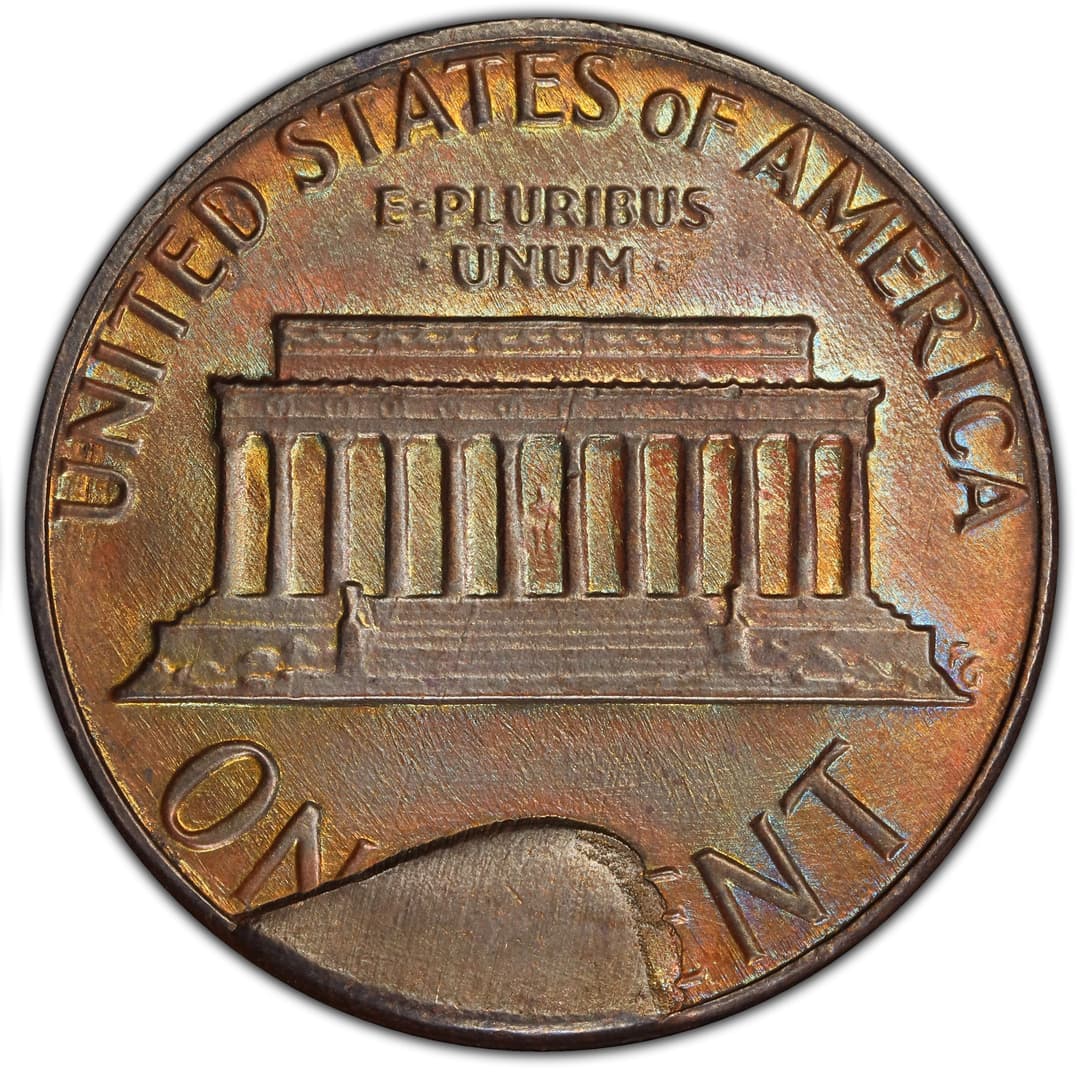
Robert Scot's Draped Bust design, introduced in 1796, was already showing its age by 1803 when this Small Date, Large Fraction die developed a catastrophic rim fracture now cataloged as CU-1C-1803-04A. Cuds form when a section of the die steel separates completely at the rim, leaving a featureless raised blob of metal on every subsequent strike — a distinctive signature that makes cud varieties among the most visually dramatic die errors in early American copper coinage. The "04A" suffix within the 1803 cud sequence indicates this is the first sub-stage recorded for the fourth documented cud on this date, suggesting the same die may have produced related break patterns at different points in its working life. Philadelphia was the sole operating mint in 1803, and the large copper cent planchets imposed substantial mechanical stress on dies with each impression, accelerating fracture propagation particularly along the thin die rim. Cataloged by Cuds on Coins under cross-reference CU-1C-1803-04A, this variety belongs to a cluster of rim breaks documented across the 1803 Draped Bust Cent production, reflecting the metallurgical challenges of early nineteenth-century die steel manufacturing where inconsistent carbon distribution created natural fracture initiation points at the die periphery.
Attribution History
- Discovered by Friscomint1793 on eBay
- CU-1C-1803-04A
- Expert attribution by Cuds on Coins
External References
Community & Reference
Related Errors

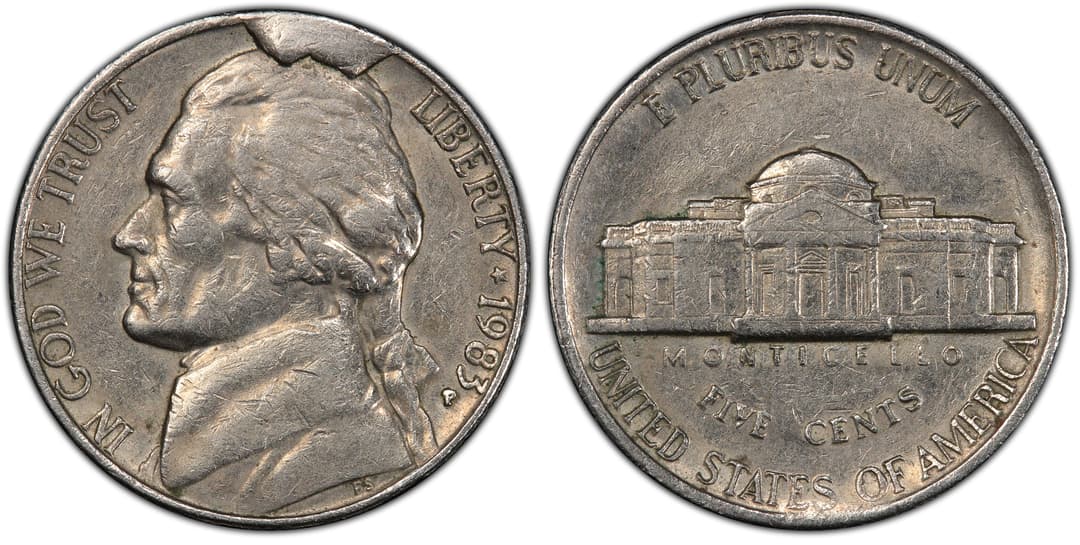
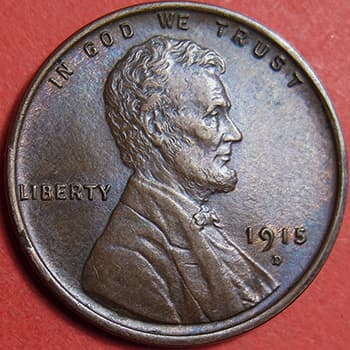
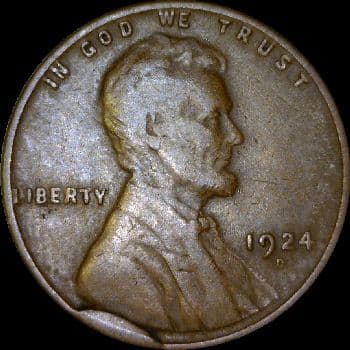
More Cud Errors
Collector Essentials
Tools for examining and preserving error coins and die varieties.
10x-20x Jeweler's Loupe
Essential for examining die varieties, doubled dies, and RPMs
Cherry Picker's Guide
The definitive reference for U.S. error coins and die varieties
2x2 Coin Flips & Holders
Protect and organize your finds with archival-quality holders
USB Digital Microscope
Capture detailed images for documentation and community submissions
As an Amazon Associate, NumisDex earns from qualifying purchases.