
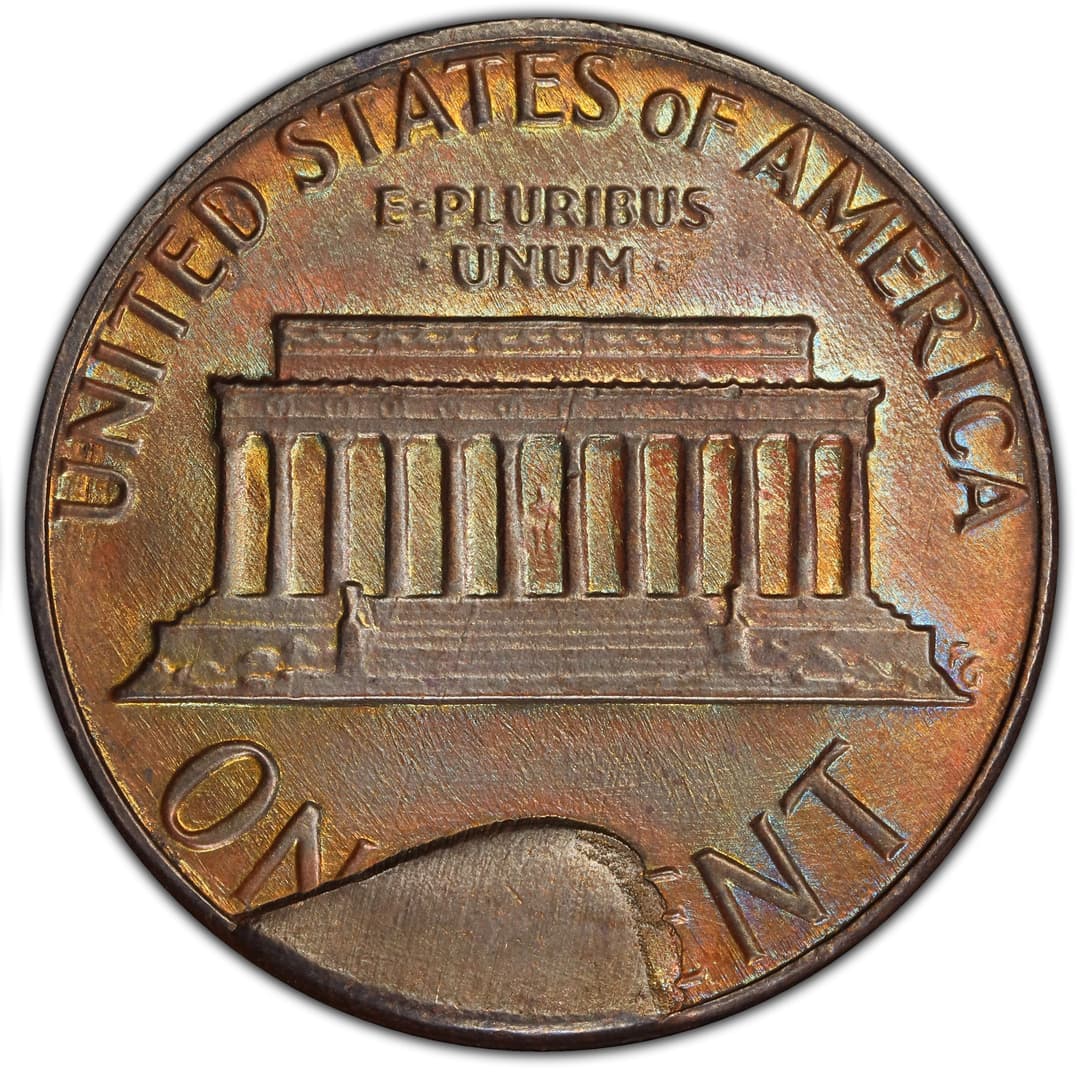
1800 Draped Bust Large Cent S-207 Reverse Cud
Error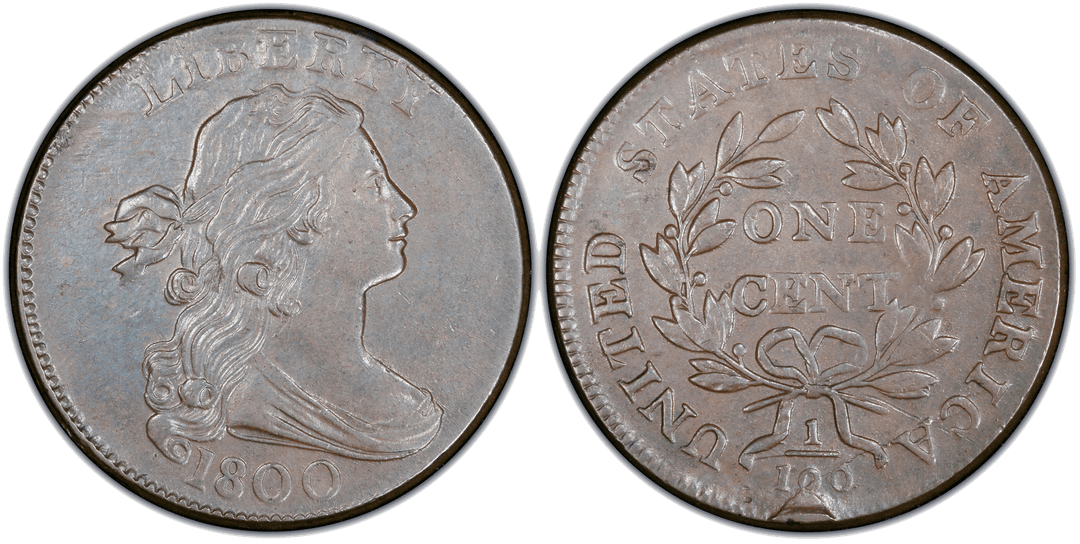
Description
Sheldon variety S-207 of the 1800 Draped Bust Large Cent displays a reverse cud die break — a raised, featureless area where a piece of the reverse die broke away from the rim just below the fraction "1/100," leaving a cavity that filled with metal during striking. A die crack runs from the cud eastward into the word "AMERICA," tracing the path of the fracture that preceded the die separation. Cuds form at the die rim when accumulated striking stress causes a section of the die edge to fracture and eventually separate; the resulting void on the die produces the characteristic raised blob on the struck coin. The Sheldon numbering system for large cents, developed by Dr. William Sheldon in his landmark 1949 reference "Early American Cents," assigns unique identifiers to each known die combination for the 1793-1814 period. The 1800 Draped Bust Cent was designed by Robert Scot after a drawing attributed to Gilbert Stuart, featuring Liberty with flowing hair on the obverse and a simple wreath on the reverse. These large copper cents measured approximately 29mm in diameter and weighed about 10.89 grams, and their production at the early Philadelphia Mint involved hand-operated screw presses that imposed significant mechanical stress on the dies. Cud die breaks on early copper cents are particularly valued by specialists in the early American copper series.
Attribution History
- Discovered by NumisDexDealer
- Sheldon S-207
Community & Reference
Related Errors
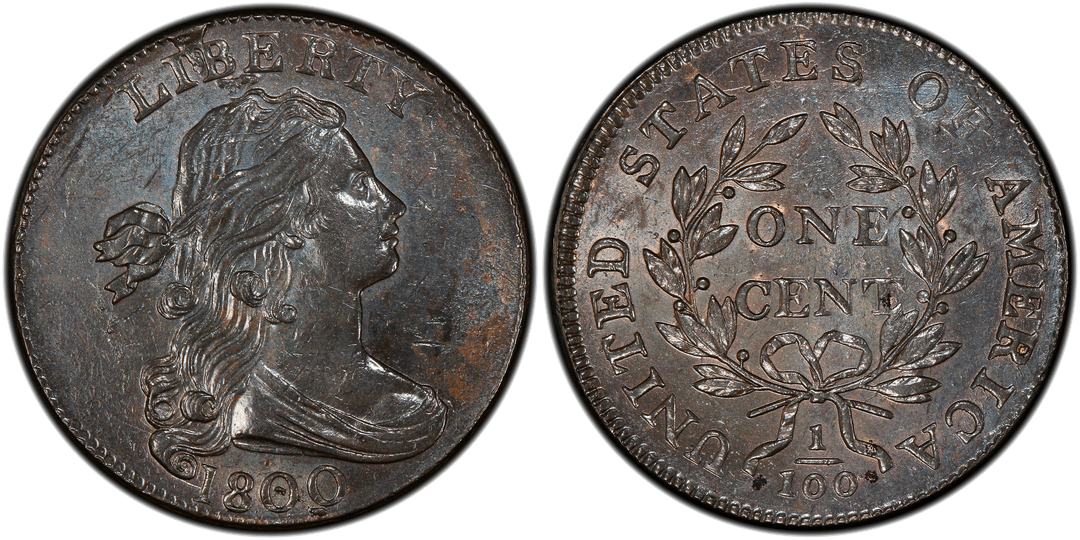
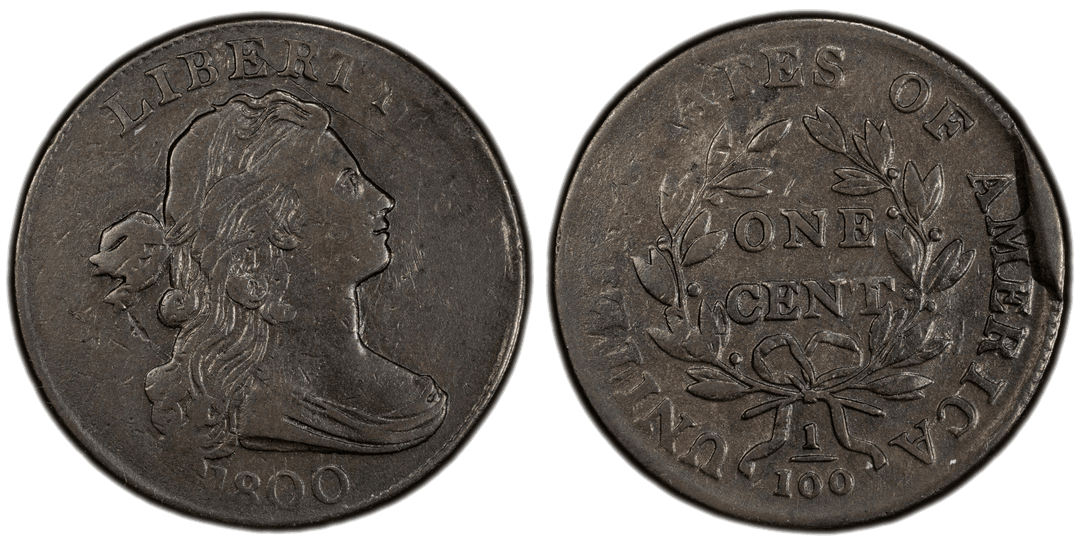
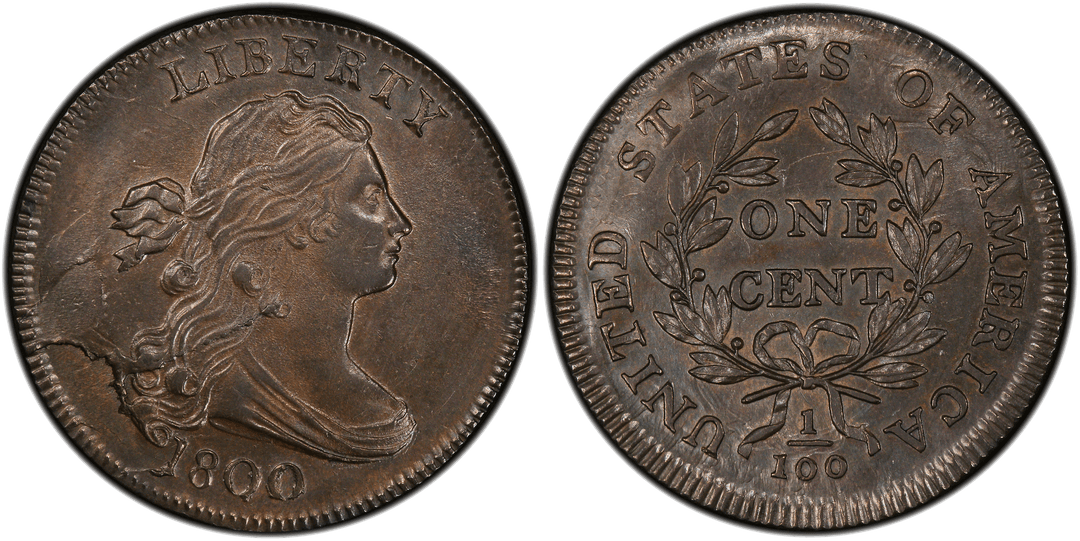
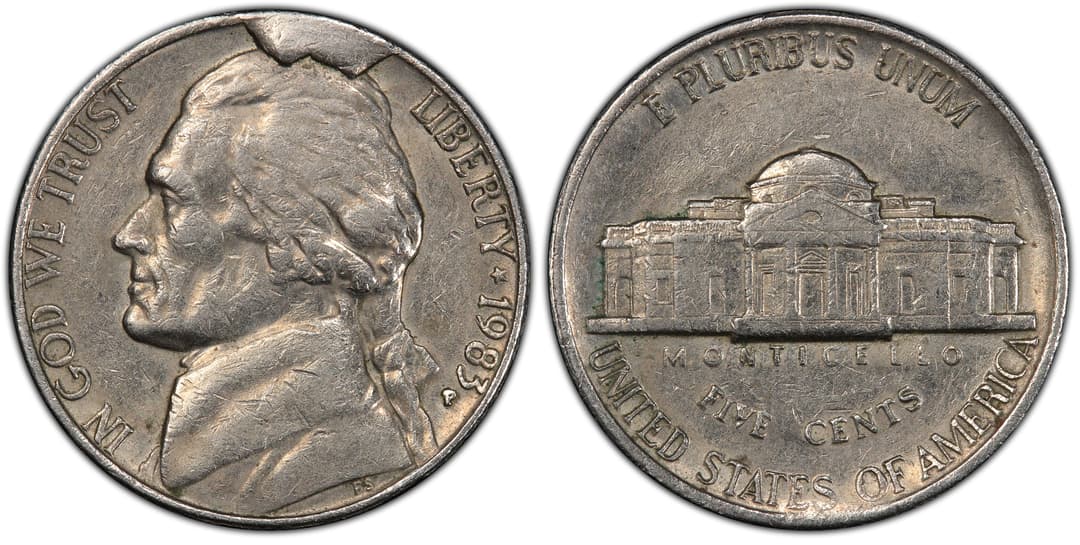
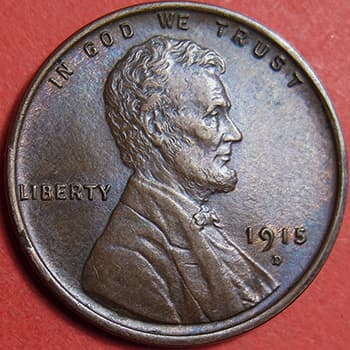
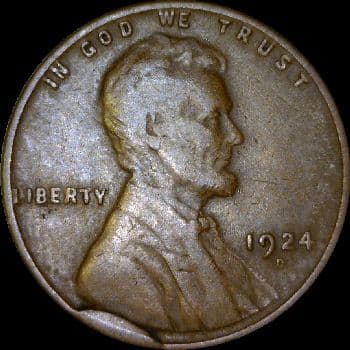
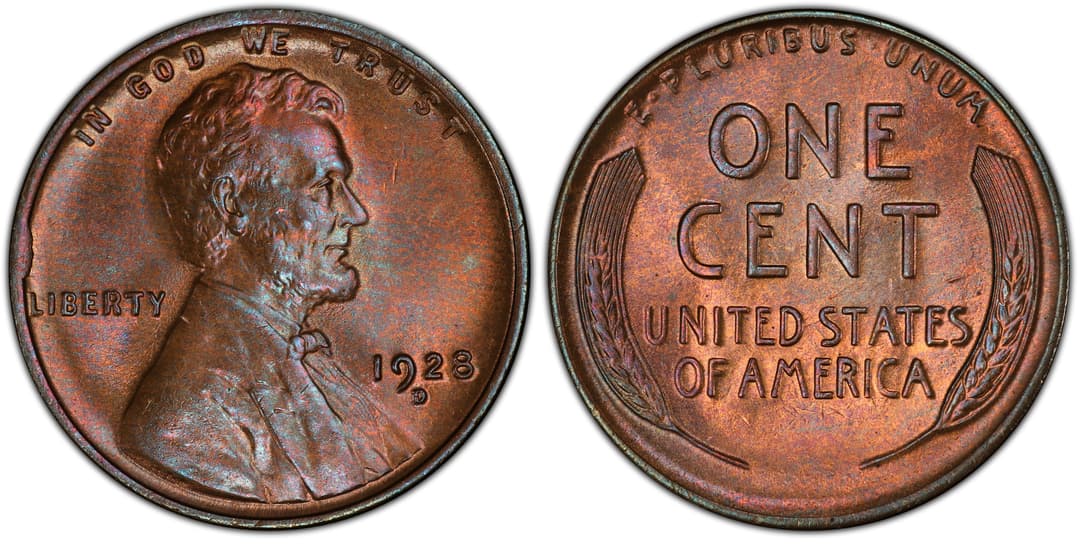
More Cud Errors
Collector Essentials
Tools for examining and preserving error coins and die varieties.
10x-20x Jeweler's Loupe
Essential for examining die varieties, doubled dies, and RPMs
Cherry Picker's Guide
The definitive reference for U.S. error coins and die varieties
2x2 Coin Flips & Holders
Protect and organize your finds with archival-quality holders
USB Digital Microscope
Capture detailed images for documentation and community submissions
As an Amazon Associate, NumisDex earns from qualifying purchases.