
CU-1c-1796-02 Cud
Error
Description
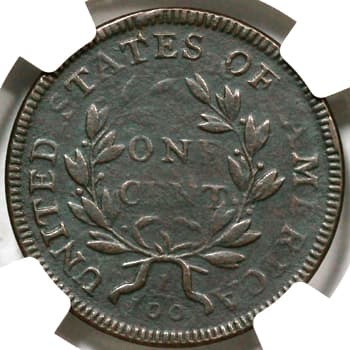
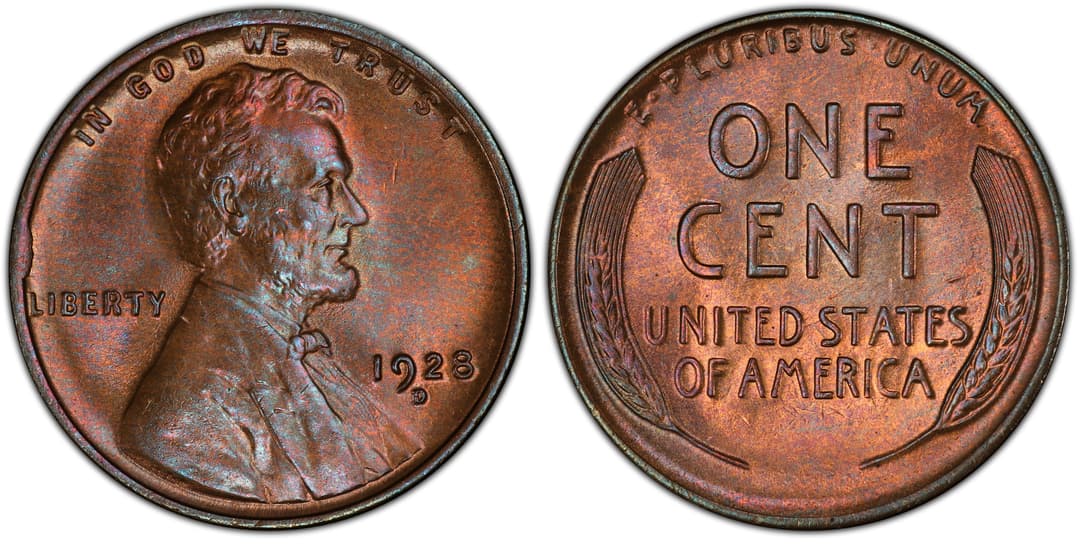
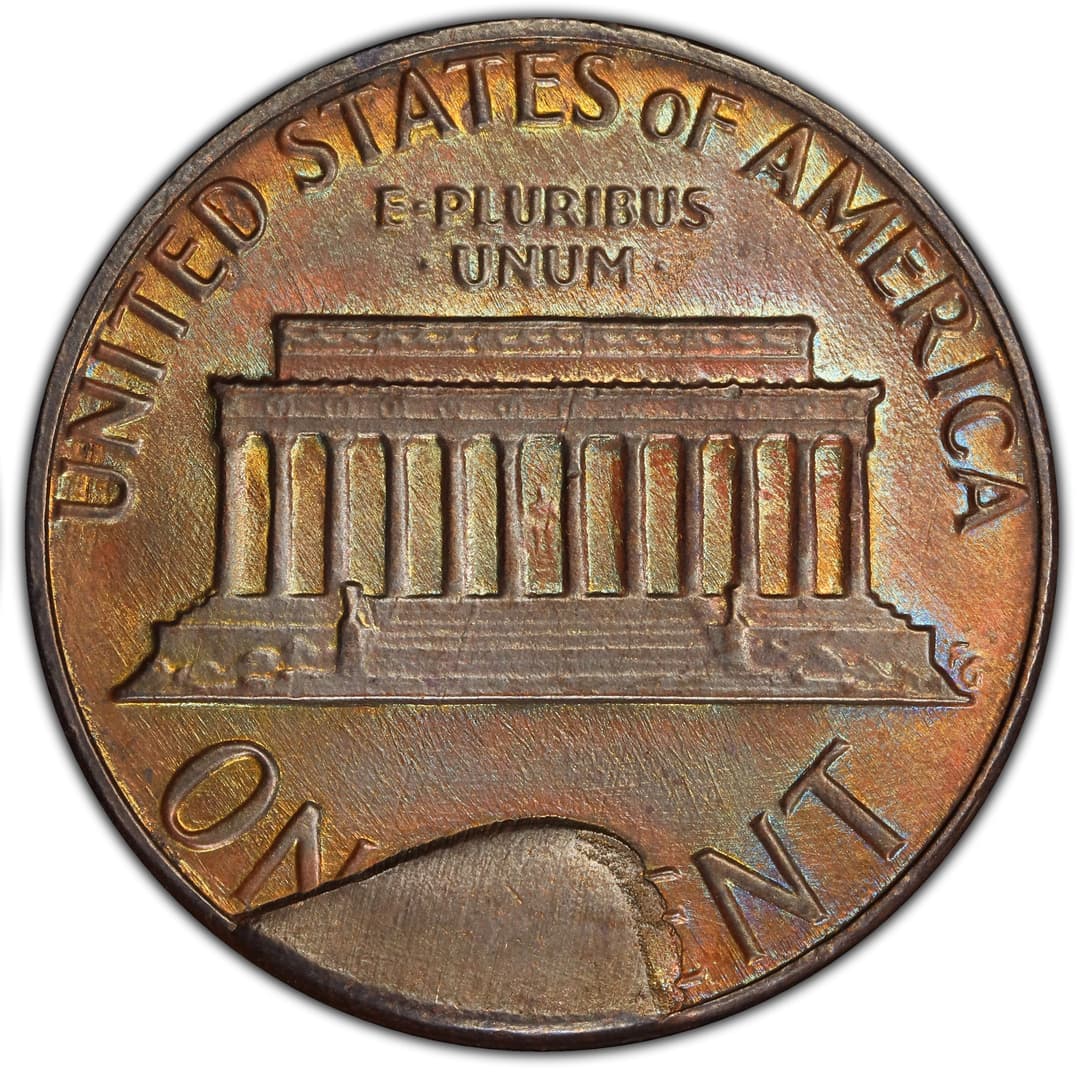
From the same die family as the famous 1796 Draped Bust Cent bearing the LIHERTY error — where an engraver punched an H instead of a B in LIBERTY on certain dies — this second cataloged cud documents die rim failure on one of the most storied dates in early American numismatics. A cud forms when a piece of the die rim fractures and separates, leaving a cavity that fills with metal during striking to produce a raised featureless mass at the coin's edge. The 1796 Draped Bust Cent, designed by Robert Scot after a Gilbert Stuart drawing, was struck at the Philadelphia Mint on hand-operated screw presses using copper planchets that subjected the dies to heavy mechanical stress. The LIHERTY misspelling is among the most celebrated die engraving errors in all of U.S. coinage, where the distinctive H stands in place of the expected B and has fascinated collectors for over two centuries. Cuds on early copper cents are genuinely rare survivors because the small mintages and two-plus centuries of attrition have reduced the surviving population. Cataloged by Cuds on Coins, this variety preserves evidence of die deterioration during the earliest years of the American Mint.
Attribution History
- Discovered by Friscomint1793 on eBay
- Expert attribution by Cuds on Coins
External References
Community & Reference
Related Errors
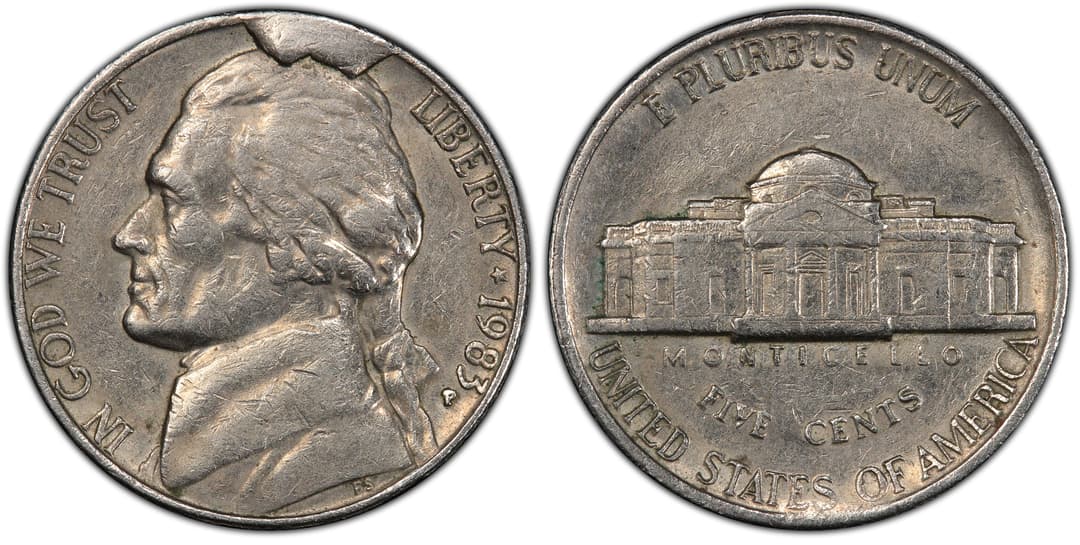
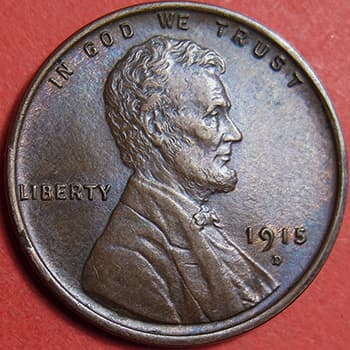
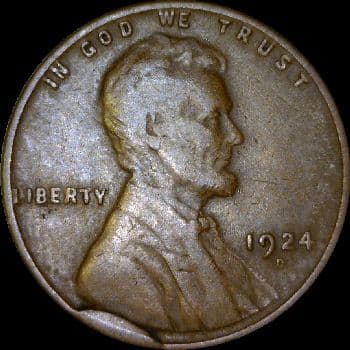
More Cud Errors
Collector Essentials
Tools for examining and preserving error coins and die varieties.
10x-20x Jeweler's Loupe
Essential for examining die varieties, doubled dies, and RPMs
Cherry Picker's Guide
The definitive reference for U.S. error coins and die varieties
2x2 Coin Flips & Holders
Protect and organize your finds with archival-quality holders
USB Digital Microscope
Capture detailed images for documentation and community submissions
As an Amazon Associate, NumisDex earns from qualifying purchases.