
1877 Indian Head Cent: How to Spot a Fake
The 1877 Indian Head: A Key Date Under Siege
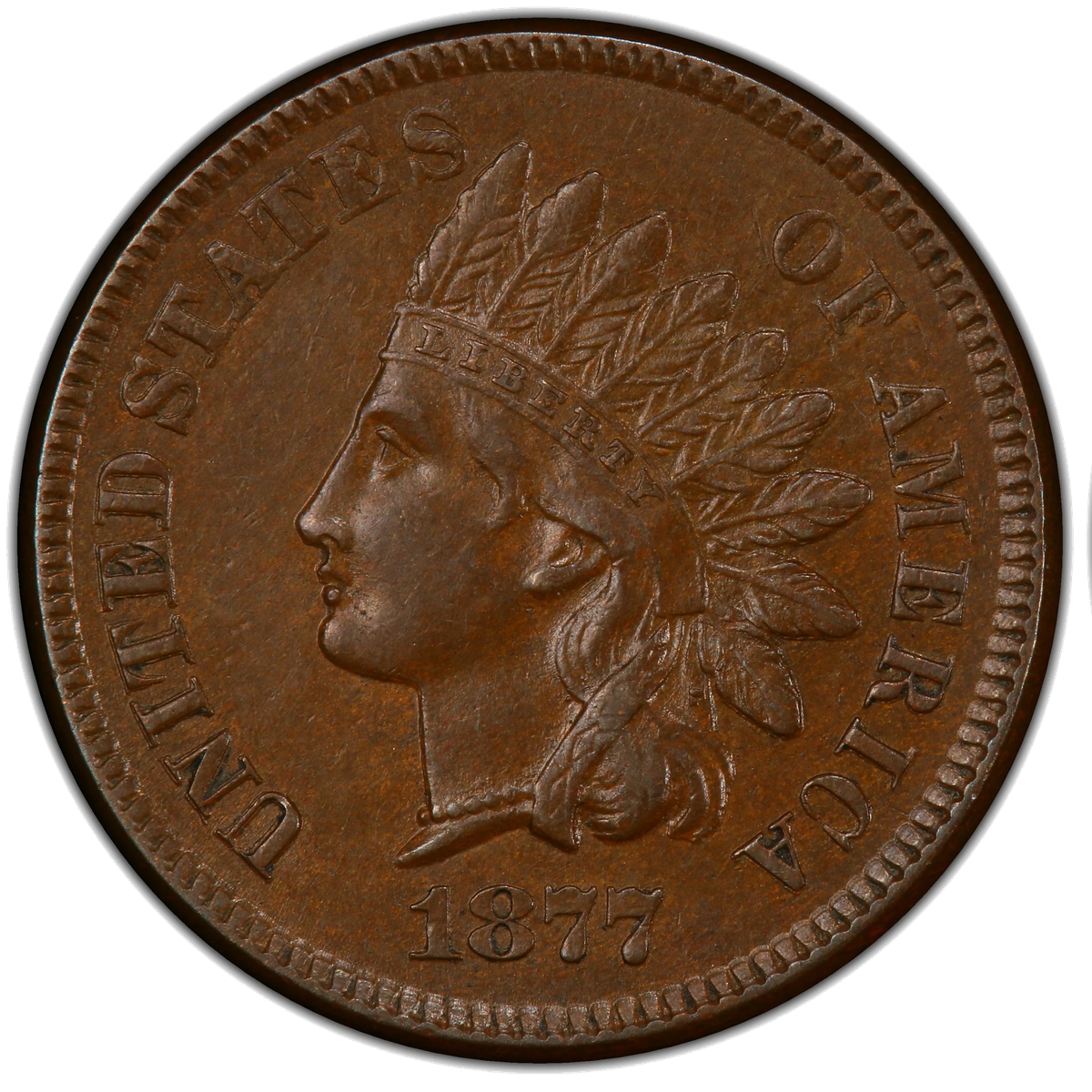
The 1877 Indian Head cent has the lowest mintage of the regular-issue Indian Head cent series at 852,500. Values range from approximately $800 in Good condition to well over $10,000 in uncirculated grades. This high value and collector demand make it a frequent target for counterfeiters.
The Primary Threat: Struck Counterfeits
Unlike some key-date Lincoln cents where altered dates are the main concern, the 1877 Indian Head cent is primarily threatened by struck counterfeits — coins produced from counterfeit dies, often overseas. These fakes are manufactured to look like genuine 1877 cents from scratch.
How to Identify Struck Counterfeits
1. Weight and Dimensions
A genuine 1877 Indian Head cent should weigh 3.11 grams with a diameter of 19mm. Struck counterfeits often deviate slightly from these specifications. A precision digital scale (0.01g resolution) is one of the simplest tools for initial screening.
2. Detail Quality
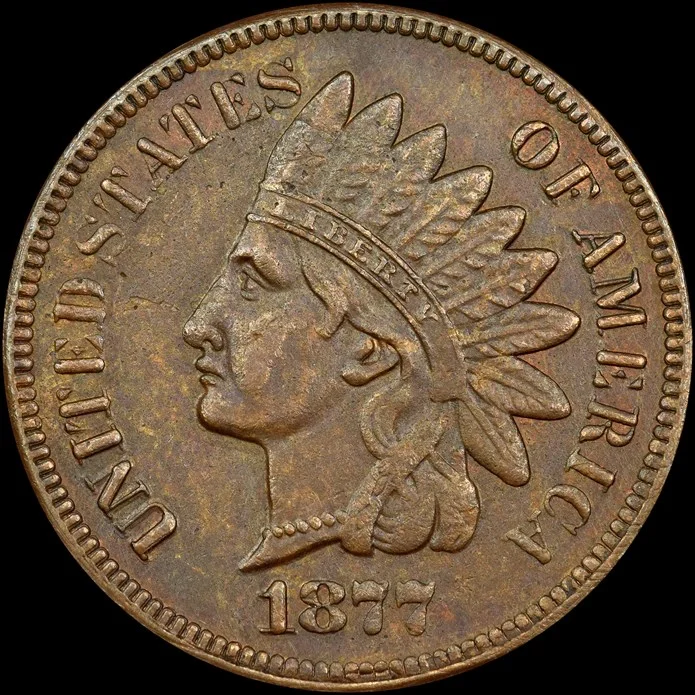
Counterfeit dies are typically produced by casting or spark erosion from a genuine coin, which means every generation of the copy loses detail. Look for:
- Mushy or soft lettering — Letters that lack the crisp, sharp edges of genuine Mint production
- Weak feather details — The feathers in the headdress should show sharp, distinct lines on a well-preserved genuine coin. Counterfeits often show softer, less defined feather barbs.
- Flat or lifeless fields — Genuine coins have a characteristic luster and surface quality from the Mint's production process. Counterfeits often look "dead" or artificially bright.
3. Edge and Rim Examination
Examine the edge for a casting seam — a faint line running around the edge where two halves of a casting mold met. Also check whether the rim is consistent in height and width all the way around. Genuine struck coins have uniform rims; poorly made counterfeits may show irregularities.
4. Magnetic Test
A genuine 1877 Indian Head cent is bronze (non-magnetic). Some counterfeits are struck on ferrous (iron-based) planchets. If your coin is attracted to a magnet, it's a fake.
5. Die Diagnostics
As with all key dates, professional authenticators compare the coin's die characteristics against known genuine die pairings. Struck counterfeits will not match any genuine die pairing. This is the most definitive authentication method and requires professional evaluation.
Professional authentication through PCGS or NGC is essential before purchasing any 1877 Indian Head cent for a significant sum.
0 Replies
Related Threads
- Mirror-Clone Grading Websites: The Newest Counterfeit Scam Targeting Coin Collectors0 replies · 3mo ago
- The Rise of Chinese Counterfeit Coins: What Collectors Need to Know About the Scale of the Problem0 replies · 3mo ago
- Counterfeit Coin Slabs Are Getting Dangerously Good — How to Spot Fake PCGS and NGC Holders in 20260 replies · 3mo ago
- How to Read PCGS and NGC Holders — and Spot a Counterfeit Slab0 replies · 3mo ago
- 1804 Dollar and Other "Too Good to Be True" Coins: How to Recognize Replicas0 replies · 3mo ago