
SKH-1c-2016-15 Spiked Head
Error
Description
Fifteenth spiked head variety in the 2016-P Lincoln Shield cent census, SKH-1c-2016-15 documents another instance of obverse die crack deterioration within a year that has produced a substantial catalog of portrait-area fracture varieties. Philadelphia's 2016 cent production of approximately 4.67 billion pieces ranks among the highest annual outputs in cent history, generating an enormous die consumption rate that translates directly into more opportunities for die crack varieties to develop. The spiked head mechanism is a well-understood consequence of die fatigue: the incuse areas of the Lincoln portrait die contain narrow ridges of tool steel that separate design elements such as individual hair strands, the brow line, and the profile contour. Under repeated impact from the copper-plated zinc planchets, these ridges eventually crack, and the resulting gap fills with metal during striking to produce a raised spine — the spike — on the finished coin. Each working die develops its crack at a unique location determined by that particular die's metallurgical characteristics, the specific stresses it experienced during hubbing and heat treatment, and the cumulative striking load it absorbed during service. Fifteen spiked heads for 2016-P represents a moderate-to-high count that reflects both the enormous production volume and the active community of collectors examining Shield cents for varieties. Victor David Brenner's obverse portrait, paired with Lyle Okerlund's Union Shield reverse featuring the bold shield design with thirteen horizontal stripes, constitutes the current Lincoln cent format that has been in production since 2010. Cataloged by the Cuds on Coins service with no known cross-references, SKH-1c-2016-15 requires comparison of the spike's position, angle, and length against published diagnostic images for positive attribution. Standard 10-15x magnification reveals the spike as a thin metallic protrusion extending beyond Lincoln's normal profile outline.
Attribution History
- Discovered by Nicholas Hurley
- Cross reference: none. 12/10/2018.
- Expert attribution by Cuds on Coins
External References
Community & Reference
Related Errors
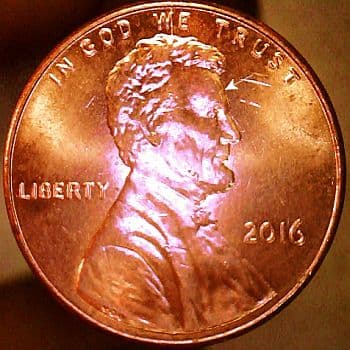


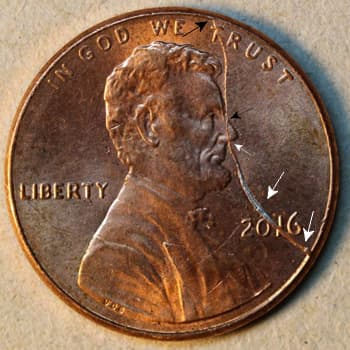
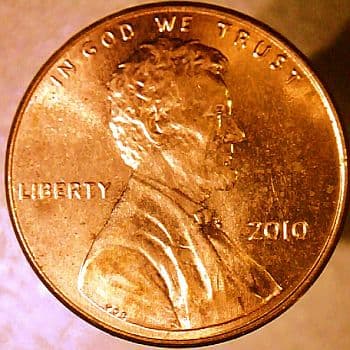
More Spiked Head Errors
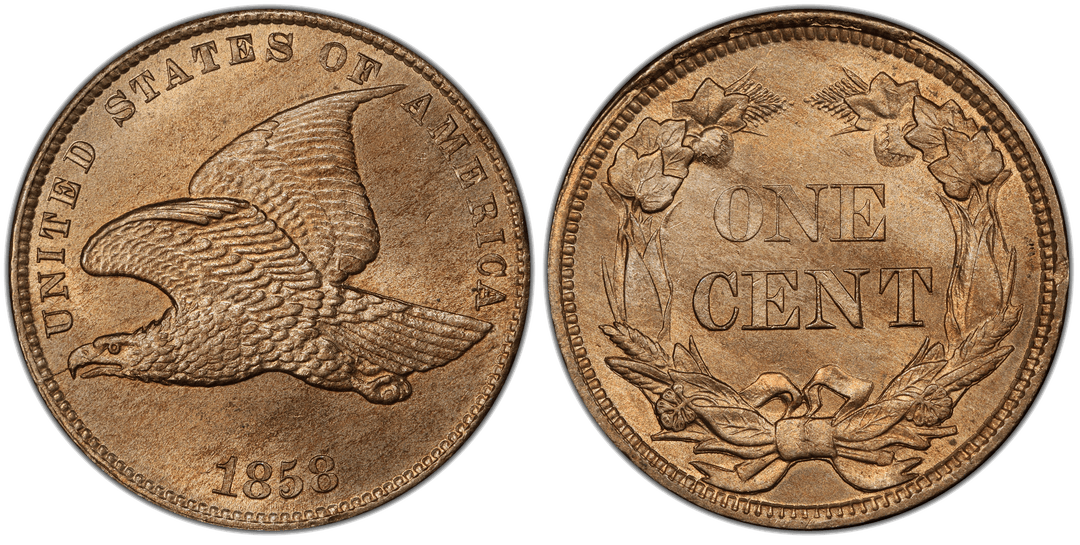
1858 Flying Eagle Cent (Small Letters) Spiked Head
Spiked Head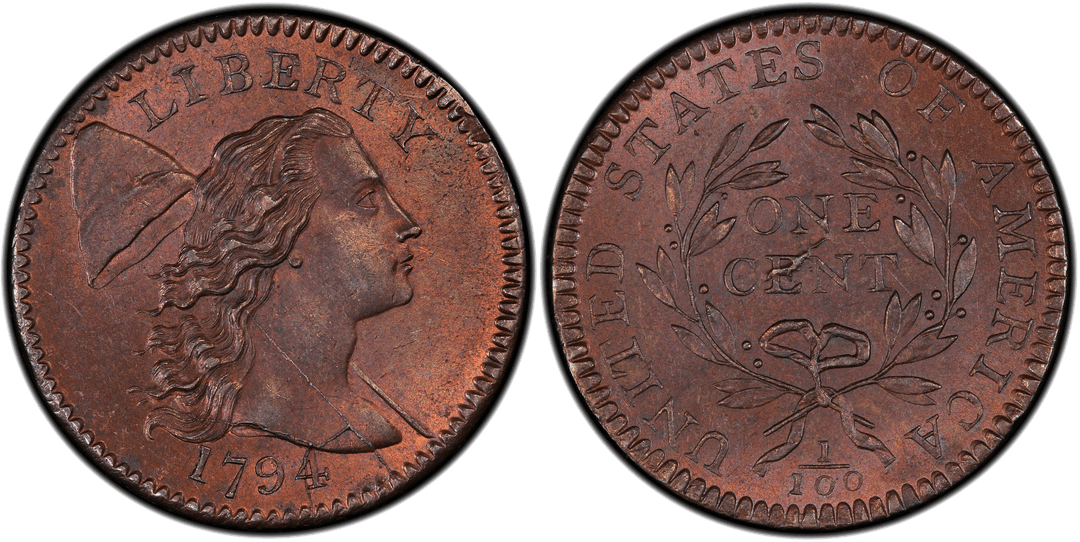
1794 Liberty Cap Large Cent (Head of 1794) Obverse Spiked Head
Spiked Head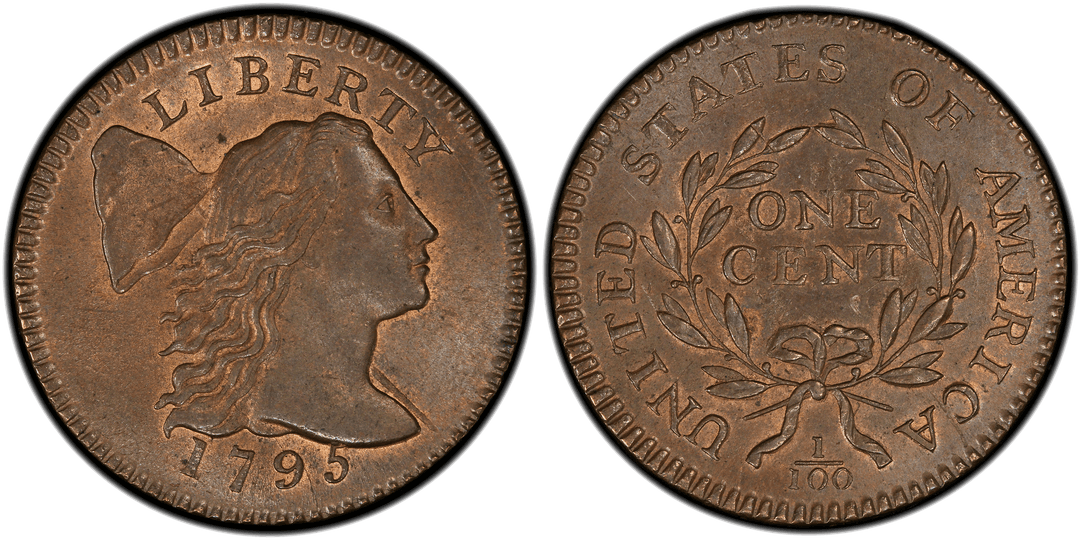
1795 Liberty Cap Large Cent (Lettered Edge) Obverse Spiked Head
Spiked Head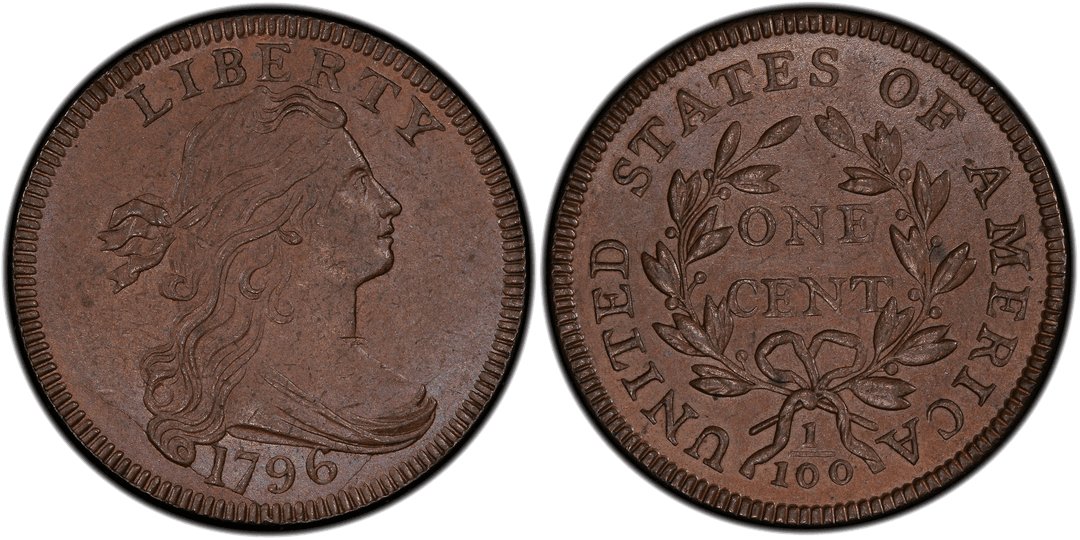
1796 Draped Bust Large Cent (Reverse of 1797) Obverse Spiked Head
Spiked Head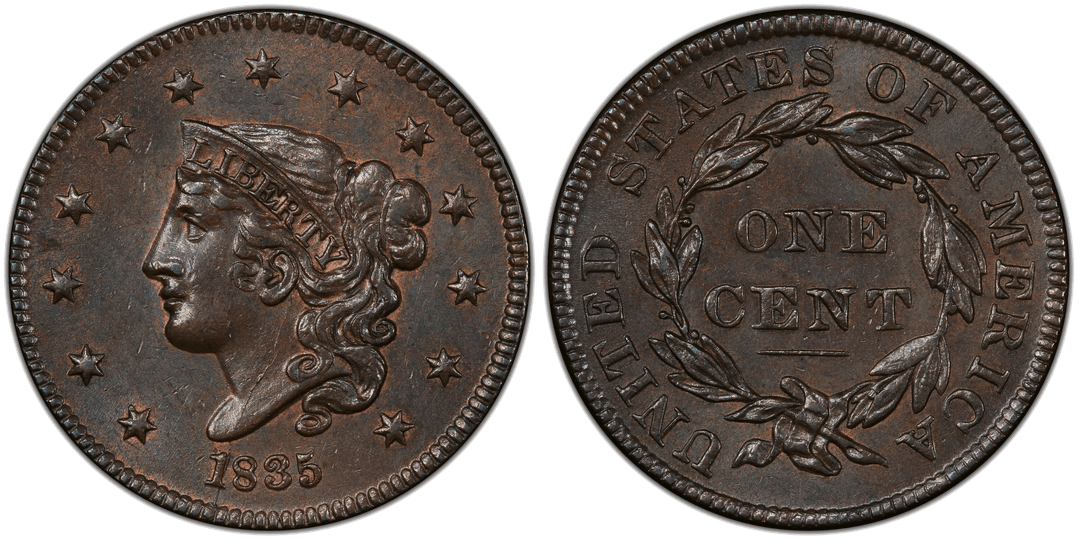
1835 Matron Head Large Cent (Head of 1836) N-8 Obverse Spiked Head
Spiked HeadCollector Essentials
Tools for examining and preserving error coins and die varieties.
10x-20x Jeweler's Loupe
Essential for examining die varieties, doubled dies, and RPMs
Cherry Picker's Guide
The definitive reference for U.S. error coins and die varieties
2x2 Coin Flips & Holders
Protect and organize your finds with archival-quality holders
USB Digital Microscope
Capture detailed images for documentation and community submissions
As an Amazon Associate, NumisDex earns from qualifying purchases.