
1979 Doubled Die Reverse WDDR-001
Error
Description
Bearing the primary Wexler reverse doubled die designation for the 1979 Washington quarter, WDDR-001 exhibits a close spread toward the center on the upper letters of UNITED and slightly on the upper letters of AMERICA on John Flanagan's heraldic eagle reverse. The Wexler Team noted an important complication: the reverse also displays strong mechanical doubling that coexists with the genuine hub-doubled elements, making attribution particularly challenging because the two phenomena produce superficially similar visual effects. Mechanical doubling — also called strike doubling or shelf doubling — results from die bounce or planchet shift during the striking process and produces flat, shelf-like secondary images, while genuine hub doubling creates rounded, fully formed secondary impressions with their own three-dimensional relief. On WDDR-001, the strong mechanical doubling overlays the genuine doubled die characteristics, requiring experienced examination to separate the two effects. Philadelphia struck approximately 515.7 million quarters in 1979, a substantial mintage in the copper-nickel clad era. No significant obverse or reverse die markers beyond the doubling phenomena were documented, leaving attribution dependent on the collector's ability to identify genuine hub doubling within the context of coexisting mechanical doubling. The close spread designation indicates the genuine doubled die component produces modest displacement — the primary and secondary hub impressions nearly overlap on the upper portions of UNITED and AMERICA, creating thickened letter strokes rather than dramatically separated images. This subtlety, combined with the confounding mechanical doubling, explains why WDDR-001 requires particular expertise to authenticate. Collectors should examine the upper strokes of the U, N, I, T, E, D letters under 20x magnification, looking for rounded secondary impressions with distinct three-dimensional form that distinguish genuine hub doubling from the flat shelf characteristic of mechanical doubling.
Attribution History
- Discovered by Whaden Curtis Cross References: None known Comments: The reverse also shows strong mechanical doubling which makes it difficult to find the genuine doubled die doubling.
- None known Comments: The reverse also shows strong mechanical doubling which makes it difficult to find the genuine doubled die doubling.; Wexler Variety ID: 1979 25¢ WDDR-001
- Expert attribution by Wexler Team
External References
Community & Reference
More Doubled Die Reverse Errors
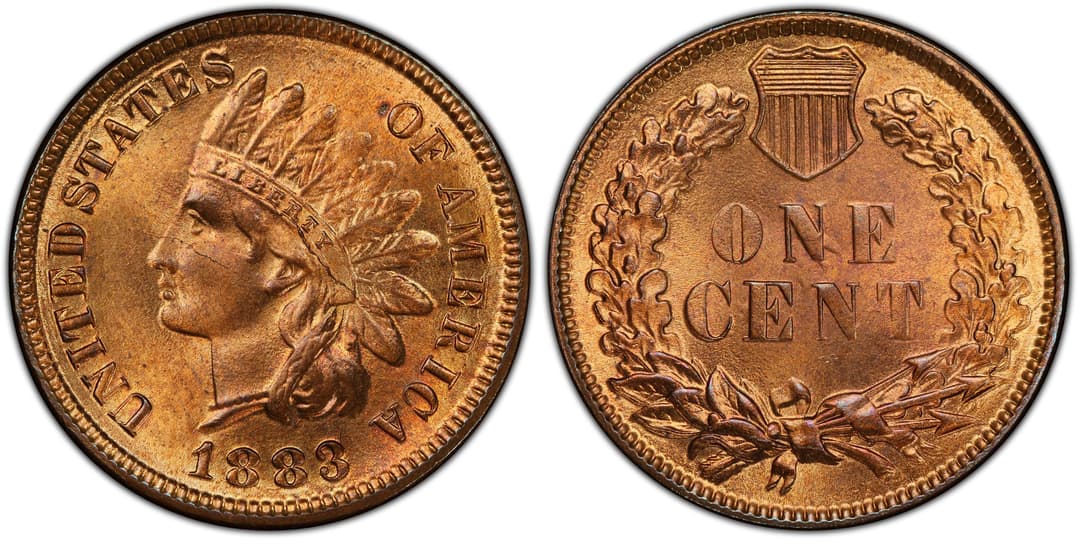
1883 Doubled Die Reverse WDDR-001
Doubled Die Reverse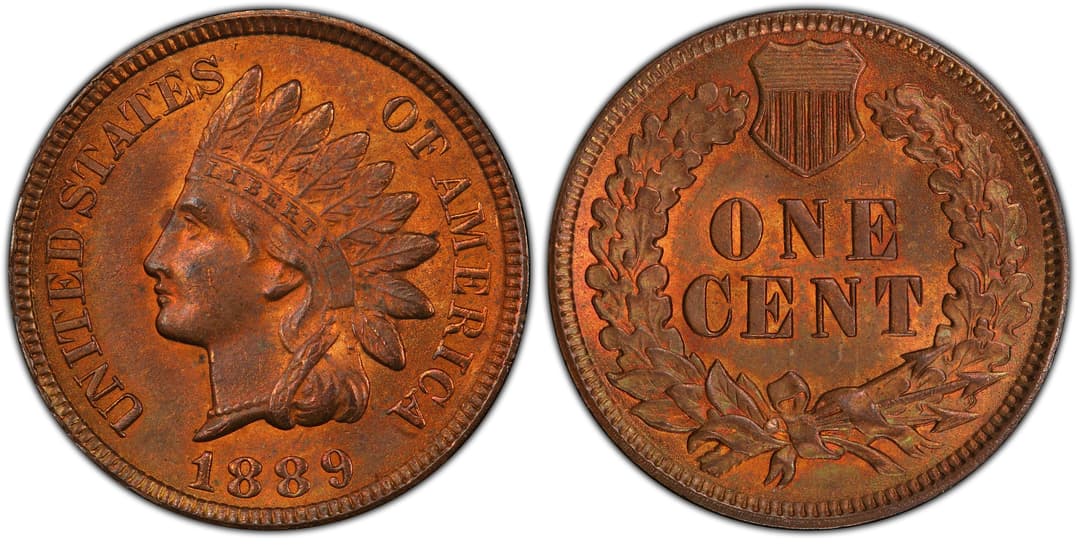
1889 Doubled Die Reverse WDDR-001
Doubled Die Reverse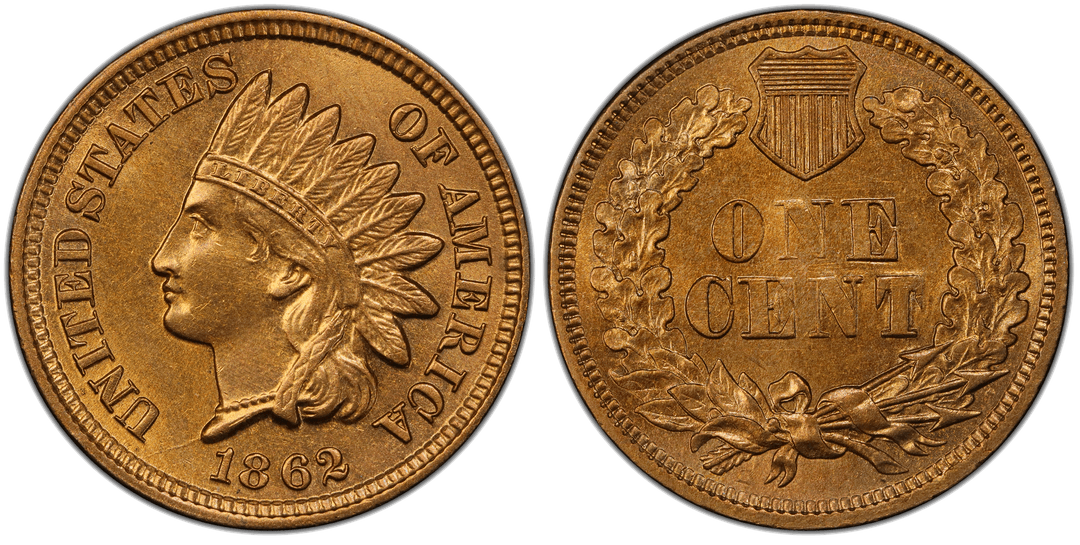
1862 Indian Head Cent Doubled Die Reverse FS-801 Snow-5
Doubled Die Reverse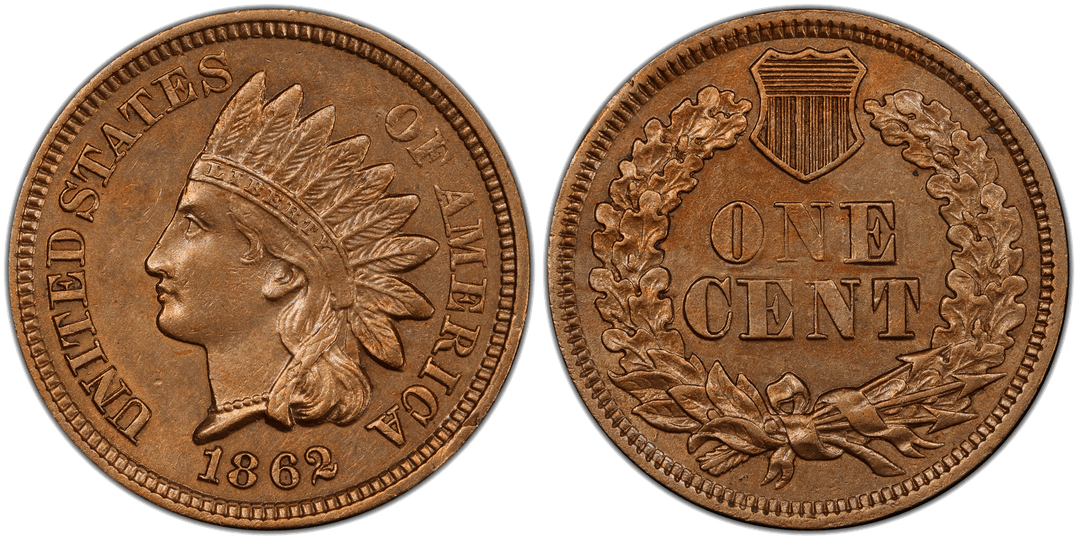
1862 Indian Head Cent Doubled Die Reverse FS-802 Snow-6
Doubled Die Reverse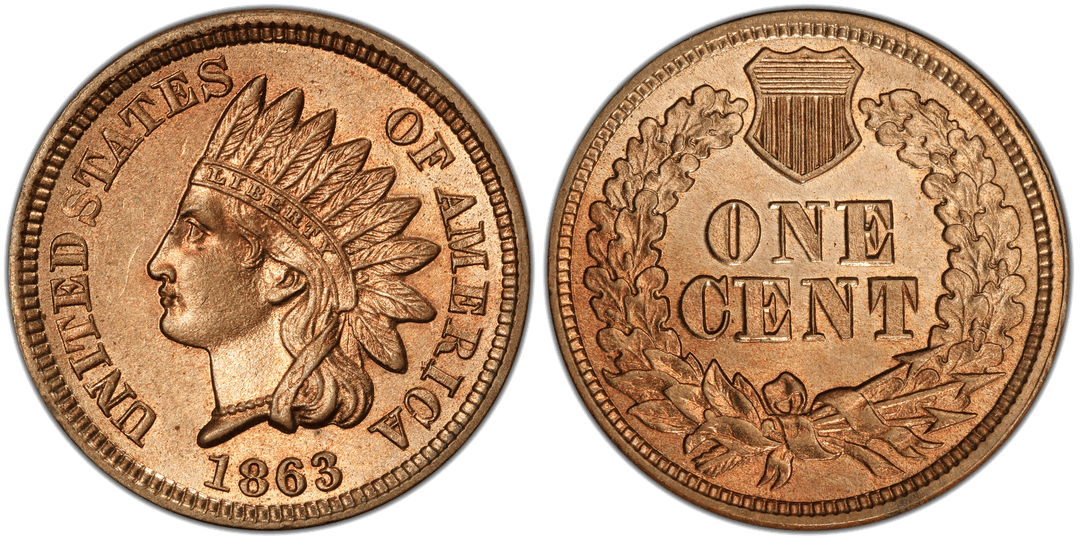
1863 Indian Head Cent Doubled Die Reverse FS-801 Snow-10
Doubled Die ReverseCollector Essentials
Tools for examining and preserving error coins and die varieties.
10x-20x Jeweler's Loupe
Essential for examining die varieties, doubled dies, and RPMs
Cherry Picker's Guide
The definitive reference for U.S. error coins and die varieties
2x2 Coin Flips & Holders
Protect and organize your finds with archival-quality holders
USB Digital Microscope
Capture detailed images for documentation and community submissions
As an Amazon Associate, NumisDex earns from qualifying purchases.