
(1652) New England Sixpence
Strike Type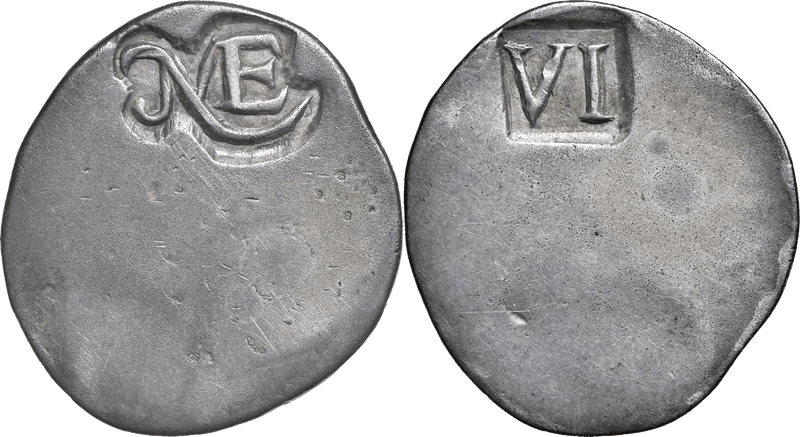
Coin Details
Description
Bearing only the stamped letters "NE" on the obverse and "VI" (six pence) on the reverse, the New England Sixpence is among the most historically significant and rarest American colonial coins. Authorized by the Massachusetts Bay Colony in 1652 and struck in Boston by mintmaster John Hull and partner Robert Sanderson from dies cut by Joseph Jenks of Lynn, Massachusetts, it represents one of the first silver coins produced in the English colonies. Fewer than ten genuine examples survive (Noe variety 1-A). Struck in sterling silver (.925) at a target weight of 36 grains (approximately 2.33 grams), the NE coinage was authorized by the Massachusetts General Court on May 27, 1652, responding to chronic shortage of reliable small-denomination silver. The stark simplicity — mere letter punches on plain planchets — was both feature and flaw: while allowing rapid production, it left coins vulnerable to counterfeiting and clipping, prompting the colony to adopt more elaborate Oak Tree and Pine Tree designs. The 1652 date was maintained on Massachusetts coinage for decades as a legal fiction to maintain the claim that coinage was authorized during the Commonwealth period. The NE Sixpence stands alongside the Shilling and Threepence as the earliest American silver coins.
External References
Error Varieties
No listings found
This category doesn't have any child listings yet.
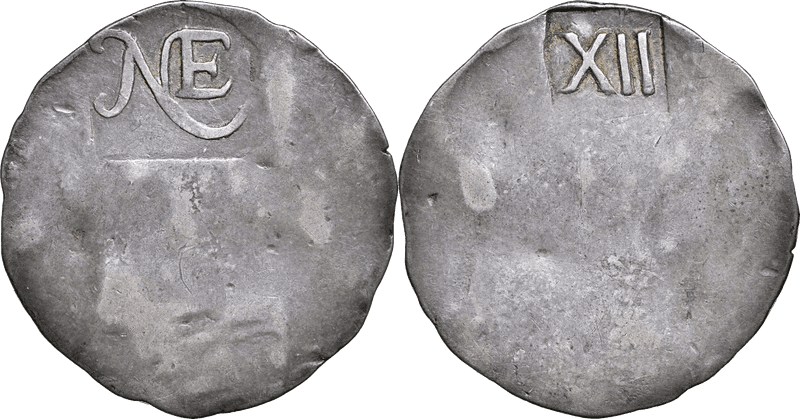
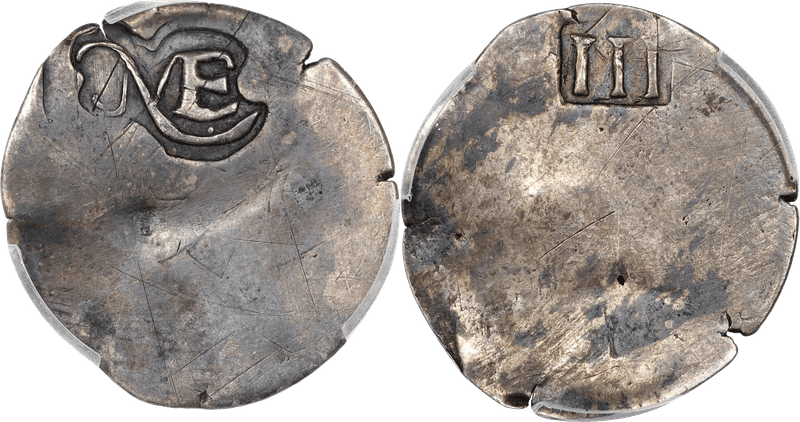
Other Strike Types in This Series
Collector Essentials
Tools and references for building and protecting your coin collection.
10x-20x Jeweler's Loupe
A must-have for examining coin details, mint marks, and surface quality
Red Book — Guide to U.S. Coins
The essential annual reference for U.S. coin values, history, and mintages
Coin Albums & Storage
Archival-quality albums and holders to protect and display your collection
USB Digital Microscope
Capture detailed images for documentation and community submissions
As an Amazon Associate, NumisDex earns from qualifying purchases.